
Deadly Sierra avalanche set up by dry January ahead of ferocious winter storm
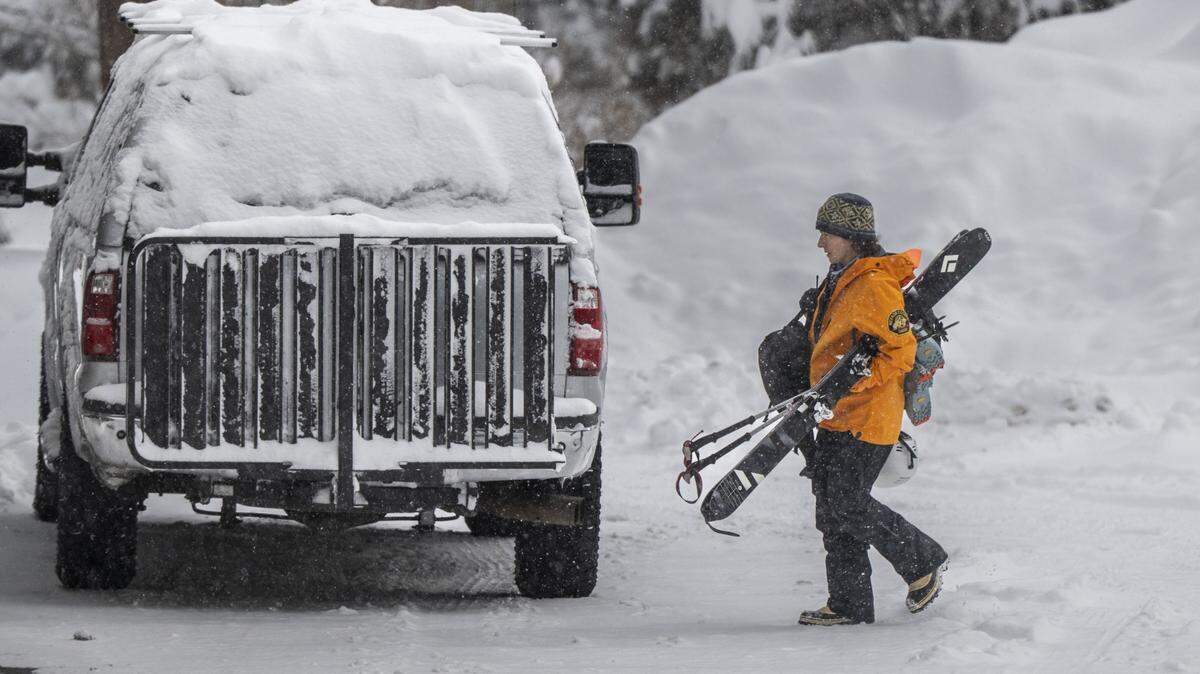
Conditions that primed the Sierra avalanche that left eight skiers dead and one missing in deep snow near Lake Tahoe were set in motion weeks ago and intensified with this week’s fierce winter storm, a meteorologist said Wednesday.
Six of the skiers were rescued from the Tahoe backcountry near Castle Peak late Tuesday after ski patrols worked for hours in the teeth of an unusually brutal winter storm to reach them. Two of the rescued were healing at a hospital while the search to recover the other backcountry skiers resumed Wednesday.
An 11 a.m. news conference at the sheriff’s office in Grass Valley detailed the toll. Sheriff Shannan Moon said eight skiers were confirmed dead and one remained missing.
“Our mission went from a rescue to a recovery,” Moon said.
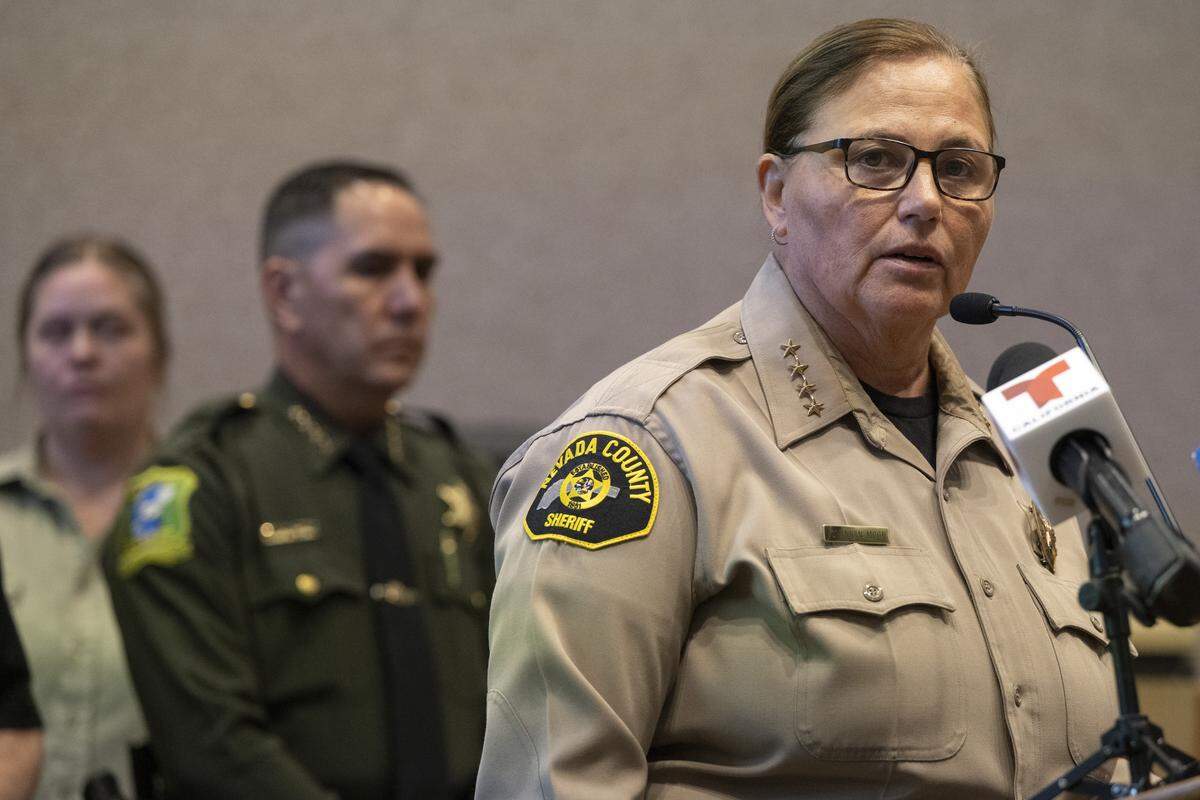
Moon said the nine people swept up in the avalanche included four guides and five clients. Seven were men and two were women, she said. Six survivors — one guide and five clients — were rescued. Eight people were confirmed dead, and one remained missing Wednesday.
The group was part of a guided three-day backcountry trip led by Blackbird Mountain Guides of Truckee. Fifteen people — four guides and 11 clients — were on the outing after one person canceled, officials said. One guide and five clients survived. Two were injured and unable to walk; one was released from a hospital and the other remained hospitalized with injuries described as not life-threatening.
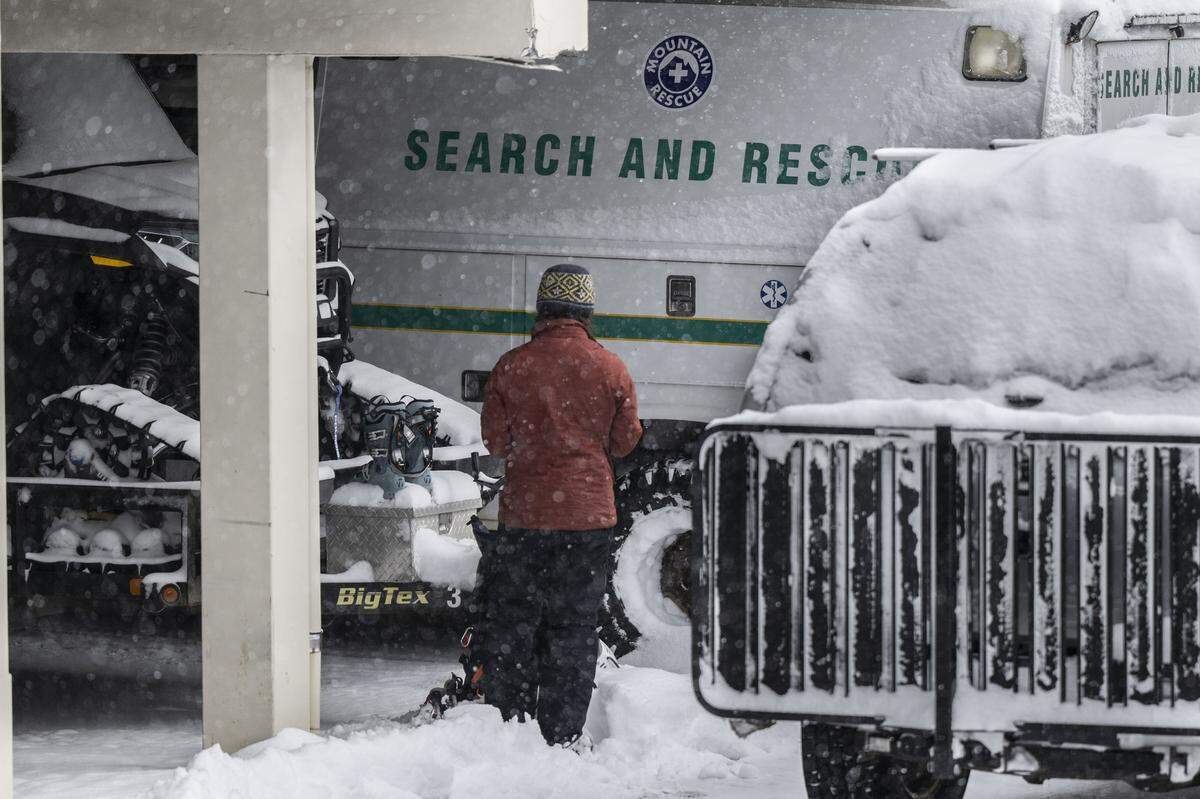
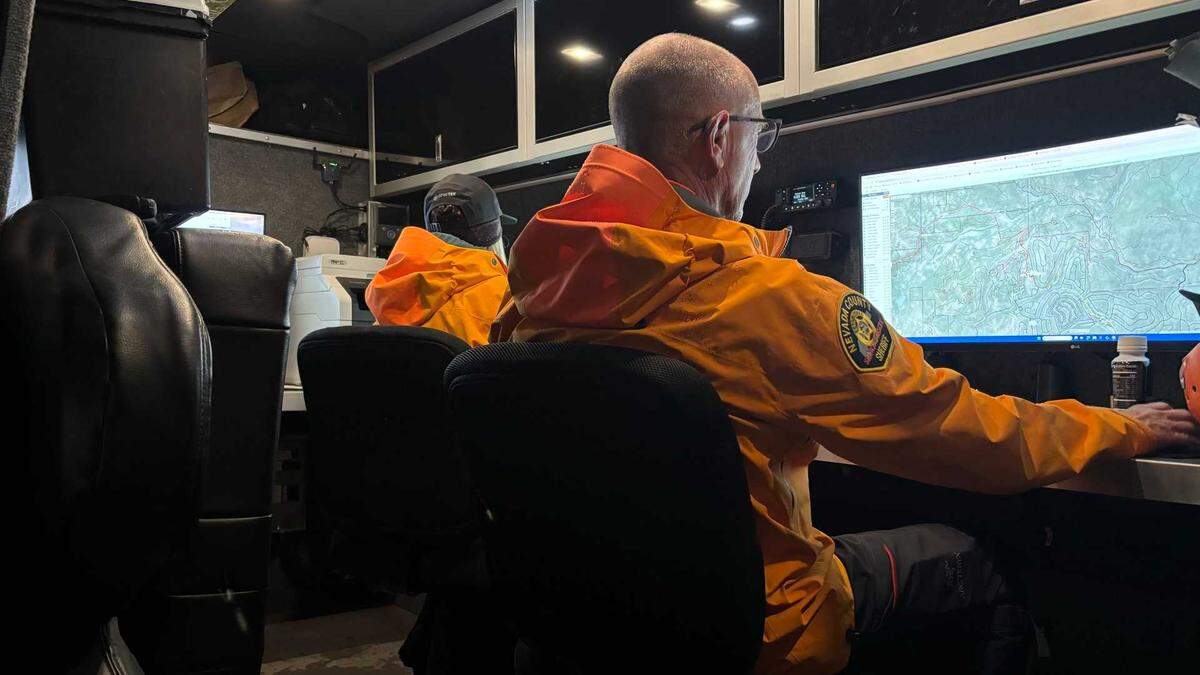
Survivors sheltered in place and located at least three victims before rescuers reached the remote site shortly after 5:30 p.m. About 50 rescuers from multiple agencies deployed by snowcat and skis as whiteout conditions and gale-force winds limited access.
The storm packed a devastating punch, but Brian Drong, a meteorologist with the National Weather Service in Reno, traced Tuesday’s slide to a long, dry January.
The dry start to the year created a dense, icy Sierra snowpack that carried considerable water weight, Drong said. A later storm dropped a weak layer of lighter snow that sat atop — but did not bond with — the heavier base below.
Bluebird skies greeted skiers last weekend, but forecasters already saw what was coming: a ferocious, dayslong winter storm expected to dump multiple feet of snow on the region, driven by winds up to 70 mph.
The Sierra Avalanche Center in Truckee issued a backcountry avalanche warning for the greater Lake Tahoe area from 5 a.m. Tuesday through 5 a.m. Wednesday, warning of very dangerous conditions and the “very likely” possibility of human-triggered avalanches large enough to bury or injure people.
“Heavy, wet snow tends not to blow around. Fluffy snow tends to blow around and collect,” Drong said. “Wherever the wind stops blowing, snow tends to collect. There’s a lot of snow getting moved and displaced.”
It was a recipe for dangerous avalanche conditions.
Chris Feutrier, forest supervisor of the U.S. Forest Service’s Tahoe National Forest, said during a news conference in Grass Valley that the avalanche path stretched roughly the length of a football field and was triggered when a “persistent weak layer” collapsed under the weight of new snow. The slide occurred about a mile from another avalanche reported in early January in the Castle Peak area, officials said.
“We were seeing pretty incredible snow totals from (Tuesday) morning to this morning,” Drong said Wednesday. “Very intense, more than an inch an hour — really intense snowfall rates.”
Combined with fierce winds, the unstable snow spelled disaster.
If the snowfall had stretched across two or three days, the snowpack might have had more time to stabilize, Drong said. Instead, heavy snow accumulated rapidly, adding stress hour by hour until the slope failed.
A weak layer remains buried beneath roughly three more feet of fresh snow in the Castle Peak area, Feutrier said, keeping avalanche danger high.
The danger persisted Wednesday for search crews navigating rugged, ungroomed terrain near the Pacific Crest Trail. An avalanche warning remained in effect for the Lake Tahoe area until 5 a.m. Thursday.
“It’s not a resource issue as we speak,” Moon said. “It is the conditions — weather conditions and safety conditions for our response teams.”
.JPG)