More than a third of California ‘abnormally dry.’ What it means for water levels
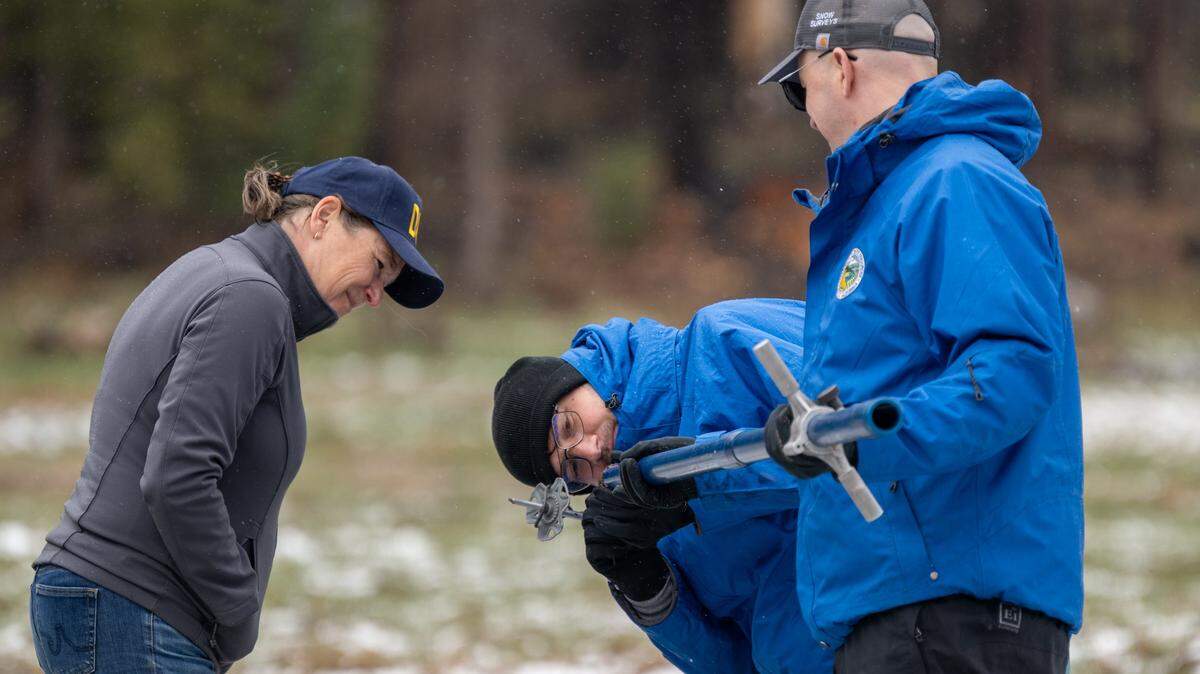
A midweek storm brought light rain to Sacramento and a modest burst of snow to the Sierra, but not nearly enough to undo the damage from a historically hot March that wiped out much of California’s snowpack.
But the new snow came too late to significantly change the state’s water picture.
Scientists say that kind of rapid melt is becoming more common as the climate warms, with more precipitation falling as rain instead of snow — even at higher elevations. Climate scientist Daniel Swain said the March heat brought some of the largest temperature departures from normal ever recorded in parts of the state, accelerating the melt.
The result is a shrinking natural reservoir. Snowpack typically melts slowly through spring and summer, feeding rivers and reservoirs. Without it, water managers rely more heavily on what’s already stored.
As of March 31, 38.3% of California was identified as “abnormally dry” by the U.S. Drought Monitor, including large swaths of the Sierra Nevada, the Bay Area and Central Coast. The designation serves as warning that the area “could be entering” drought.
Reservoirs remain in strong shape
For now, that stored water is in good shape. Major reservoirs across Northern California remain above historical averages for this time of year, thanks to storms earlier in the winter:
- Shasta Lake: 90% of capacity (114% of average)
- Oroville: 91% (123%)
- Folsom: 85% (134%)
- San Luis: 89% (102%)
- New Melones: 78% (126%)
Those levels will help buffer the effects of the weak snowpack, though state water managers cautioned Wednesday that reservoirs alone can’t fully replace the steady supply snowmelt usually provides.
“What we have in our reservoirs is what we have, and we have it to manage for the next six months or so, until we hit October,” said Karla Nemeth, director of the Department of Water Resources.
What comes next — and what about El Niño?
Looking ahead, forecasters are watching the potential return of El Niño later this year.
NOAA has issued an “El Niño Watch,” with conditions possibly developing by summer and strengthening into fall. Historically, El Niño years tilt the odds toward wetter conditions in California — but don’t guarantee them.
Meteorologists emphasize that the relationship is inconsistent, especially in Northern California.
El Niño “shifts the over-under on rainfall,” Jan Null, a former National Weather Service forecaster who operates Golden Gate Weather Services, told the Bay Area News Group recently. “But it’s not a sure bet.”
In other words, even a strong El Niño would not ensure a wet winter — or a recovery from this year’s snowpack losses.
This story was originally published April 3, 2026 at 8:00 AM with the headline "More than a third of California ‘abnormally dry.’ What it means for water levels."