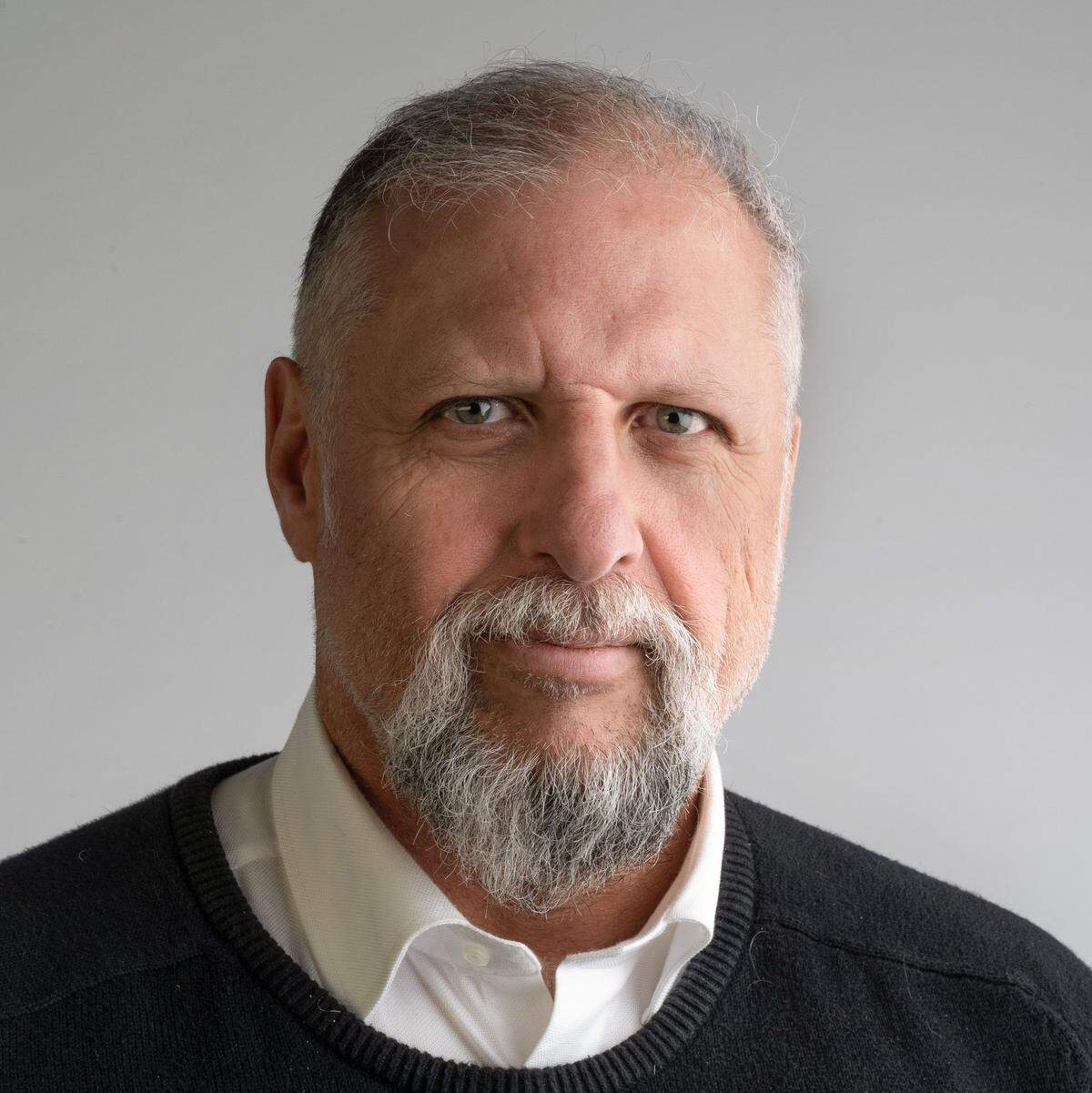
You live in a better Sacramento because of him. Rest in peace, Mayor Joe Serna
The morning of Nov. 7, 1999 was gray and cold and I was driving a family member to the downtown train station. We looked up and saw the City Hall flag being lowered to half-staff.
That’s how I learned that Sacramento Mayor Joe Serna Jr. had died from a wretched cancer that he had beaten once before it returned to take his life in the middle of his second term in office. If you lived in Sacramento, you knew Serna had been gravely ill and that the city was keeping vigil.
The lowering of the flag at City Hall was mournful confirmation of our shared loss.
Our mayor was dead. He was only 60 and had so much more to give and to accomplish and to experience. The sadness and loss that I felt in that moment would fall on the city and the region as the news of Serna’s death spread. By that day 20 years ago, Serna had become the face of Sacramento. He was the heart of Sacramento, the soul of Sacramento.
Serna, with his beaming smile, straight-shooter persona, world view as a farm worker kid and self-made man who rolled up his sleeves and solved problems, was ahead of his time as much as he was right on time.
His legacy as mayor was he delivered exactly what Sacramento needed in the 1990s heyday. He was a leader who championed ideas that are fully flowering now.
By virtue of his birth to a humble Mexican family in Lodi, of his pride in his ethnicity and his humble station life in life, Serna was an outsider to Sacramento politics dominated for generations by those from Sacramento’s most well-heeled neighborhoods. By virtue of his advocacy for farm workers and his love of labor icon Cesar Chavez, Serna was not content to appease institutions that he felt were unfair to working people.
Serna played a big role in integrating the leadership ranks of the Sacramento Police Department by strongly supporting Arturo Venegas, the first non-white chief in city history.
Serna was not content to make nice with the many naysayers who used to hold elective office in this town. He fought them and won the battle of renovating the Community Center Theater. He fought them and won the battle of using the city’s good credit to float a $74-million loan to the Kings.
He did all this and much more while only keeping office hours at City Hall on Tuesdays and Thursdays. The other days were devoted to his government students at Sacramento State, where Serna taught for years and where a cultural center and a central campus fountain and courtyard are named for him.
“He had an appetite for doing big things,” said Michael Picker, Serna’s longtime chief of staff. “He had a passion for the city and community.”
Picker said Serna longed to have a city where “everybody reads, everybody works, everybody votes.”
Craft beer, coffee and ahead of his time
Serna championed the downtown years before it was cool. He wanted Sacramento to be where employers relocated to create jobs years before Mayor Kevin Johnson helped form the Greater Sacramento Economic Council to do that.
He doesn’t get much credit for it, but Picker said that Serna saw big opportunities for Sacramento in craft beer and coffee.
“Joe had me study coffee and microbrews,” Picker said. “I went all over the Pacific Northwest and talked to a professor at Portland State who showed a map of the most under-caffeinated cities in American and Sacramento was one. For coffee makers, it was about helping folks get the kind of permits they needed. For microbrewers, it was about adjustments to waste water.”
It is one of the sad elements of Serna’s story that he didn’t live long enough to see coffee and microbrewery scene explode in Sacramento. That he didn’t live to see Golden 1 Center and the current renaissance of the downtown. He didn’t live to see his grandchildren grow up or to see his son Phil Serna become an excellent elected official in his own right.
“He was the people’s mayor and for me, my most important teacher in combining idealism and getting things done,” said Mayor Darrell Steinberg. “He would enjoy this time were in now. He planted a lot of those seeds.”
Tina Thomas, a longtime Sacramento lawyer and one of Serna’s closest friends, said Serna pushed to expand Sacramento’s Regional Transit system.
“He was the father of light rail from a political standpoint,” Thomas said. “He took RT and made it something bigger. That’s what he did. He took ideas and made them bigger.”
Seeing Serna and his late wife Isabel dining downtown with friends was quite common in those years. The outsider became the ultimate man-about-town. Serna wasn’t successful at everything he supported. He tried and failed to lure the Oakland Raiders to Sacramento. He also tried hard to lure the Oakland A’s to town and was not supportive of a minor league team in Sacramento.
So the Sacramento River Cats play on the West Sacramento side of the Sacramento River. Serna was on the losing side of a city vote to sue Loaves and Fishes, the city’s largest charity, for violating city permits by feeding people. The lawsuit brought great scorn to Sacramento for suing a homeless charity and Serna used his bully pulpit to push the city to settle the lawsuit and end a PR nightmare.
“That was one of his defining moments,” said Marc Grossman, the longtime spokesman for the United Farm Workers union and a close friend of Serna. “Joe thought it was a disgrace.”
Serna had dreamed of becoming first Sacramento mayor to be elected to three terms and likely would have achieved that in 2000. But his cancer came back. He fought it, fought to live with the help of many people in town.
Serna’s legacy lives on
Richie Ross, a longtime political operative, tried to get Serna into an experimental cancer treatment program at UCLA. Ross said he enlisted the help of then-Vice President Al Gore to pull strings. When an appointment was secured, Serna and Ross worried about Serna’s frail appearance. They feared if the doctors saw how sick he was, they would tell him there was nothing they could for him.
“I got Joe a tailor who took in his best suit. We brought in a barber. (Developer) Angelo Tsakopoulos got us a private plane.,” Ross said.
Grossman said that then-Sacramento County Sheriff John McGinness drove Ross and Serna to the airport. They arrived at UCLA feeling hopeful. Then it was time for Serna to see the doctors.
“When he came out I said, ‘How did it go, Joe?’” Ross. “He said, ‘Rich. I had to take my clothes off.’”
Ross was laughing as a family member would during a funny story, until he got the kicker. When the doctors fully examined Serna without his suit on, all the hope that inspired the haircut, the private plane ride, the VIP motorcade, faded, the efforts were all for naught.
“We learned the limits of image making,” Ross said.
Sacramento’s indispensable mayor stayed close to home after that. Restaurateur Biba Caggiano would send meals to his home.
“He didn’t want people to see him like that,” Grossman said..
The news of his death spread as fast as possible in the days before social media. And on the day of his funeral, thousands poured onto rainy streets to see Serna’s massive funeral procession take him to a mass at the Cathedral for the Blessed Sacrament.
All the local TV stations covered the procession live. There were banner headlines for days. The outsider had become the beloved mayor. He was the city’s first Latino mayor but Serna had a bigger vision for who he should be.
“I want to be mayor for everyone in Sacramento,” he often said. And he was, to the end. He’s missed to this day. Sacramento is better for off for his influence and hard work.
Rest in peace, Mayor Joe. Thank you.
This story was originally published November 7, 2019 at 5:30 AM.