In the shadows of coronavirus, he needed a kidney transplant. How hope beats a pandemic
People are fighting for their lives in local hospitals who are not afflicted with COVID-19. But their surgeries and simple hopes to keep living are threatened by the virus just the same.
At UC Davis Medical Center, for example, the hospital has a noted kidney transplant program that has temporarily stopped accepting organs from live donors because the risk of transmitting COVID-19 through transplant surgeries is too high.
It’s an understandable precaution in these extraordinary times but the consequences are real.
If you stop accepting organs from live donors, you take away the ability of a mother or a father or a sibling or a healthy stranger to donate a kidney to save someone who needs to be rescued from dialysis or even death.
On average, an organ from a live donor lasts longer than one from a deceased donor. That means recipients of organs from live donors will generally have more years to feel more healthy. They can live satisfying lives, the specter of ill health is beaten back. For now, that option is a victim of COVID-19.
UC Davis Medical Center is now only performing kidney transplants with organs from deceased donors. Meanwhile, elective surgeries have stopped to preserve hospital beds and capacity as a precaution to avoid overwhelming local health systems by an expected COVID-19 surge.
It all makes sense as a reaction to a pandemic. But as long as the specter of COVID-19 makes donating organs impossible for families and healthy strangers, the virus is disrupting the lives of medically vulnerable people in ways we may not have considered.
At 17, Alex Gonzalez is one of those people.
As the COVID-19 pandemic spread, the North Highlands teenager needed a kidney. But his family couldn’t give it to him.
A cheerful, earnest young man who hopes to go to college and to have a long life, Alex admits to being overwhelmed by fear and worry as he faced the prospect of being unable to find a matching kidney – and what that meant.
“He was down,” said his mother Angelica this week. “We were all crying.”
Transplant blocked by coronavirus
This was all coming down at the same time that California Gov. Gavin Newsom was issuing a mandatory stay-at-home order on March 19.
The stress level for everyone in California was high. In the Gonzalez household, a family of faith and good humor – a family that had already endured a great deal – were facing a prospect they dreaded.
He had known since November that he would need another kidney. The one his mother had donated to him when he was a baby was giving out and for obvious reasons she couldn’t be the donor again.
For a variety of reasons, his father and sister were ruled out as candidates for donation and no other matches were found.
Then COVID-19 put an end to the search for kidney from a living person and Alex spent the month of March feeling emotionally and physically drained.
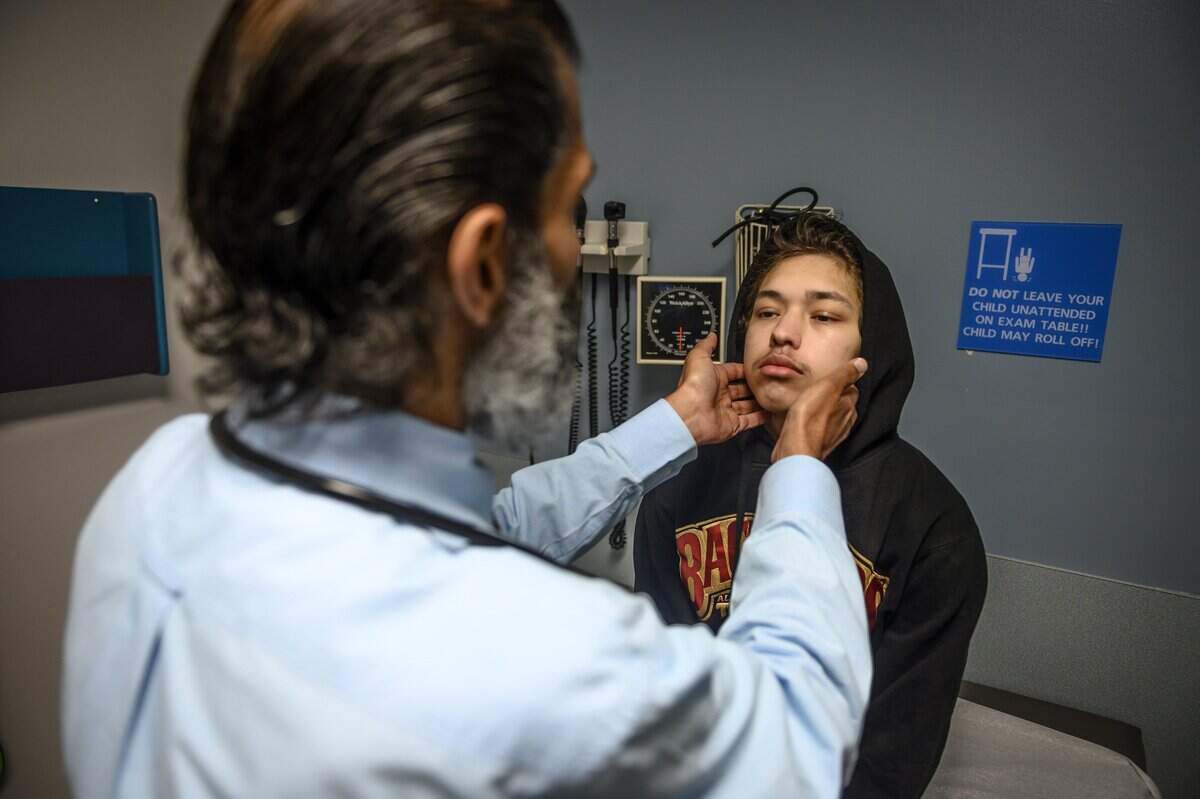
“In the last month or so he started getting sleepier and his energy dropped,” said Dr. Lavjay Butani, the chief of pediatric nephrology at UC Davis and the same doctor who has cared for Alex all his life.
Without access to a donated kidney, Alex’s condition was such that he would require dialysis three days a week for three hours each session.
“Being stuck a machine for three hours,” Butani said. “Emotionally that is very challenging, especially for kids.”
Born without kidneys
The North Highlands teenager had been born without kidneys, though his family didn’t know that at the time. His mother remembers being elated when she took the youngest of her two children home in September of 2002.
But within weeks, the persistent crying of her new baby raised alarm. Alex wasn’t just being a fussy baby, his mother thought. He wasn’t behaving or reacting in any way that resembled his older sister.
He was in distress, she thought.
“I called my husband and I said, ‘Something is not right.’”
Within minutes after taking Alex back to Mercy San Juan, the hospital where he was born, Angelica said she was suddenly being told by doctors that her baby was clinging to life.
He would have to be taken to UC Davis Medical Center at once by helicopter. She was not allowed ride with him and the drive from one hospital to the other was harrowing for her.
“By the time we got to the hospital, Alex was intubated’ she said. “There were all these doctors and nurses. They told me my baby was in grave condition.”
Angelica said doctors were able to stabilize his condition but she was told that if Alex had arrived 15 minutes later than he did, he would have died.
For the first year of his life, Angelica estimates that Alex spent more time in the hospital than out of the hospital.
His mother stayed with him. “I wouldn’t know when it was day and when it was night,” she said of those years.
She donated her kidney and when Alex was 18 months old, Dr. Richard Perez – now chief of transplant surgery at UC Davis – operated.
“He was probably less than 10 pounds and getting a kidney from an adult, those transplants are much less common and always more stressful,” he said.
But Alex lived. He grew up. He got to be a kid. He has spent life taking medication, sometimes 10 to 12 doses at one time. He’s had to avoid rough play to avoid damaging his kidney.
But he’s lived and become a joy to his parents.
Hope triumphs over despair
Last month, that joy had faded. Nobody wanted dialysis. His young life would have severely restricted forever. Plans were made to implant a catheter in Alex when his family got a call they thought was a joke.
There was a kidney.
“Stop playing with me,” Alex’s sister Carmen told hospital officials when the word came.
It was not a joke. There was a kidney from a deceased person and it matched Alex. He could have it if they rushed to the hospital.
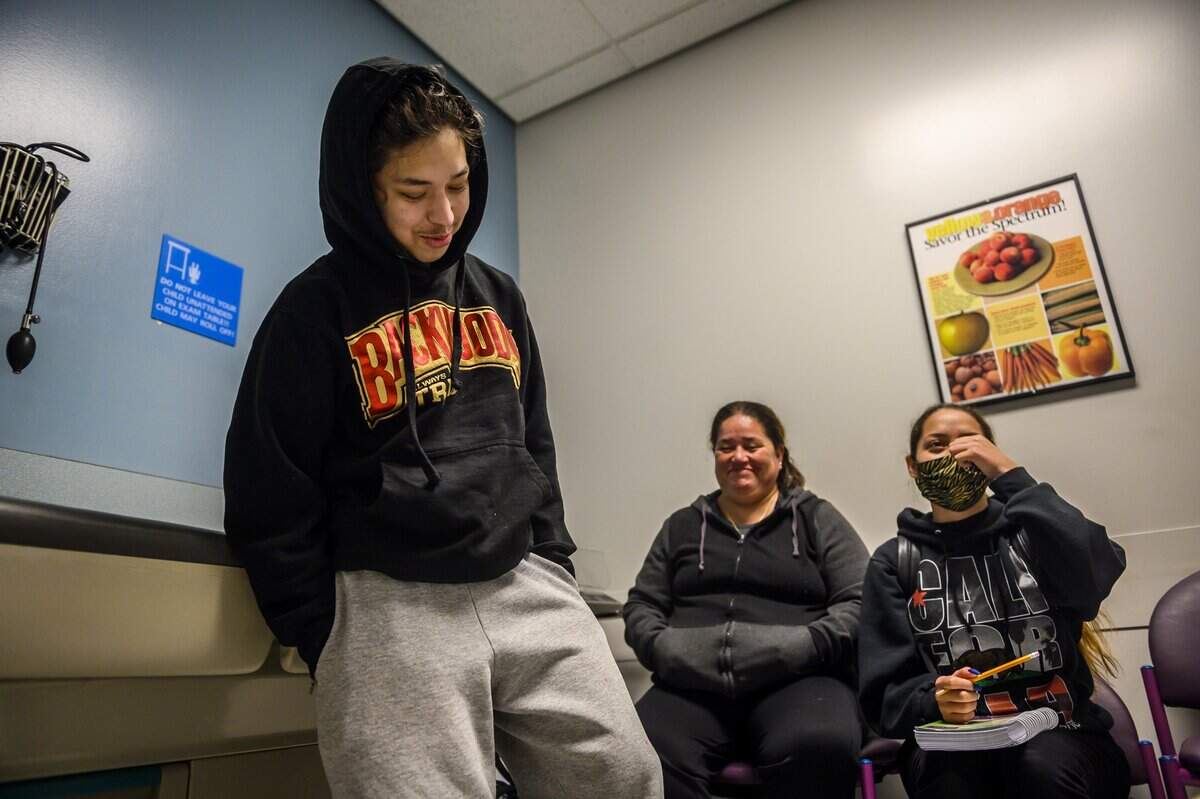
“When I told Alex the news, I couldn’t without crying,” his mother said.
On March 22, three days after Newsom’s shelter in place order, Alex got his kidney.
It was not from a live person and likely would not last as long as an organ from a live donor, but he wouldn’t need dialysis.
If he took care of himself, the kidney could last him into his 30s, and who knows after that?
The doctor who performed the surgery? Perez, just as he did more than 15 years earlier.
Perez had become a transplant physician because his own father had once received a heart transplant. The procedure emotionally transformed him and his family.
He dedicated his professional life to giving life to others.
“If you’ve been there and seen this in your own family, you view these procedures through a different lens,” he said.
With me, on the phone, Perez was stoic like many surgeons are.
But Angelica said Perez and Butani shed tears with her as they helped save Alex – again.
And how did the patient feel?
“I feel lucky,” he said. “I was shocked. I didn’t think this was going to happen.”
But it did, a life was saved, two doctors were reminded why they do what they do. And, in a manner of speaking, kidney disease and COVID-19 were beaten by hope.