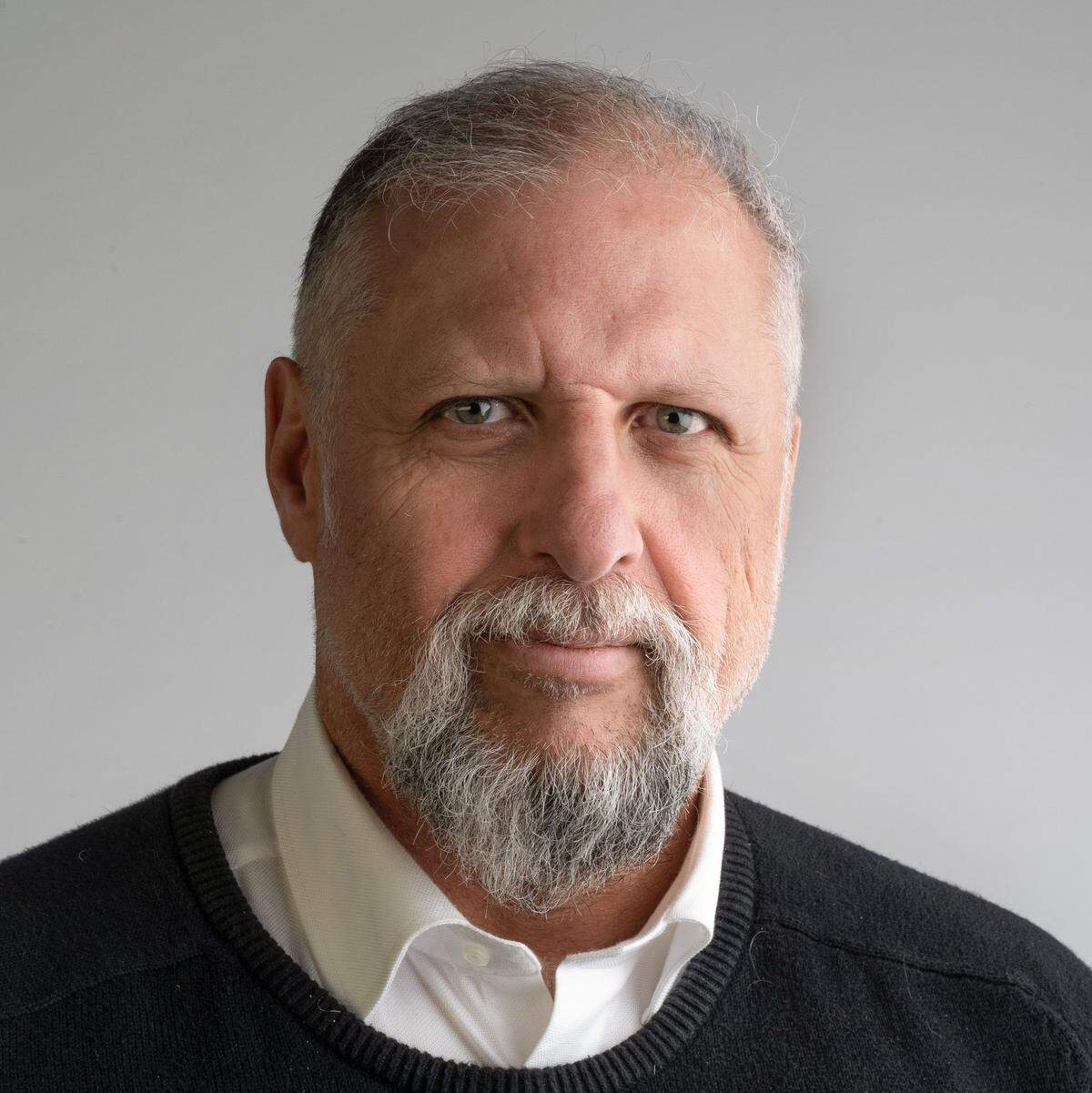
Chris Webber opened his heart about Jacob Blake and race. Do we have his back?
Chris Webber spoke movingly Wednesday, from his heart and in a way we rarely saw when he was the best player on an elite Sacramento Kings team that nearly won an NBA championship in 2002.
“I’m here to speak for those that have always been marginalized,” Webber said over three impassioned minutes of a spontaneous- and emotion-filled call-to-action from the telegenic and star-crossed man whose No. 4 jersey hangs from the rafters at Golden 1 Center.
Known in the early 2000s heyday as “C-Webb,” Webber played basketball, a power forward with an unbelievable vertical game, a gift for finding the open man with surgical passes and for running the floor with speed that defied his 6-foot-9 frame. Now he talks basketball.
Webber was speaking on TNT in a time slot reserved for basketball talk.
With no script or rehearsed talking points, Webber transformed his customary TV platform into something far more significant in the aftermath of NBA teams taking the unprecedented step of boycotting games to protest the shooting by police of Jacob Blake in Kenosha, Wis.
“I have young nephews and I’ve had to talk to them about death before they’ve even seen a movie,” Webber said.
As he spoke, you could tell the tears were right there in Webber’s expressive eyes. They used to flash youthful exuberance, or disdain for opponents, or joy on those distant, magical nights at Arco Arena when he was the star attraction of the NBA’s most entertaining team between 1999 and 2003.
But Webber’s knee blew out and our dream of a Sacramento NBA title died.
We’ve known him, we’ve loved him, but we’ve never seen him as he was Wednesday.
Webber always was that magical guy who experts predicted would be “special.” And he was special, despite personal and professional setbacks that blocked him from winning an NCAA championship at Michigan or hoisting an NBA championship trophy in a parade down J Street.
Scars always accompanied his physical beauty. And his charm and intelligence have made him a fully formed man who is, as it turns out, truly special at something more important than basketball success.
Mayce Edward Christopher Webber III is, after all these years, a serious man who has made himself wealthy, famous and free by using his talents – physical and intellectual – to become his own man for these times.
Webber’s voice caught a little when he spoke of how, when he was in high school, he was moved by seeing his current TNT colleague – NBA great Charles Barkley.
He spoke of noticing Barkley’s “hands and his body.” It was then that Webber saw the possibilities for himself, a young black man from Michigan.
Wounds of a shooting
In the context of Jacob Blake, shot by police seven times, or George Floyd and Stephon Clark, killed by police, the point Webber was making was unmistakable. At the wrong place, at the wrong time, when he was still young and his talents had not provided a measure of enhanced safety, Webber could have been them.
He knows it. We should know it, too. And if we don’t know it, or deny it, then we are part of the problem that moved Webber to speak so eloquently on Wednesday.
His talents made a lot of money for Michigan basketball – a ton of money – and when the hypocrisy police at the NCAA called foul on the money everyone was making, young black men like Webber felt the worst of it even though they were the ones being exploited.
Just after the Kings lost the Los Angeles Lakers in the 2002 Western Conference Finals, Webber was indicted of lying to a grand jury about taking money from a Michigan booster. It was big news at the time. I blasted Webber then.
But I was wrong. He was not the villain in that sordid play. The NCAA was. Michigan was. All those people who made money off of Webber were the guilty parties.
Webber was just trying to make his way in a world with a system stacked against him. He had to perform for free while Michigan big shots and NCAA parasites got rich off the whole deal. And now, that world requires him to talk to his little nephews about death.
Webber questioned those who tell young, black kids to “vote,” as if voting alone will solve their problems. His words has the resonance of someone who has been exploited. They resonated because they came from someone who wouldn’t have a platform on national TV were it not for his gifts and his ability to use them.
I criticized Webber for not speaking out about NCAA exploitation in the early 2000s. What a fool I was.
I asked Webber to speak out amid the xenophobia that accompanied 9/11 and the early George W. Bush years where we, as Americans in fear and loathing, willingly sacrificed our freedoms because we were afraid.
Webber was right to protect himself then. He’s run the gauntlet since the Michigan days, forever lampooned for mistakenly calling a timeout his team didn’t have in the waning moments of an NCAA final game. His error caused his team to turn over the ball. The opponents ran out the clock.
He has stood tall and made something of himself in the face of national ridicule.
He found his moment on Wednesday to show all of us that he had survived, risen above, but most of important of all – that he had understood what happened to him and why.
Start ‘something for the next generation’
Because of this, he said he had no time for “pontificating and soap boxing.” He said he didn’t even care about what had to “happen next.”
“We understand it’s not gonna end but that doesn’t mean, young men, that you don’t do anything,” Webber said, looking directly into the camera.
“Don’t listen to these people telling you not to do anything. It’s not going to end right away, but you are starting something for the next generation.”
And so Webber – the wonder youth, the star-crossed superstar, the man who flew close enough to his dreams to brush against them but not conquer them – won a bigger prize.
Chris Webber is his own man now. He has something to say and the experience to say it right.
“If not now, when?” Webber asked of when change and racial healing will come to this country.
There is no answer for that right now. What we’re seeing are too many Americans invested in wanting men like Webber to “shut up and dribble” instead of telling America that they are here and they don’t want to be killed anymore.
In Webber’s adopted hometown of Sacramento, political leaders at the statewide level and local level have failed miserably to answer calls to prevent police brutality. Statewide legislation to curb police brutality is being blocked by Democrats in the legislature. The City of Sacramento recently enacted a pack of half measures to protect citizens from police brutality. The County of Sacramento worships the Sheriff’s Department budget above all else.
Even in fundamental issues of equity, such as public education, majority white teachers unions in Sacramento are harming black and brown kids by putting their interests above the kids.
So when Webber spoke, when he was asked what had to happen in America next, he knew that many people don’t want to hear the truth – that violence against black people is a manifestation of a larger disease of entrenched interests invested in maintaining the system that kills black people and brown people disproportionately.
In a way, heaving that question at Webber – a symbol of those on the receiving end of violence and ridicule from those driven by discrimination – was a sad joke.
We should be asking ourselves these questions, not asking people like Webber.
But he held it together, maintained his dignity. When he spoke, it was with love and determination and not justifiable cynicism for the state of our country.
He wasn’t trying to reach me or convince me, or you. It’s up to us to look in the mirror now and acknowledge our biases. No, Webber was speaking to the youth who resemble the kid who used to be. He was telling them to take heart, to be wary of us, to be strong.
“It’s the young people leading the way,” he said.
Webber was doing what leaders do. He was trying to inspire.
This story was originally published August 27, 2020 at 12:23 PM.