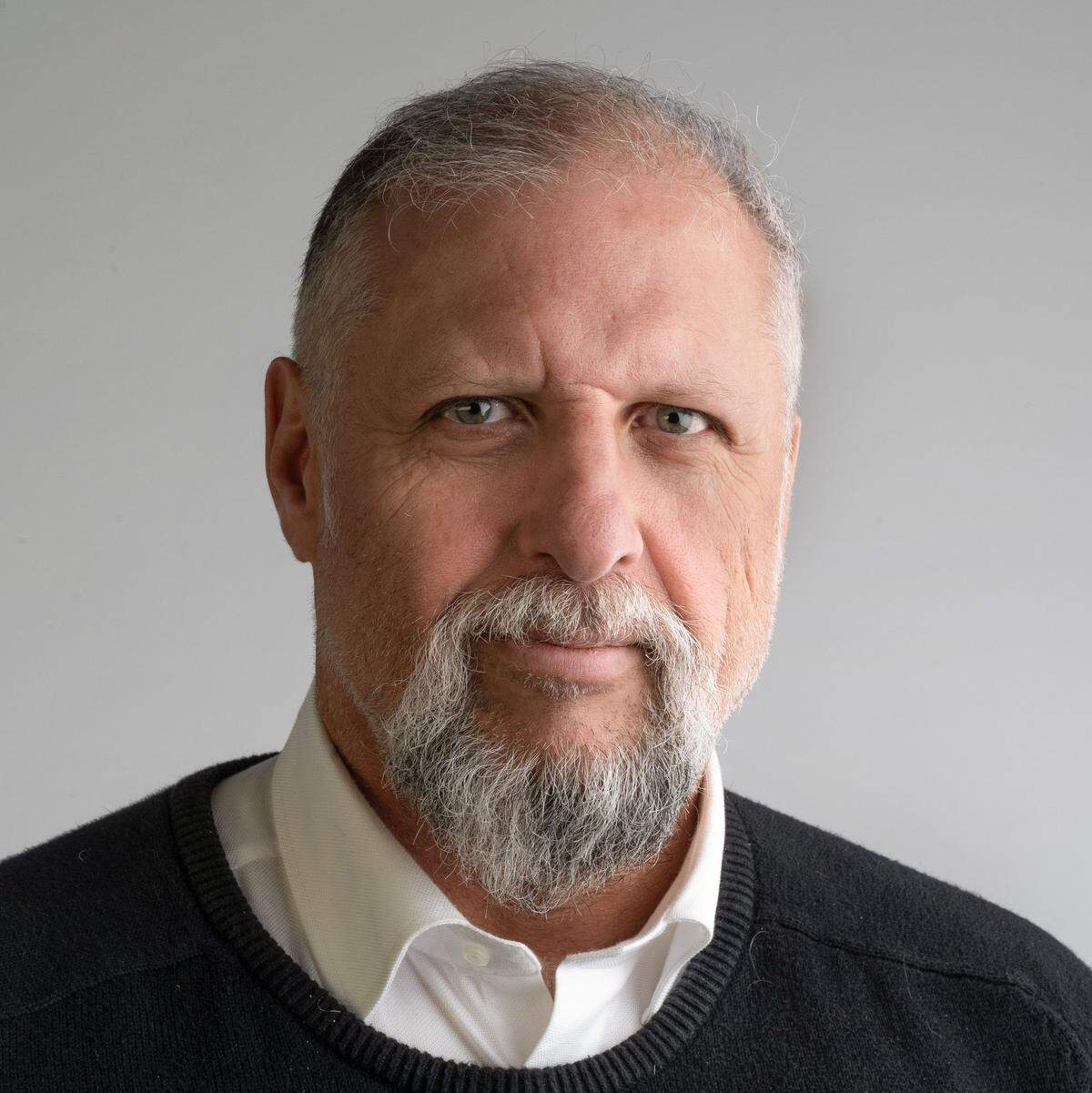
AG was a dream job for Steinberg. He would have served as a life vest keeping Newsom afloat
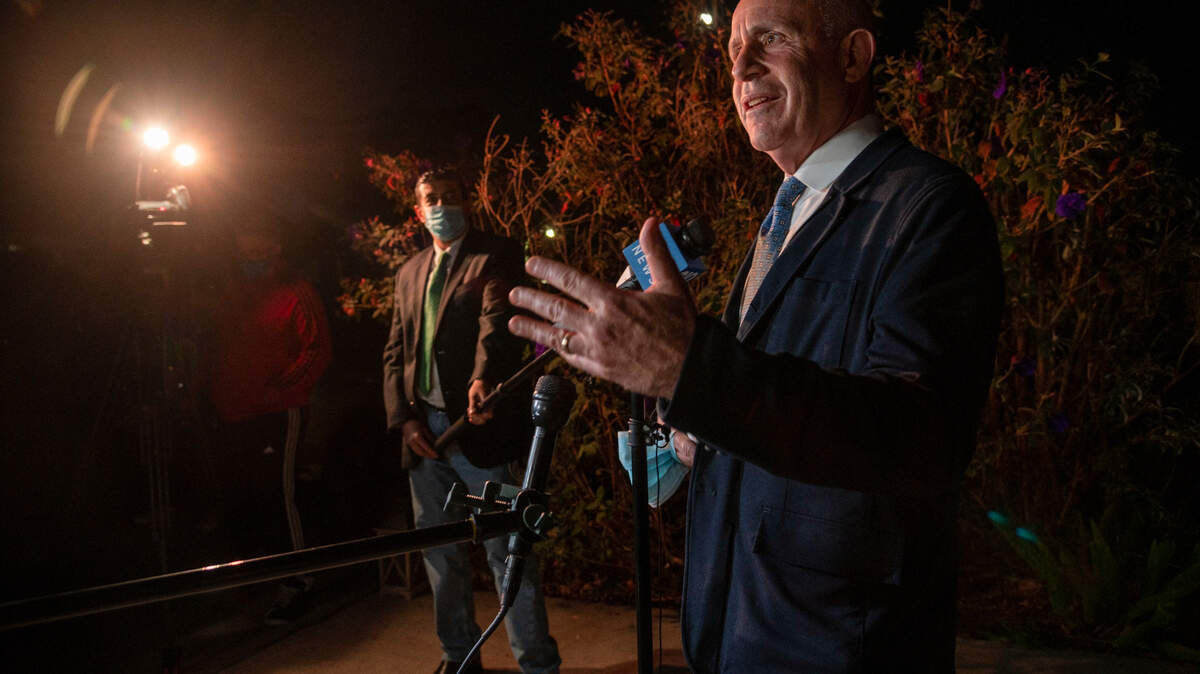
Aside from attaining a spot on the state Supreme Court, Attorney General of California has been the job that Darrell Steinberg always wanted.
If either of those positions had been open to him in 2016, Steinberg never would have run for mayor of Sacramento.
“There is no greater honor or responsibility than to fight for the civil and human rights of people left out or left behind,” Steinberg said to me recently.
But it was not to be, not this time. Xavier Beccera was confirmed last week as the U.S. health secretary and Gov. Gavin Newsom had a choice of a new attorney general. Steinberg was in the running, was one of the prime candidates. But Tuesday he received the, sorry-it’s-not-you call.
Newsom had strung him and the other candidates along for almost four days. That seems a bit excessive, but that is the call Newsom made. Steinberg deserved better.
That rejection call is always disappointing to hear, no matter how experienced or savvy you are. And Steinberg is both, which is why he would have made an excellent choice. He wanted it, and he would have plunged into the job the way he has with every mission he has undertaken in his public life.
What that means for Sacramento, for the time being, is Steinberg will still pursue his quest to get homeless people off Sacramento’s streets and his efforts to lure a Major League Soccer franchise here. This is good for Sacramento. No knock on whomever Newsom selects, but the governor has rejected someone who would have served him and the state well.
Steinberg knows how to take a hit
At 61, Steinberg knows his way around the state and local political ring. As mayor, he has taken more personal hits from detractors in the last year than he had in the previous 30 years as a central figure in Sacramento politics.
He and Newsom, 53, have shared a political year of living miserably.
“Am I willing to make anybody mad to do the right thing?” Steinberg said to me last June, after hundreds of protesters staked out his house during city wide demonstrations following the killing of George Floyd. “I always have been. I refuse to allow myself to fall into that easy human experience of getting kind of comfortable.”
Progressive activists hit Steinberg for being too unwilling to take on city police budget allotments. He was branded too politically expedient for supporting the idea of funneling sales tax revenues into the city budget instead of struggling communities.
Business leaders thought him too liberal and too passive as the city was battered and bruised amid the countless calamities of 2020 and early 2021.
The blows Steinberg took were nothing if not myopic. This rejection is one more blow, but one that comes with a different set of feelings. One is the frustrating part of navigating constituencies and local initiatives. Local politics is a grind like that. The other is just being in a pool of qualified candidates and not getting the rose.
Steinberg knows state politics
What do Newsom and Steinberg share?
Name a mayor or a governor who hasn’t felt the heat of civic unrest or economic despair and whose personal brand hasn’t flagged in the last year? Newsom is facing a recall effort and lost confidence. He said one thing about COVID-19 precautions and did another by dining at the French Laundry while maskless, indoors and surrounded by lobbyists.
Steinberg has kept his nose clean, but that doesn’t mean he is unscathed. Newsom and Steinberg share woes, like a bond between two men who couldn’t be more different stylistically but who need each other’s help to get through this trying time.
They could have viewed each other as one would a life vest bobbing in rough seas. They may not be drowning, but they could have jumped anyway to help stay afloat.
In Steinberg, Newsom would have tapped a friend who probably knows the legislature better than the governor does. He would have picked someone who genuinely likes Newsom, someone who could be a partner the governor needs.
Steinberg as Senate President Pro Tem, was an important partner for former Gov. Jerry Brown, Newsom’s predecessor, on several key issues. He never got credit for it, certainly not from Brown.
Chief among them, and most relevant to Steinberg’s AG candidacy, was Steinberg forcing Brown to do the right thing on prison overcrowding in California. In 2013, California was under order by three federal judges to reduce the state’s prison population by 9,600 prisoners by the drop-dead date of Dec 31, 2013. But the legislative session annually ends in September, meaning Brown had to cut a deal by the end of that session.
Brown’s idea was to spend $315 million to ship prisoners to private prisons, some in the other states. County jails and other facilities would be used as well.
Can you imagine if a California governor proposed spending hundreds of millions of dollars to ship state prisoners to private prisons today? Civil rights activists would engulf the state capitol. And Brown put a conservative fine point on his plan by enlisting the support of Republicans and law enforcement leaders. He also got Assembly Speaker John Perez to go along.
The lead person standing in the way was Steinberg. He refused to go along.
“Temporarily expanding California’s prison capacity is neither sustainable nor fiscally responsible,” Steinberg wrote in a letter to Brown that was widely quoted in the media. “The administration’s current plan is a risky gamble.”
Instead, Steinberg preached rehabilitation as a way to reduce the state’s prison population. He and his senate caucus proposed funding a series of rehabilitation measures as a way to bring down the state’s prison population.
At the insistence of Steinberg and his caucus, the state set aside $20 million in general fund money that gave counties the resources to divert mentally ill low-level prisoners to treatment rather than incarceration. They also funded mental health residential beds, Medi-Cal enrollment assistance for people with behavioral needs, and training for cops to deal with the mentally ill.
Steinberg’s proposal also included money to bolster drug court and mental health court, which some prosecutors swear by now because they are less adversarial and focus on attacking recidivism.
Along with funding rehabilitation, Steinberg’s plan proposed asking the three federal judges to give California three more years to bring down its prison population by helping more prisoners prepare for lives beyond mass incarceration. Steinberg worked the phones endlessly, his legislative aides say, to sell the idea to the judges.
With four days to spare before the end of the legislative session, Brown and Steinberg cut the deal. The judges were persuaded to go along, but only gave California two years to reduce its inmate population. Brown got the credit, Steinberg made it happen.
A diversity issue
Despite this and a record of being one of the key power brokers in the state during a consequential period that was book-ended by near financial collapse in 2009 and prosperity in 2014, Steinberg posed political risks to Newsom.
To put it bluntly, Steinberg is a white male who was vying to be the top law enforcement officer in California. Communities of color, particularly Asian Americans, had lobbied Newsom to pick someone from their community to be AG. That call for someone of color resonates in so many ways. And Steinberg knows that.
Regardless, being selected by Newsom to be state attorney general would have allowed Steinberg to achieve the realization of a professional dream and would have been the highlight of one of the most successful locally grown political careers of the last century.
Before the rejection, he talked about what he wished to accomplish.
“I will put all I have learned and all I have done over my decades of service into the great causes and cases which help people who deserve a better chance,” he said.
He can still do that as mayor. A dream denied is sometimes an opportunity realized.