
What I thought I knew about my parents, love and the ways we show it to each other
My mom was still, her eyes looking up at the ceiling as she laid on the kitchen floor. There was a small amount of blood coming from the back of her head, presumably caused by the counter corner she struck when she collapsed while everyone was still asleep that morning.
As paramedics knocked on the door, she looked at her eldest son and reassured him.
“Don’t worry,” she said to me, using a familiar smile. “I’ll be fine.”
The morning my mom fell was a turning point, at least for her health. The prescriptions she’d been using to treat both chronic migraines and depression made her increasingly vulnerable to the stress she felt as a mother in a seemingly loveless household and a wife in a seemingly unhappy marriage. After that, she went cold turkey off her medications and regained her physical well-being through more holistic treatments. She proudly tells the clients of her wellness consulting practice that she’s never had a migraine since.
Her fall was shocking but it wasn’t surprising, even to a 12-year-old boy. In some ways, it seemed inevitable. In the days and weeks before my mom collapsed, shouting matches echoed throughout the house for reasons I can’t recall anymore. Any positive emotion or feeling that surfaced those days was often snuffed out by a lightning-strike argument.
The environment in our home routinely became toxic before I even had the language to identify a toxic environment. It was practically taboo to say ‘I love you’ or show affection. We rarely took family vacations with the intent to bond and enjoy each other’s company. There were few hobbies or fond rituals we shared.
My parents had an arranged marriage. In fact, the first time they met was the morning of their wedding day. My dad was an American-educated Pakistani immigrant who spent enough of his formative years here that his prime look included afro-like hair, a beard and a Honda motorcycle. My mom was an artist and a support beam as the youngest child in a prominent political family in their Pakistani province. She attended college in Dublin, Ireland, and married my dad when she was 27.
It took two years before they actually lived together in the U.S. My mom was stranded in limbo in Ireland because my dad failed to begin her immigration process until after they were married. It planted a seed of distrust at the beginning of their relationship. Thirty-four years later, they don’t even share the same bedroom.
A different relationship
I’ve been reflecting on how I experienced and internalized love with my own wedding not far off. Mine is an interracial, interfaith love marriage with a fireball Filipina woman who is undoubtedly my soulmate. Thankfully, my family has embraced her. I’ve grounded my approach to our shared journey with a blend of patience, presence and equality.
Everything I do as a partner is a conscious effort to be the complete opposite of my parents. When I express love, it’s often in the grandest form I can come up with. We got engaged in Maui, Hawaii, on our four-year anniversary. I proposed to her underneath Waimoku Falls, bending my knee atop a bed of jagged rocks as I professed my everlasting love and commitment to her.
The glow of such a profound moment carried us for months. But small cracks began showing this year, and I’ve been terrified to the point that I would rather hush any discord than confront it. I’ve seen shades of my dad’s withdrawal and ambivalence in myself.
The 2020 Netflix docuseries “Indian Matchmaking” was an exciting breakthrough for South Asian relationships and representation in American entertainment. Producers interviewed happy couples between scenes, but those moments felt more like propaganda to appease Western audiences rather than the untidy realities of most arranged marriages.
Still, the thought of pioneering a different relationship in my family filled me with pride. I would have a happy marriage despite my parents. My household would be overflowing with love despite the environment I grew up in.
My fiancée and I took a trip home to Atlanta to see my family in October for the first time since the pandemic began. It was also our first chance to see my parents and my brothers since the engagement, so there was a lot of excitement surrounding the visit. Marrying off your children is an elemental experience in Pakistani culture and one of the defining moments of motherhood. If there’s one thing “Indian Matchmaking” did get right, it’s how South Asian parents obsess more about the wedding than the child who is actually getting married.
Now that we’re all adults, the environment within my family is far less toxic. The passage of time provided the wisdom to see how and why things were so miserable all those years ago. Nowadays, we try to make the most of each other’s company and enjoy the time we have left.
Nightly rituals
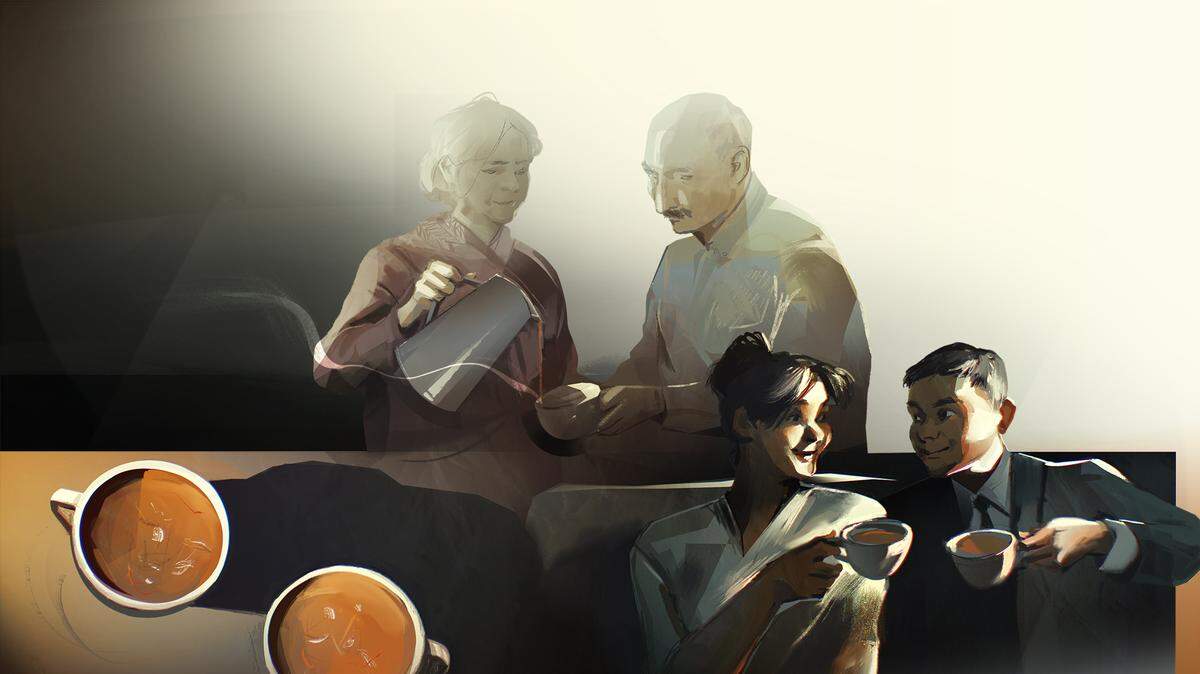
After a lazy Sunday dinner during our visit, we were all sitting around the living room while my dad was tinkering in the kitchen. He brought my mom a cup of herbal tea, which they drink every night to help them wind down before bed. Yet something about this banal habit that had barely registered for most of my life suddenly felt like an anvil dropped on my head.
My parents may have been unhappy, but they did love each other. I was just too superficial to see the ways they expressed it.
My dad has been an unmatched provider for our family. He may not have taught me how to perform an oil change or talk to women, but he got me a tutor when I nearly failed high school algebra and paid my rent while I was in college. I couldn’t have met my fiancée and launched the career I have now if my dad had not let me live with him when he was assigned to a project in Sacramento.
My mom was the ultimate homemaker, selflessly giving so much of herself to others. She always made sure we had a warm meal for dinner, even after spending eight hours running a business in which she healed others. If we so much as sneezed, she would react as if we had the flu and do everything she could to make us feel better.
Even when my mom was stressed out, she found a way to keep our family functioning.
In my own naivety and ignorance, I had convinced myself that openly and outwardly expressing love is the only way that matters. I was so upset about not being explicitly told I was loved that I had overlooked the other ways it was communicated.
It wasn’t until now — some 20 years later — that I appreciated the lesson behind my mom’s smile as she was whisked away on a spinal board. With something as simple as a soft arch in her cheeks, she told her terrified son that she loved him and that the tiniest gesture can have the deepest significance.
It’s a good thing my fiancée drinks tea every night before bed. I have a lot of catching up to do.
This story was originally published December 22, 2021 at 5:00 AM.