Sacramento County plans to end Project Roomkey. It’s a bad idea with worse timing
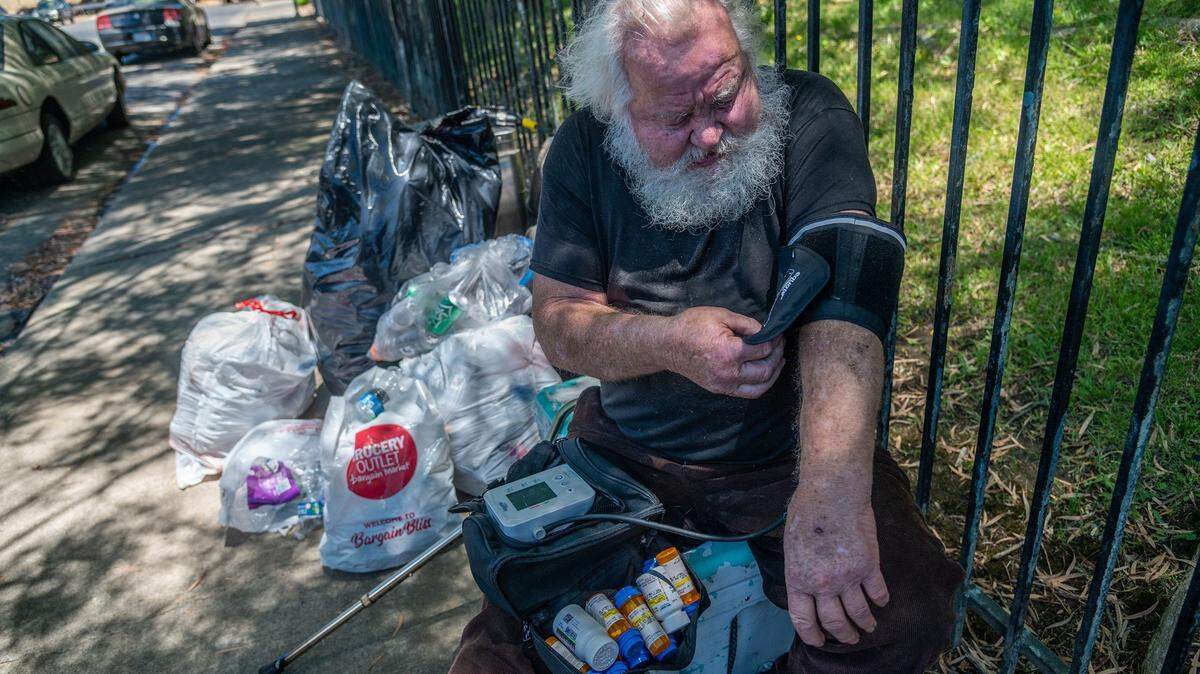
Sacramento County keeps shirking its responsibility to the region’s homeless population, relying on the city of Sacramento and local housing advocates to take the lead on housing and services. The county’s recent decision to end Project Roomkey, a program providing motel rooms to unhoused people who are especially vulnerable to COVID, is the latest in a string of incomprehensible decisions by the county’s Department of Human Assistance.
The county says it will be ramping down the three Project Roomkey motels in the region over the next three months “as the need for COVID-19 prevention declines.”
Its own data, however, says otherwise. While there has been a significant decline in daily average COVID cases in Sacramento County over the past two months, the figure is still nearly four times higher than in December. And those numbers were gleaned mostly from housed people.
Prevention and care inside encampments is minimal and dependent on public services. Local service providers say their unhoused clients as well as their staff are still getting sick at high rates. In a recent letter to the Board of Supervisors, advocates asked the county to stop rousting homeless encampments to decrease the spread of the virus among them.
The county has no comprehensive strategy to address homelessness, offers no emergency safe grounds, promises to provide a “safe” campground in a floodplain at Cal Expo and relies on the city to provide winter shelters. The city, which has no human services infrastructure, should not be the leading governmental resource for this crisis. But the county has abdicated its responsibility, leaving others to fill the void. The Project Roomkey decision is another example of this failure.
County officials say it’s too expensive to continue at nearly $4,000 per motel room, for a total of nearly $1.5 million each month. The federal funding covering the emergency housing, which replaced state spending, is expiring in March.
While neither the Federal Emergency Management Agency nor Gov. Gavin Newsom has allocated more funding for the program, the county did recently receive $300 million in federal COVID recovery funds, 39% of which was supposedly set aside for housing and homelessness services.
In contrast to the county’s decision to end Project Roomkey, the city of Sacramento is stepping up its efforts. The City Council voted to continue its own motel voucher program this month.
The Newsom administration discontinued funding for Project Roomkey in favor of a successor, Project Homekey, which purchases and rehabilitates hotels, motels, vacant apartments and other buildings to convert them into permanent, long-term housing. Homekey recently received an additional $2.75 billion in state funding, of which the Sacramento Housing and Redevelopment Agency received $24 million to provide 92 units for homeless people.
The county has known for months that FEMA funding for Project Roomkey would come to an end in March and that it would need alternatives. But it offers only a vague promise to help the hundreds housed by the program find other options.
“I do understand … the confusion and frustration of Project Roomkey ending, and a lot of that is due to complexities of financing and the pandemic,” said Emily Halcon, Sacramento County’s director of homeless initiatives. “But rest assured we are continuing our efforts as a community to continue the intensive outreach, sheltering and services.”
In reality, those efforts amount to providing the inadequate services that already exist, including “comprehensive case conferencing with providers supported by county, city and Sacramento Steps Forward.” Officials also promised to connect people to existing and expanded rehousing programs such as the voucher program, permanent supportive housing and increased funding through the flexible housing pool, according to documents submitted by county staff to the Board of Supervisors.
The board voted Tuesday to declare a “shelter crisis” in the county as a step toward opening sanctioned encampments called “Safe Stay Communities.” The declaration will allow county staff to move more quickly on site selection and development of the proposed communities, and most sites will not require additional review by the board.
“While stable and affordable housing with appropriate services and support are ultimately what ends homelessness, safe stay communities afford the opportunity to provide immediate safe and hygienic locations for persons experiencing homelessness to live and access services,” a county press release said.
A January county report on the program said 192 of the 335 tenants of Project Roomkey motels had been there for more than six months, and 70 had lived in a motel for more than a year. If Sacramento County couldn’t help them find permanent housing for more than a year, how can we trust it to do so in just 45 days?
“I just want to be really clear that nobody’s being kicked out of Project Roomkey indiscriminately,” said Julie Field, the county’s homeless services program manager. “Everybody at the end will have had opportunities for either future sheltering opportunities or, ideally, future housing.”
But that process can take months or even years to navigate. Those who need help are often directed to a merry-go-round of services via 211, which connects callers to county services.
As one homeless woman put it to the Board of Supervisors, the county’s “rehousing efforts are a total failure.” Karen Clark, who says she’s been a resident of the Roomkey program at the Comfort Inn since April 2020, told the supervisors that the county has yet to offer her meaningful assistance in finding a permanent home.
“My emails are forwarded to some agency, yet no changes are made,” Clark wrote. “We want homes!”
By ending Project Roomkey now, despite all its promises to the contrary, the county is all but ensuring most of these formerly housed people will wind up back on the streets.