
Easing COVID rules ignores Californians who don’t have the luxury of ditching their mask
.JPG "Shoppers, some with masks and some without, ride the escalator at Sacramento’s Arden Fair mall near an advertisement of smiling models outside the Michael Kors store on Tuesday, Feb.15, 2022. Californias indoor mask mandate is set to end Wednesday, but teachers and students must keep masking up according to state guidelines.")
Masks were a part of Kyla Aquino Irving’s life well before the pandemic.
When the Rancho Cordova resident was 15, her kidneys failed and she went on dialysis for six months. Her father donated one of his kidneys to her, and it held up for six years before Aquino Irving needed another transplant, prompting her mother to donate one.
That one is going strong some 21 years later, but Aquino Irving has to take immunosuppressive drugs to keep her body from attacking the transplanted organ. That leaves her vulnerable to infectious diseases. She refers to it as a “blessing and a curse.”
You could never tell that Aquino Irving is immunocompromised — unless it was flu season. Wearing a mask while the flu was going around made her stand out before COVID made face coverings as essential as a wallet or car keys.
Two years into the pandemic, Aquino Irving is beginning to stick out again. Masks are coming off in California and much of the U.S. as the omicron surge fades and warmer weather settles in, inviting a broader return to public life. Over the last few weeks, California has been rolling back COVID safeguards, most notably mask requirements and other accommodations that protected vulnerable residents like Aquino Irving.
“We’re still not even sure if the vaccine is effective on me, which is why I had (a fourth) dose,” Aquino Irving said, referring to the uncertainty in clinical trial data on people with weakened immune systems. “I have to have that guard up. In my mind, if my vaccines are not effective, I still need to mask up.”
About one-third of California adults, or nearly 10 million, have an illness or disability that makes them more susceptible to severe COVID-19. It’s a large umbrella. Some take immunosuppressive drugs because they’re undergoing cancer treatment or have an autoimmune disorder, transplanted organ or new stem cells. Others have diseases that hinder immune responses (like AIDS) or any of the roughly 460 genetic disorders known to affect immunity.
For most people, COVID vaccines were the gateway back to their previous lives. But they weren’t necessarily designed for people with compromised immune systems. Some know for a fact that vaccination won’t protect them because they have a disease that blunts vaccine response.
Viewed as expendable
As we have swung between mandates, rollbacks and new variants, this population has been all but forgotten.
Many in the disabled community criticized Centers for Disease Control and Prevention Director Rochelle Walensky after a January appearance on “Good Morning America” in which she said she was “encouraged” that three-quarters of omicon deaths at the time were “people who had at least four comorbidities, so really these are people who were unwell to begin with.”
“That got a lot of disabled people really upset,” said Eric Harris, director of public policy for Disability Rights California. “We’ve been basically yelling the whole time. We’re the ones most likely ending up in the hospital. We’re the ones staying home the whole time and (who) can’t risk going outside.”
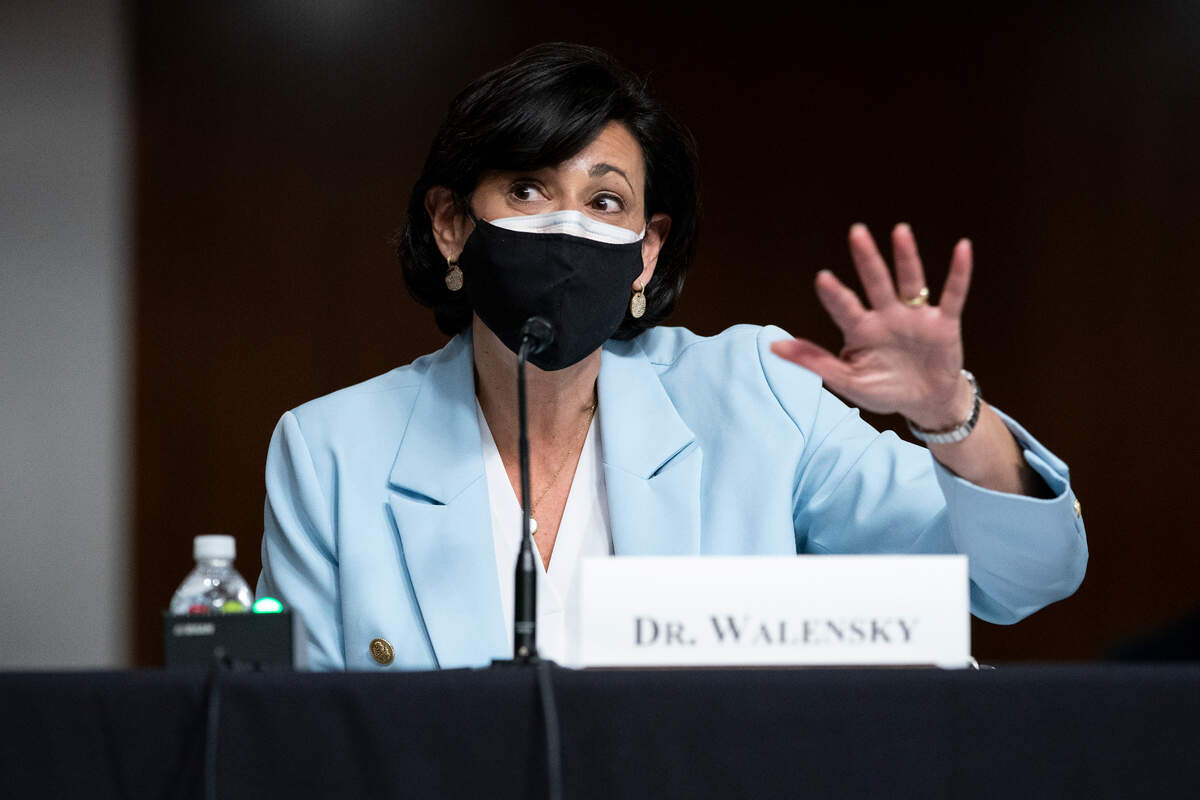
Walensky later apologized for the comments. But her admission underscored a feeling that permeated vulnerable groups for much of the past two years: that their lives have less value and that in a COVID-fatigued society, they’re viewed as expendable.
“We don’t live in a vacuum,” said Resources for Independent Living executive director April Dawson, who has spina bifida and an autoimmune disease. “We’re interdependently woven together. Everything we do affects each other.”
That sentiment felt widely understood at the outset of the pandemic. Looking out for the most vulnerable was a core tenet. Driveway concerts, window visits, health care heroes — community strength was soaring. Then we unraveled under a storm of politicization and misinformation.
In our clamoring for a life with fewer restrictions, people with compromised immune systems have been cast aside.
‘The politically smart thing’
With 74% of eligible Californians fully vaccinated and 57% boosted, most people agree that it’s time to ease pandemic restrictions. But doing it safely requires more thoughtfulness than policymakers have shown in recent weeks.
Politics often run counter to the best COVID policies and the reality of higher infection rates in many California regions. Even Gov. Gavin Newsom and otherwise science-friendly Democratic leaders nationwide have started easing restrictions. In the name of political wins, our most vulnerable communities are being set up to lose.
“One thing decision makers can do before they finalize these ideas is consult with the disability community or have someone at the table who can at least give thoughtful perspective to our community if you lift the mandate,” Harris said. “The politically smart thing to get more voters is to say we ended the pandemic and we can move on from this. But that doesn’t line up with what science is telling us and what the disability community has been saying.”
Under National Institutes of Health guidelines, treatments such as monoclonal antibodies are prioritized for patients who are unvaccinated, forsaking people who are immunocompromised and suffer breakthrough infections. Last month, a beloved Rocklin teacher with an autoimmune disease died after he was denied treatment. Preventive treatments, on the other hand, are just as scarce and require double the dosage against omicron, leaving vulnerable groups with few options as public life is restored.
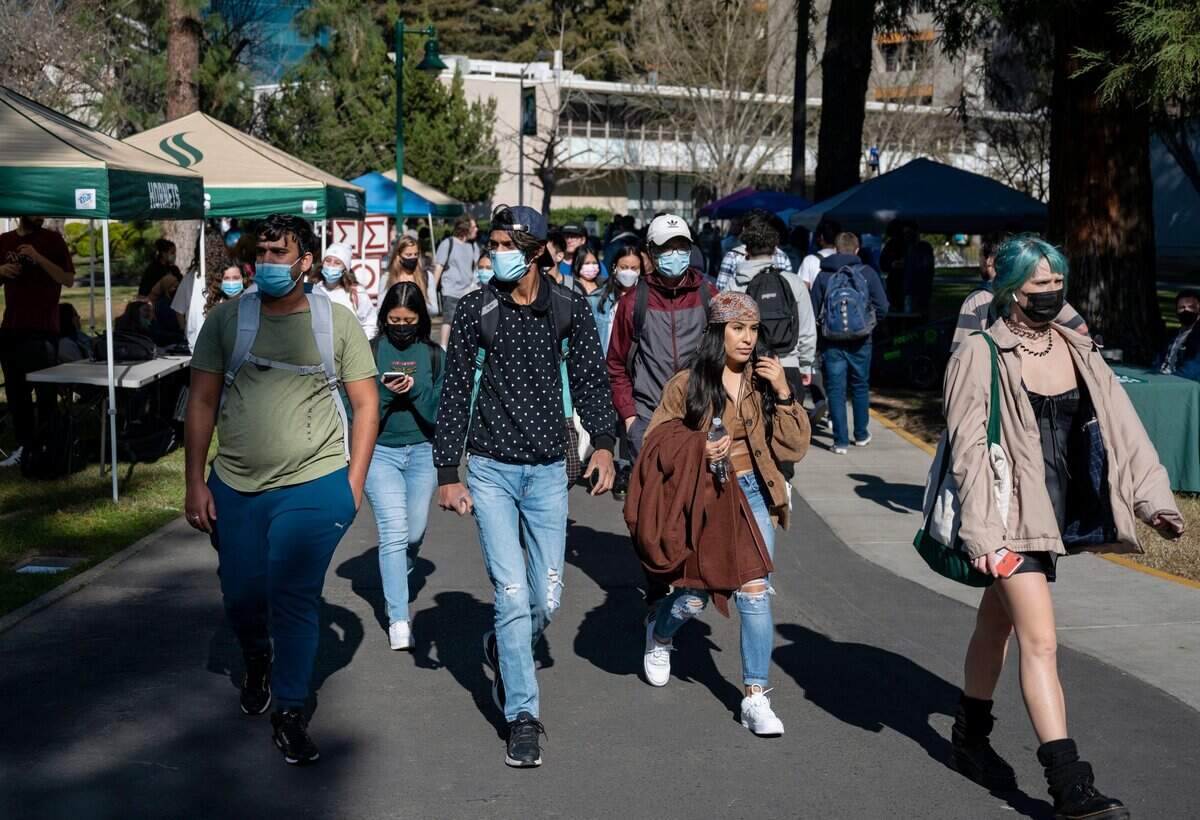
Aquino Irving is an extrovert, as eager as anyone to resume normal life. She hasn’t seen her parents in over two years, and her pandemic socializing has been mostly limited to outdoor gatherings with her siblings and girlfriends who are mindful of COVID safety.
Her 4-year-old son is too young to get the vaccine, and Newsom’s announcement this week that masks won’t be required in schools after March 11 adds another layer of risk and anxiety.
“Wearing a mask is the least you can do. It’s a courtesy” for the vulnerable, Aquino Irving said. “I look as healthy as anyone else. But you have no idea who is immunocompromised in your community.”
At this point, her request is simple: Don’t forget about people like me.
This story was originally published March 4, 2022 at 5:00 AM.