
Donald Trump and his California lawyer might have broken the law. Sound familiar?
A California judge decided this week to review over 100 emails that Donald Trump’s attorney John Eastman sent and received around Jan. 6, 2021, for possible disclosure to the congressional committee investigating the Capitol attack. That can’t be an encouraging development for Eastman given his habit of writing down things he probably shouldn’t have.
The former dean of the law school at Southern California’s Chapman University didn’t just compose an infamous memorandum detailing how then-Vice President Mike Pence could impede Joe Biden’s legitimate election. He also acknowledged that what his coup memo advised was likely illegal in an email to the vice president’s lawyer on the day of the insurrection, maintaining that Pence should refuse to certify Biden’s victory even though it would be a “relatively minor violation” of federal law.
The evidence is accumulating, in other words, that when the American electorate threatened to make Trump what he feared being most — a loser — he sought the services of what the fictional methamphetamine dealer Jesse Pinkman once called a criminal lawyer.
Lawyers for the House select committee revealed Eastman’s email in the course of arguing that his communications are not protected by attorney-client privilege because they pertained to crimes still in the offing, namely obstruction of an official proceeding, conspiracy to defraud the United States and common law fraud. Under the so-called crime-fraud exception, lawyers’ communications with their clients are not protected when they concern ongoing or future crimes.
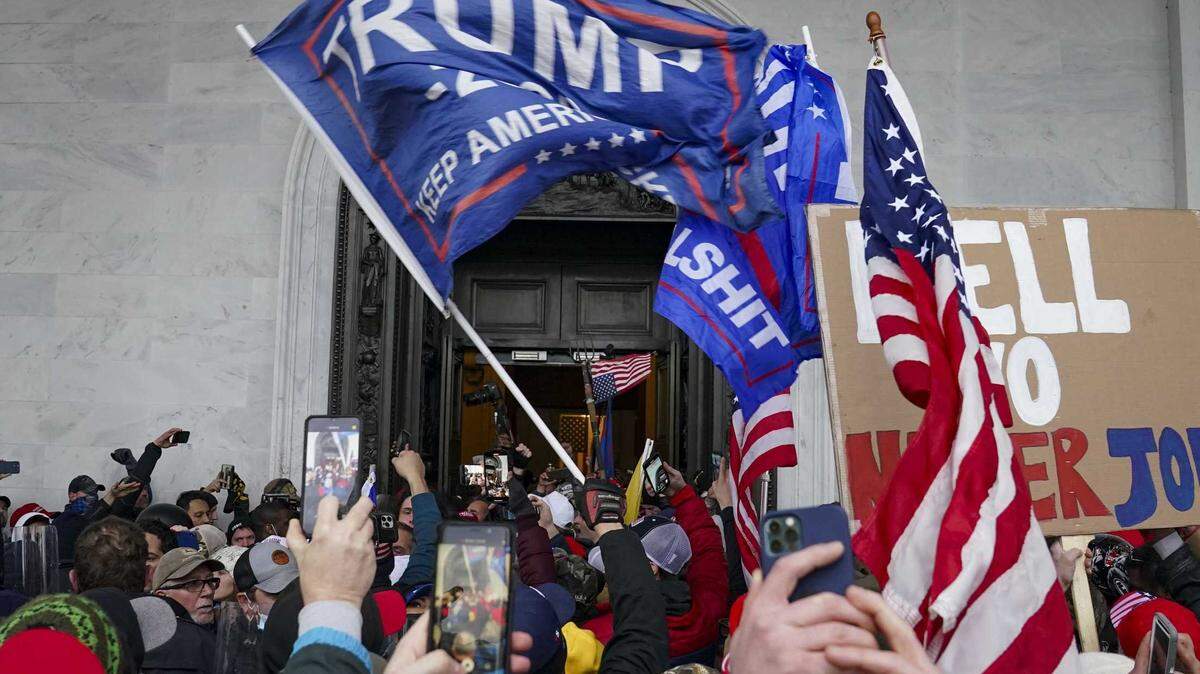
The committee is alleging not only that Eastman and other unspecified Trump associates may have committed such crimes but also that the former president himself did. Not that Trump’s role in siccing a violent mob on the seat of Congress amid a public, concerted and counterfactual campaign to undo the election was ever a mystery worthy of a detective novel.
The committee’s potential fraud and conspiracy case against the president joins allegations of incitement of the Capitol riot itself; the election fraud allegations under investigation in Georgia; the Trump Organization financial practices being probed in New York; the extortion, campaign finance and appropriations violations implicated in Trump’s first impeachment over his communications with Ukrainian President Volodymyr Zelensky; the crimes to which another Trump lawyer, Michael Cohen, pleaded guilty in admitting to paying off the former president’s purported paramours; and the multiple instances of obstruction of justice painstakingly detailed by Special Counsel Robert Mueller.
The committee’s charges created an understandable stir when they first appeared in court filings last week. What’s more remarkable, however, is how routine such credible allegations of lawbreaking have become with respect to the former president — and how little they have come to so far.
This story was originally published March 12, 2022 at 5:00 AM.