Allexis Holmes’ all too typical experience seeking protection from Kings’ Richaun Holmes
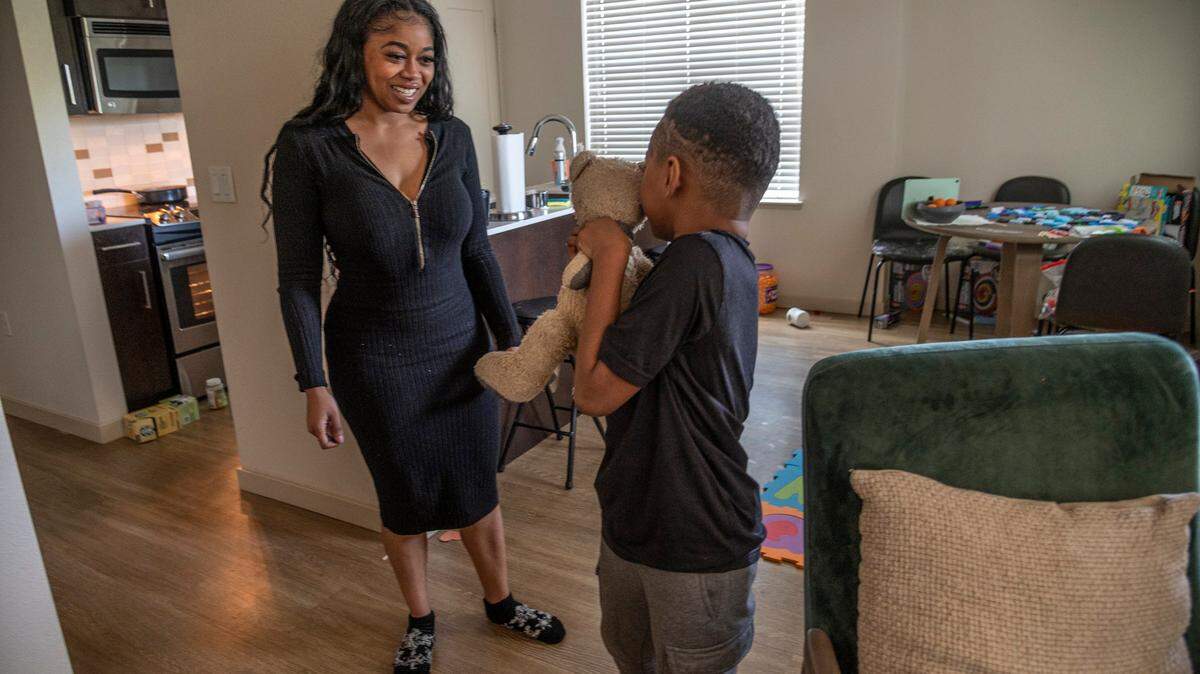
There was a great deal of interest when the news broke that Sacramento Kings center Richaun Holmes was accused of domestic violence by his ex-wife, Allexis. There was less interest last week when Allexis Holmes gave a fuller account of her alleged abuse at the hands of her 6-foot-10 husband. And there was even less interest Wednesday when a Sacramento County Superior Court judge rejected the restraining order she sought against her ex-husband.
The hearing was open to the media and the public via Zoom. Neither Richaun nor Allexis Holmes spoke much during the proceedings. Allexis Holmes looked crestfallen, like she was losing her grip on anything that might float.
It appeared to take everything Allexis had simply to show up. She seemed vulnerable. The lawyer representing her husband seemed anything but.
In many ways, it was typical of what women endure when they confront men with domestic violence allegations.
Any hope Allexis had that a court would finally side with her disappeared as Sacramento Court Commissioner Kimberly Parker dismissed her request for a restraining order on behalf of her 6-year-old son. Parker ruled that the proper venue was the custody court in Los Angeles County, which considered the case previously. Allexis had already been denied a restraining order there.
Experts who work with victims of domestic violence say the courts are frequently ill-equipped to protect victims.
“Very often, both the victim and the courts really underestimate the fact that the abuser — if they’ve abused — their partner is likely to abuse the children as well, and they put children at risk,” said Beth Hassett, chief executive of WEAVE (When Everyone Acts Violence Ends), which serves domestic violence and sexual assault survivors in Sacramento County. Hassett was not commenting on the Holmes case in particular, but rather on domestic violence in general.
According to the California Women’s Health Survey, about 40% of women in the state will experience intimate partner violence during their lifetimes, and the incidence has gone up substantially since the beginning of the pandemic. In 2020 alone, California law enforcement agencies received more than 160,000 domestic violence-related calls. Nearly 2,000 were made in Sacramento, according to the California Partnership to End Domestic Violence.
Simply filing a temporary restraining order requires filling out more than 50 pages of paperwork, Hassett said. Once that paperwork is completed, it’s time to find an attorney, which can be challenging, and then attend a hearing in which the victim must face their abuser in court.
“Very often, the abusive partner has an attorney, especially if they’re the ones that have access to their family funds,” Hassett said. “So very, very often you’ve got a skilled family law attorney representing the abuser and the victim not being represented by anybody … which is very traumatizing for a victim.”
Hassett said that Sacramento County has just one judge who hears all restraining order cases.
“There’s kind of a disconnect between having gotten the restraining order and then the orders that come down later on in the case,” which typically come from a different judge, Hassett said. “So it can feel a little bit disjointed for victims.”
Allexis and her son have left their apartment now that the protective order expired. She said they were planning to go a local shelter for domestic abuse victims until she can figure out her next steps. It’s the last resort for a woman with dwindling options and fading hope.
She’s not famous or popular like her husband, and her support system is in Atlanta, not Sacramento. Allexis is worried that speaking publicly about her allegations will make it seem as if she’s seeking attention or fame. What’s most upsetting is that she knows that there will likely be no justice in this case — just more pain.