
Loss of Sacramento shooting victim Greg Grimes a reminder of what we value more than life
Basketball was Greg Najee Grimes’ first love, but football was in his DNA. So eventually he switched role models, trading NBA legend Charles Barkley for NFL great Warren Sapp, and became a star defensive lineman for Inderkum High School.
He was such a natural that his father, Gregory, who played safety at the University of Washington in the late 1970s, once referred to him as “the second coming.” Opposing offenses often had to triple-team Grimes.
He returned home to Sacramento after a notable collegiate career helping Boise State become a national powerhouse more than a decade ago. They lost just four games while he was on the roster and won four postseason bowl games, including the Fiesta Bowl in 2009, when Boise State finished the season 14-0.
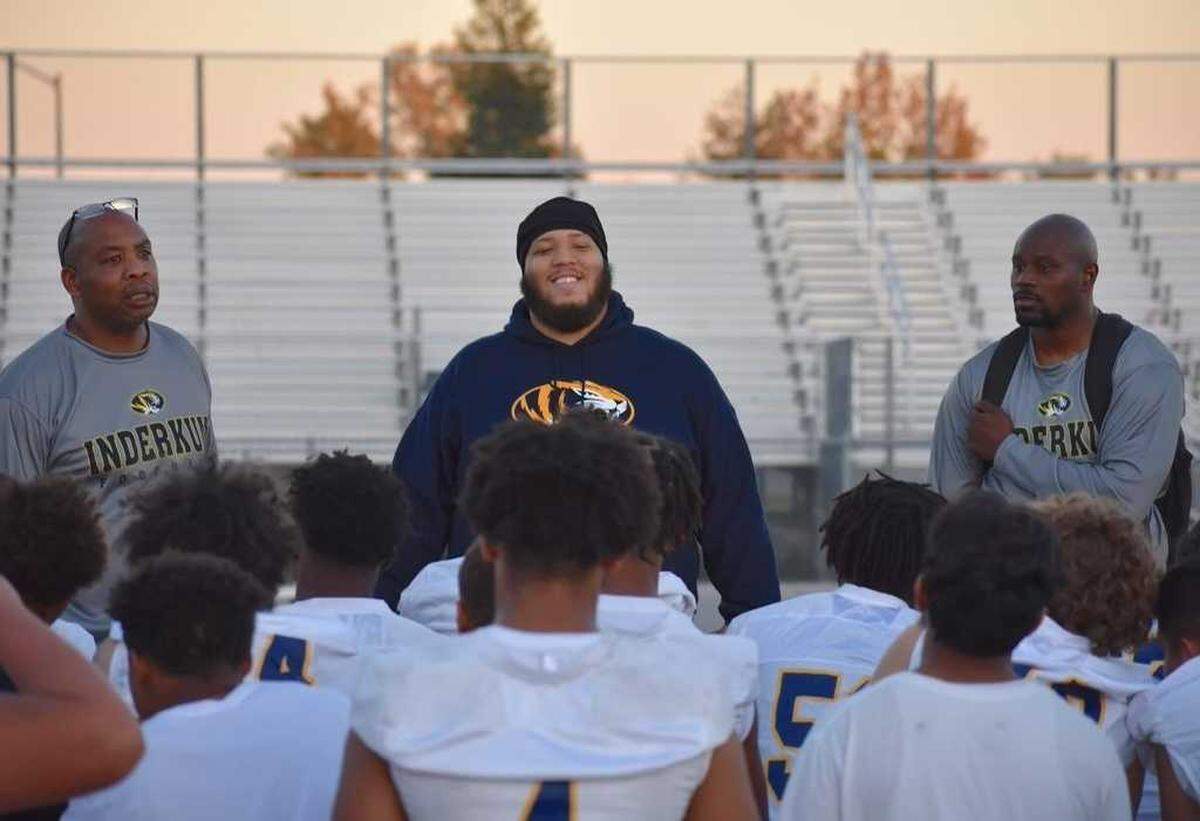
Grimes wanted to mold future generations of young Sacramentans to follow in his footsteps and took up coaching. His mother, Deborah, told The Bee that he had recently started his own business.
Grimes was writing his next chapter and deserved a chance to realize his newest aspirations. Instead, we’re mourning him after another senseless shooting in downtown Sacramento.
Grimes died after three bullets tore into his chest while he was standing outside Mix nightclub around 2 a.m. Monday. Four others were injured.
For some, Grimes will ascend into folklore as another lost son of the city. For others, he will become a symbol of a broken society’s toxic relationship with guns and the systemic deprivation of humanity that allows fleeting evil to squeeze the trigger in the direction of others.
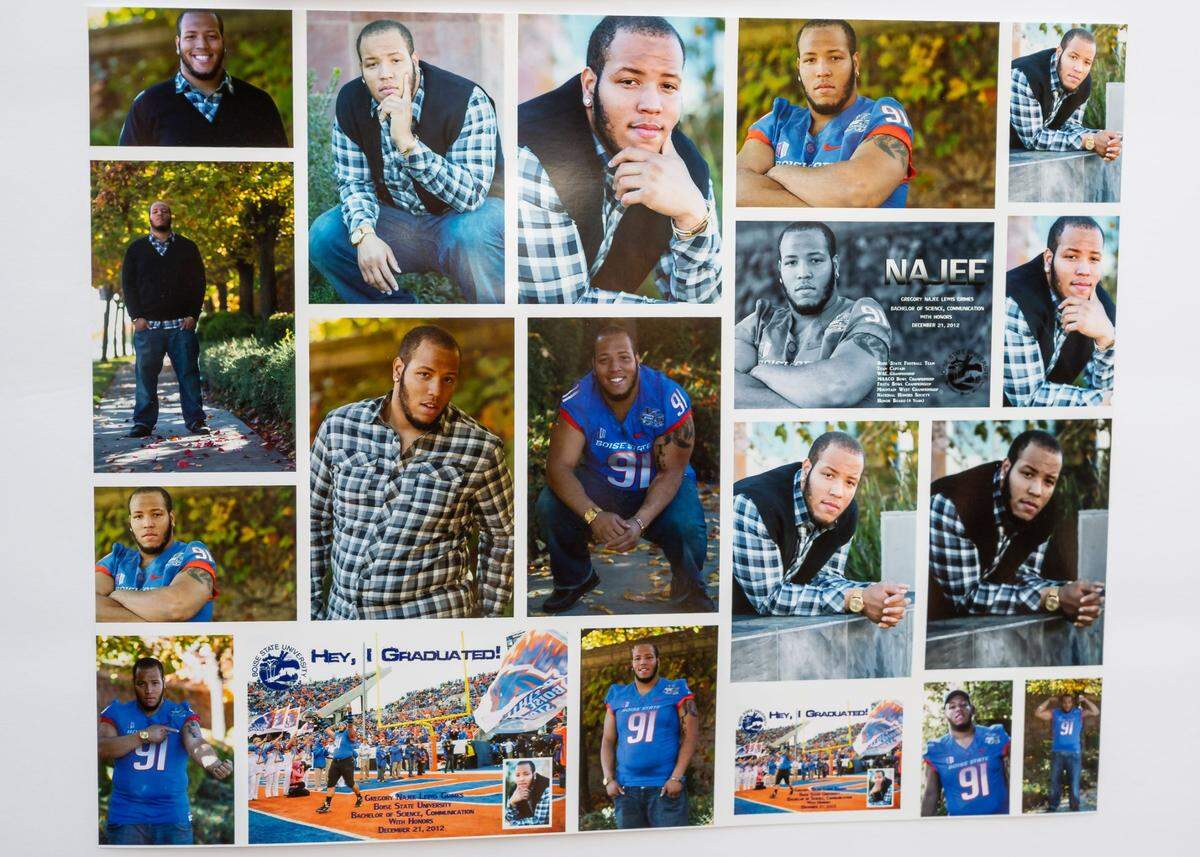
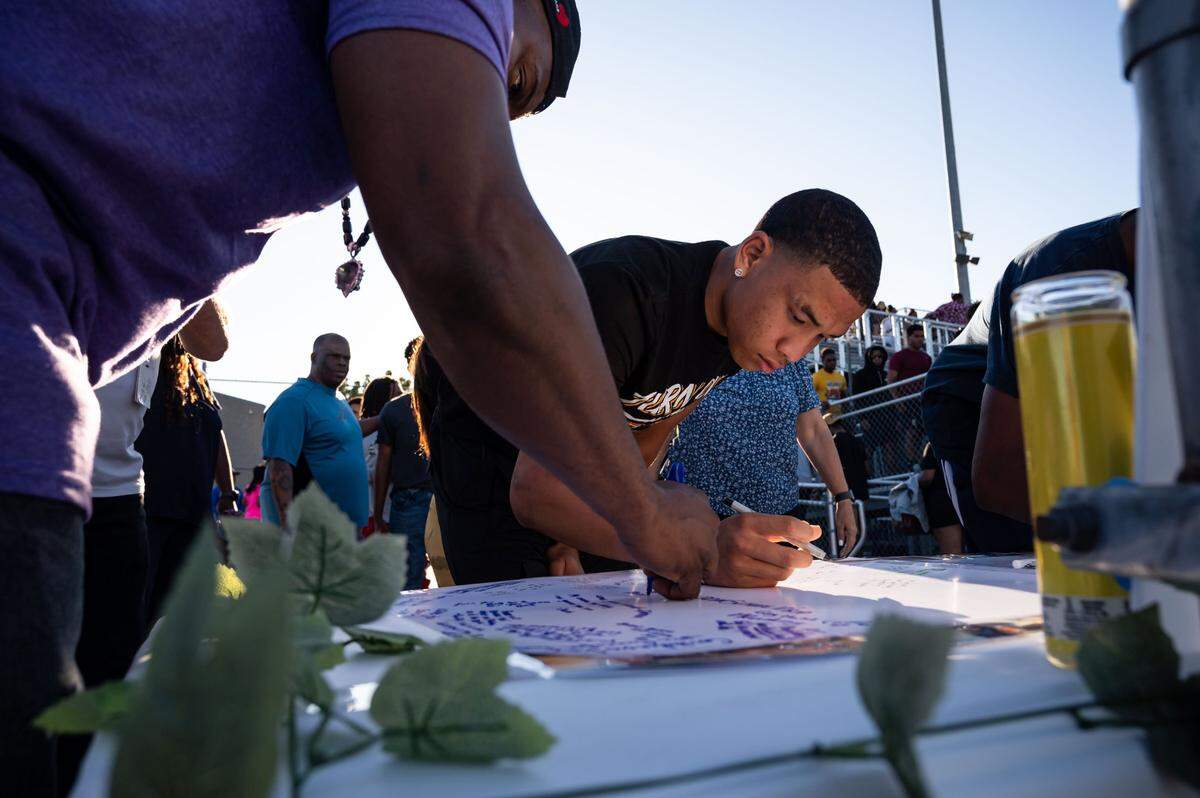
“He was so happy about the legacy he was creating,” his mother said at a vigil Tuesday. “He was so proud and happy about his son, about being a daddy. That was so precious to him. That house was for (his son) Ace.”
Grimes had much to celebrate beyond the Fourth of July. He was debt-free after recently paying off his college and car loans, and he had just gone into escrow on a new home, his mother said. He had overcome all the barriers to economic mobility facing many young people, and he had begun envisioning generational wealth for his 4-year-old son, Jaceyon (“Ace” to those who know him).
Grimes’ senseless death has devastated his family and left another hole in a Natomas community still mourning the shooting death of another 31-year-old, Giovanni Pizano, better known as DJ Gio. The two were friends.
There is much we still don’t know about the night Grimes was killed, including who did it. But what we do know is that nothing will justify the gunfire that was unleashed once again on a crowded downtown street. The problem is, first and foremost, the guns, namely their presence at epidemic proportions in our communities. But as several coaches who spoke at the vigil noted, the problem is also what drives us to use them.
As a nation and as a people, we failed Grimes. Our inability to overcome political indifference and partisan gridlock is to blame. The gun lobby is to blame. The systemic forces that shape such horrific uses of civilian arms are to blame. Our numbness to preventable death and the apathy that usually follows are to blame.
We heard the consequences in the cries of disbelief from Grimes’ mother Tuesday night — in the rare public moments of anguish that disrupted the remarkable composure she has shown since her son was killed.
Losing Grimes means that generations of young people will miss out on the football and life lessons he was eager to pass on. His parents will miss out on the pride they would feel in his future successes. His son will experience the immeasurable loss of living without his father.
But all of us can learn from his example and the life he hoped to have in Sacramento. Grimes recognized the value of being part of the village that shapes each child. His unnecessary death is a reminder of what we lose when the power to end lives is valued more than their preservation.
This story was originally published July 8, 2022 at 5:00 AM.