Most ‘Venmo pitches’ are for beer or gas money. This California mom wants a college degree
You might have seen them on the highway — those goofy Venmo pitches scrawled on car windows in the hope of cadging a few bucks from kind-hearted strangers.
“I’m finally 21! Buy me a drink,” they might say.
Or, “Headed to Vegas. Need gas money.”
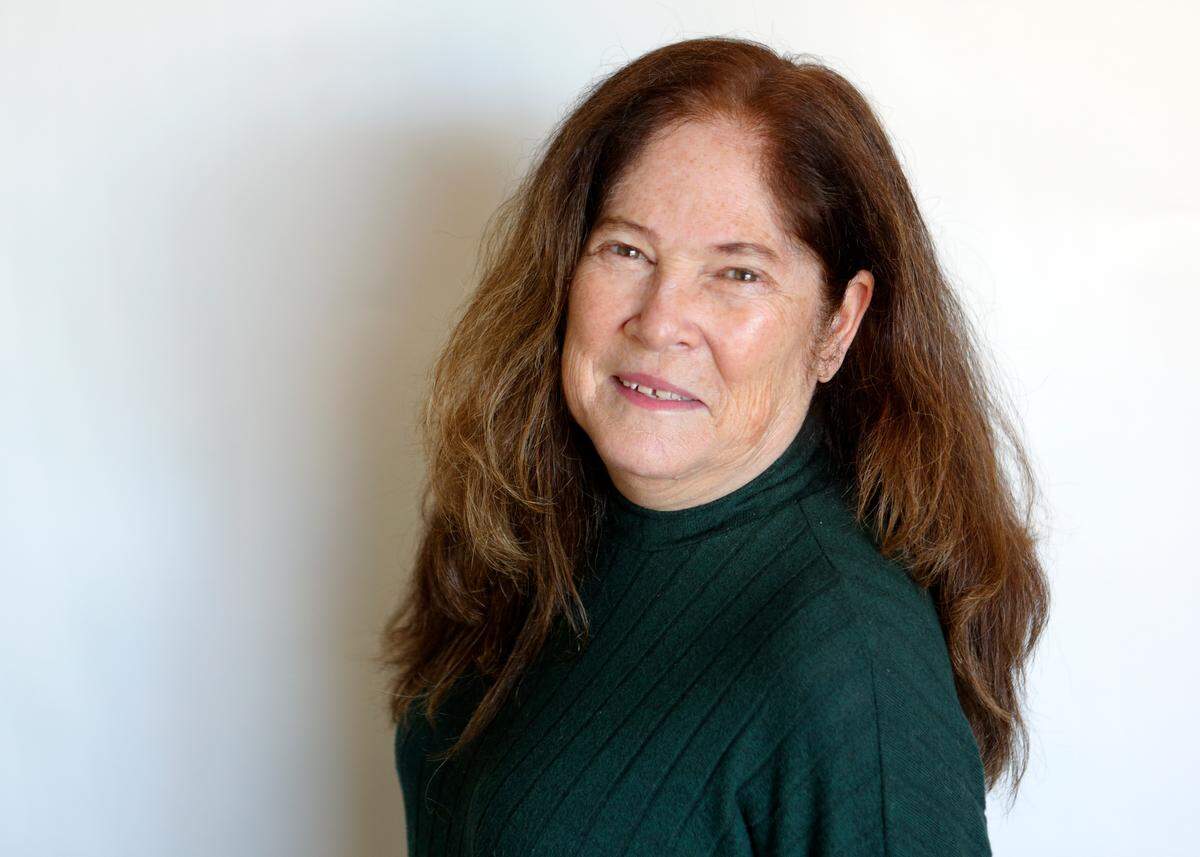
Alyssa Salazar, a re-entry college student who lives in San Luis Obispo County, saw those messages and decided, why not?
But instead of asking for donations to buy booze or vacation trinkets, she’s hoping to raise money to help cover living expenses while she studies for a degree in nutrition and dietetics.
Salazar, 36, has plastered the windows of her silver Toyota Rav-4 with a mini-resume.
Single mom.
Works full-time.
College student with a 3.02 GPA.
Then comes the pitch: “Money is tight,” followed by her Venmo address: @Alyssa-Salazar-2
She hasn’t made a lot so far — less than $100 — but the donations she did receive came at just the right time.
“It has been lifesaving in the moment I’ve gotten it,” she said, “Like I had no gas in my car.”
‘California’s unaffordable for single parents’
Salazar moved to Paso Robles from Southern California for the express purpose of attending Cuesta Community College and then transferring to Cal Poly in San Luis Obispo.
She’s been carrying a full academic load at Cuesta; this semester it’s chemistry, biology/anatomy, U.S history and principles of food.
She works full-time for a grocery delivery service — a job that provides the flexibility she needs to be able to attend school and care for her 7-year-old daughter.
If all goes well, Salazar figures she’ll have her master’s degree by the time she’s 41.
In the meantime, it’s a financial slog.
She rents an apartment for $1,655 a month, but that’s going up to $1,832.
Then there’s gas. Not only does she drive for a living — sometimes traveling as far as 50 miles round-trip for one delivery — she also takes her daughter to Southern California twice a month so she can visit her father.
“California’s unaffordable for single parents,” Salazar said. “One of the hardest things is getting child care and being able to work.”
She would move out of state, she said, but that’s not possible due to her child custody arrangement.
So, she economizes however and whenever she can.
She’s picked up groceries at the Food Bank.
Clothes shopping is done at thrift shops; she rarely buys anything new.
She knows which restaurants offer good meal deals when she wants to give her daughter a treat and save herself from having to cook — giving herself more time to study.
She receives some financial aid, she said, but not enough to cover expenses.
In addition to rent, Salazar pays around $250 per month for utilities and $600 for food. She’s also paying off debts that include a car loan. And while she arranges her schedule so she can spend as much time as possible with her daughter, she also has child-care expenses.
Students choose between paying the rent and eating
Hers is not a unique situation, according April McGee, a technician who works in the office of Extended Opportunity Programs and Services at Cuesta.
For all the focus on the hardships imposed on students stuck with paying off huge student loan debts, many currently in school are struggling, too.
Sometimes students have to choose between paying rent and eating, McGee said, even when they do receive financial aid.
That’s especially the case in high-rent areas like San Luis Obispo County.
According to an off-campus housing analysis by Porch.com, the SLO-Paso Robles area is the fourth-least affordable small metro area in the United States for student renters, ranked No. 166 out of 169 locations. And it’s the 11th-least affordable when all metro sizes are grouped together.
Housing can be especially tough for students who are parents, since their choices are more limited. Renting a bed in a house full of partiers isn’t an option, for instance.
Salazar hopes to cut down on rent by buying a motor home and renting a space to park it. She figures that could practically slice her housing costs in half.
“It’ll be tight,” she said of the prospect of living in a motor home, “but whatever it takes.”
Financial and moral support
In addition to helping students through the financial aid process, Extended Opportunity Programs and Services provides emotional support — something important to students like Salazar who don’t have family nearby.
“I can go in there and say, ‘I aced the test,’ and they say, ‘Yay!’” she said.
A driven student who strives for A’s, Salazar settled on a degree in a health-related field for a couple of reasons.
She watched friends and family get sick. (On one side of her partially shaved head, she has a multi-colored cancer ribbon tattoo honoring friends and family who were diagnosed with the disease.)
Plus, she worked in customer service in the mail-order pharmaceutical industry and often spoke with customers who couldn’t afford their medication.
“We talk a lot about investing in 401Ks, which is great,” she said. “But what about the retirement of your health, because if you don’t take care of your body now ... I saw seniors spend their retirement (savings) on health.”
She’s a strong believer in the power of good nutrition and is willing to make sacrifices now to earn the degree she needs to help people live longer, healthier lives.
If a Venmo pitch could help her reach that goal, she’s game.
“If you have money, why wouldn’t you (donate) if you’re a giving person?” she asked.
“I can’t wait to have the money to help somebody out.”
This story was originally published August 29, 2022 at 7:00 AM with the headline "Most ‘Venmo pitches’ are for beer or gas money. This California mom wants a college degree."