
The human comedy and animal tragedy that led a federal agency to tell us not to lick toads
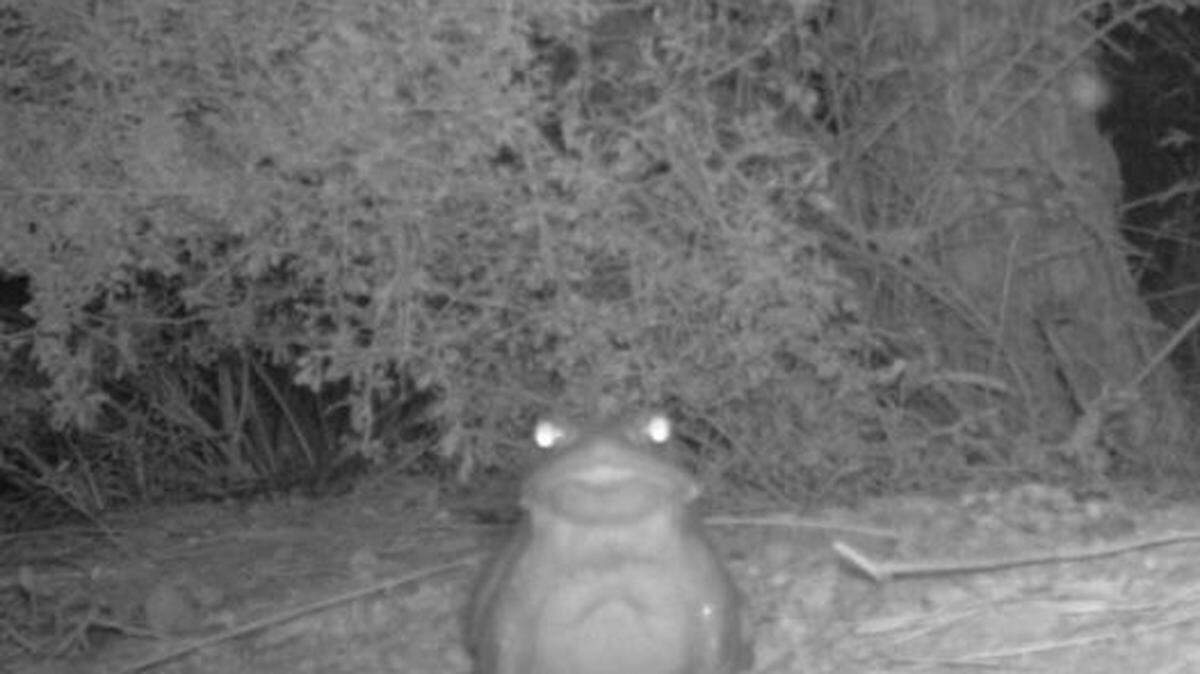
We all know the well-worn fairy tale: A princess discovers a frog. Against her better judgment, she deigns to kiss it, and the frog becomes a prince. Then it transforms into a prince-size, talking cockroach. And then, strangely and suddenly, it becomes God Himself, informing her that individuality is an illusion and all of us, including frogs, are actually one.
The princess, in other words, is tripping. And we all know what happens when someone in America is tripping: The federal government has to get involved. Enter the National Park Service, which recently implored the public not to lick toads.
It seems that people, and not just those of noble birth, have been putting their mouths on various terrified amphibians as a lowly means of trying to get high. Being rather squishy and otherwise vulnerable to predators, many species of frogs secrete defensive poisons, some of which are psychoactive in humans. The secretions of the Colorado River toad, which is native to the Southwestern United States and northern Mexico, contain bufotenine, a derivative of the better-known psychedelic N,N-dimethyltryptamine, or DMT, one of several such substances lately touted by celebrities, enthusiasts and even experts as potentially therapeutic.
That does not, as the Park Service noted, make it OK to nonconsensually mouth the creatures. To its credit, the agency seemed to recognize that this advice was considerably more ridiculous than its usual warnings about putting out campfires, packing up trash and not feeding the animals.
“These toads have prominent parotoid glands that secrete a potent toxin,” the Park Service noted on social media. “It can make you sick if you handle the frog or get the poison in your mouth. As we say with most things you come across in a national park, whether it be a banana slug, an unfamiliar mushroom, or a large toad ... please refrain from licking.”
Besides being dangerous to people as well as cruel and disrespectful to toads, such interspecies encounters reflect an intense interest in the chunky amphibian’s psychedelic properties that may have helped overwhelm certain subpopulations. The Colorado River toad is thought to be “near extinction” in California, according to the Oakland Zoo, and threatened in New Mexico.
Bufotenine, meanwhile, is classified as a Schedule I controlled substance, putting what is essentially frog juice among the illegal drugs taken most seriously by federal agencies that do not share the Park Service’s sense of humor. The related highly illegal substance DMT also happens to be among the hallucinogens that would have been decriminalized in California under a bill by state Sen. Scott Wiener, D-San Francisco, which would have eased more conventional means of access to such drugs if his colleagues had not surreptitiously squashed the measure like a toad earlier this year.
It’s enough to make one wonder whether sensible human drug policies would be more effective than park advisories in reducing amphibious assaults.