Homelessness starts with affordable housing, but this proposal can’t even get a vote | Opinion
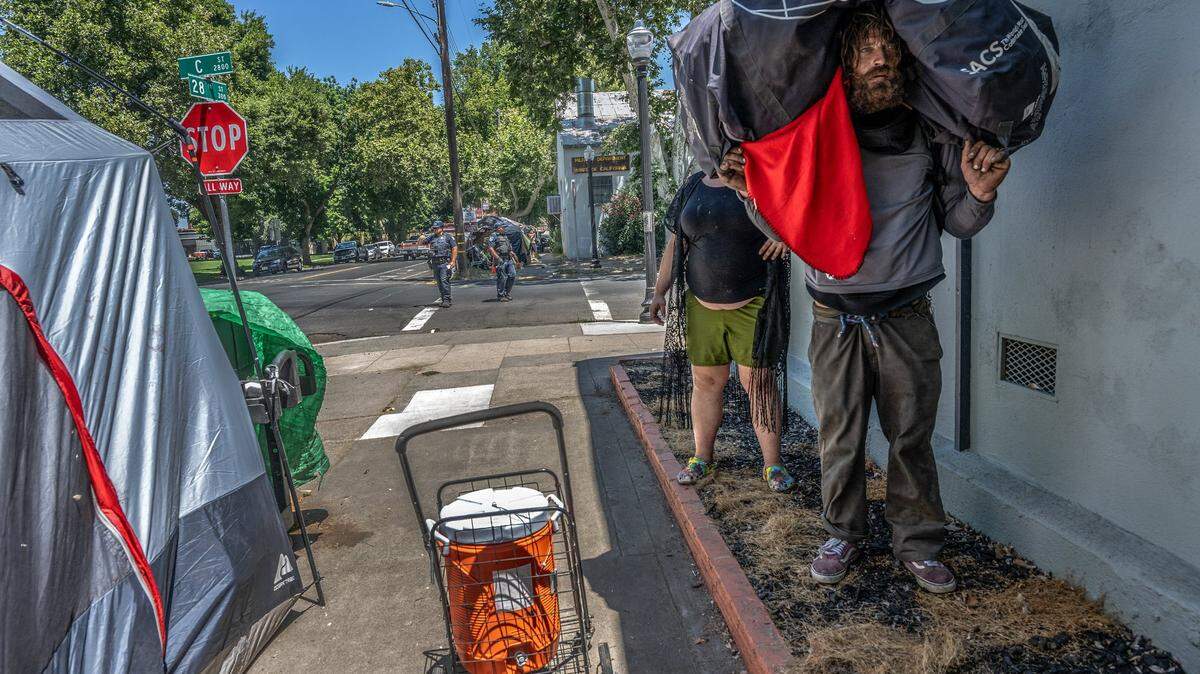
A proposal to create more housing in Sacramento must succeed if the city ever hopes to solve the pervasive issues of homelessness that daily affects every resident — yet it may be two votes short of passing at the full city council.
The Sacramento Forward proposal would put a fundraising measure on the 2024 ballot, extend the Tenant Protection Program, implement support programs such as emergency rent assistance and increase developer fees. Among other housing and tenant protection goals, it would also adopt the Sacramento Opportunity to Purchase Act, which would require any tenant building listed for sale to be sold to the tenant or eligible community group if they can meet the initial listing price.
The proposal is already supported by the Northern California Carpenters Regional Council, the Sacramento Community Land Trust, the Alliance of Californians for Community Empowerment and SEIU 1021, and it recently gained the support of City Councilmembers Caity Maple, Katie Valenzuela and Mayor Pro Tem Mai Vang at last Tuesday’s Law and Legislation Committee meeting.
Councilmembers Lisa Kaplan and Eric Guerra, however, raised concerns regarding the proposal. Guerra said it would disincentivize developers from choosing to build in Sacramento and Kaplan agreed. Developers and real estate agents argued with the committee, saying that if developer fees go up, they will stop building affordable housing in Sacramento and move their business to the suburbs.
I say if Elk Grove and Roseville want predatory development, let them have it.
Per usual, the fight comes down to how much money local developers can bilk out of a project: Developers in Sacramento only pay $3 per square foot into the city’s affordable housing fund, while developers in San Jose pay $43; in Portland, it’s $27; and in San Diego, it’s $25. What Sacramento’s new developer fee might be is yet to be decided, but at the current charge of $3 per square foot, it’s a small wonder there’s thousands of homeless people and not enough affordable housing in this city.
The California Apartment Association went on record with The Bee calling the proposal “a litany of bad ideas,” but it’s patently clear they’re grasping to a waning influence in a city that is 52% majority renters, according to the latest numbers from the city.
How is it a bad idea to make a percentage of all new units affordable for low- and very-low-income households? How is it a bad idea to provide tenants free legal assistance to fight eviction cases or reduce the number of annual rent increases allowed? It’s only a bad idea if your goal is to protect the encroaching, predatory practices that landlords, builders and developers have enjoyed for far too long, creating the extensive housing problem Sacramento finds itself mired in today.
The city of Sacramento — and, specifically, Councilmembers Guerra and Kaplan — cannot allow themselves to be swayed by the foot-stamping, petulant demands of wealthy developers. Yet both Guerra and Kaplan have accepted tens of thousands of dollars in campaign donations from both the California Apartment Association and California Association of Realtors, making their votes on this topic highly suspect.
A lack of affordable housing is where homelessness starts.
To avoid worsening that crisis, this city must encourage affordable housing developments that middle-class and low-income Sacramentans can buy, and protect the basic rights of every renter and tenant. The very same Sacramento residents who are hired to build these overpriced communities — the trades workers — are underpaid and thus priced out of their own neighborhoods. Some have already wound up living on the streets, socially demonized and left to rot as the city and county struggle to provide even basic services. No worker should have to build a housing development if they can’t afford to buy a home there.
The mayor should agendize this issue regardless of its vote in committee, allowable under rules his office pushed through earlier this year. Then, the full Sacramento City Council must approve this proposal. We must begin to take the hard steps of saying no to the wrong kind of development, even if it means saying no to potential investments.
Maybe that means less money now for the city and for our elected leaders’ political campaigns, but it’s the only recipe for a healthy, housed community.