
Chances are that your personal finances will take a hit in October. Here is why | Opinion
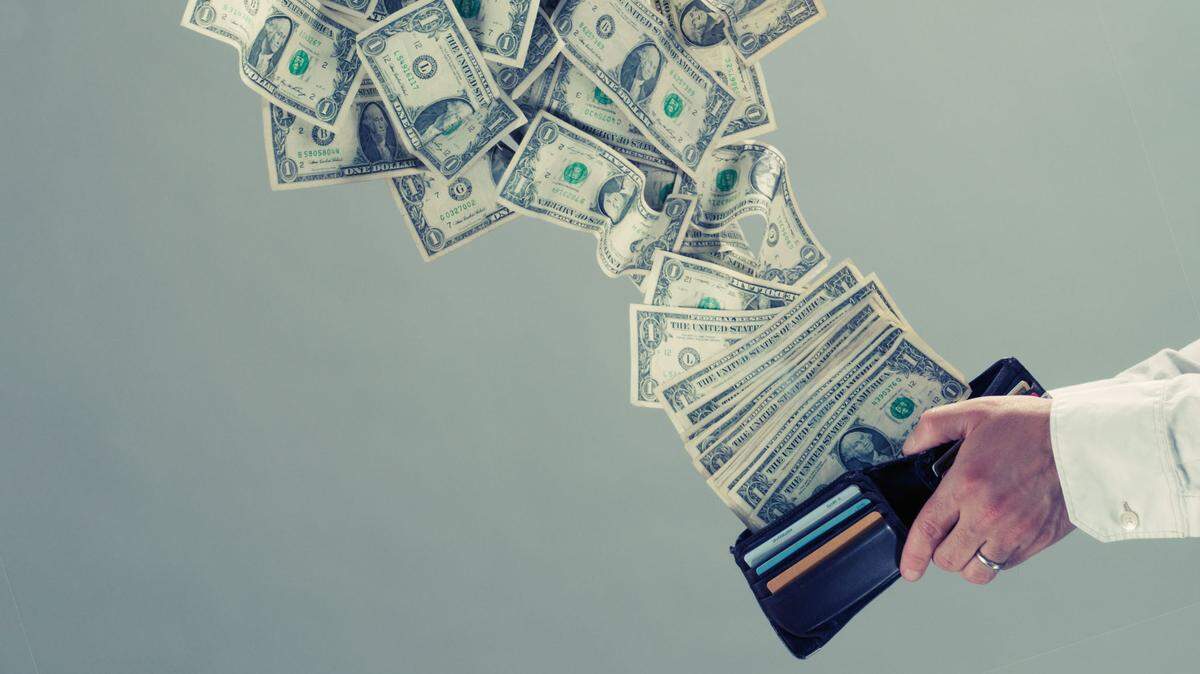
California — for now — has avoided the potential financial impacts of a federal shutdown, but this October, government is definitely not here to help. Even without the shutdown, Sacramento and D.C. are about to deliver three lumps of coal to the California economy just in time for the holidays. Call it our Dark October.
Some of this is just bad timing. But most of this is the post-Covid economy beginning to unfold as the suspension of bills and some temporary subsidies come to an end.
Untold parents are about to feel the pinch. And some college graduates. And those who owe Uncle Sam and have delayed the day of reckoning until that day finally arrives. It all goes down this month.
Taxes
Normally April 15 is the day of reckoning for Californians, both with their state and federal tax returns. Those who owe taxes got a rare reprieve because this winter it rained... a lot. With the weather creating official emergencies throughout the state, Governor Gavin Newsom signed an executive order in March that delayed the tax filing deadline until Oct. 15.
Californians who were destined for refunds should have filed by now. Many who owe undoubtedly have waited. The mystery has created questions about tax revenues for a state budget that is now in the fourth month of its fiscal year. Regardless, for those who have put off paying their taxes, the holiday is about to be over.
The state Department of Finance estimates that California households have yet to pay $28.4 billion in personal income taxes. Businesses, meanwhile, have yet to pay an estimated $13.3 billion in corporate taxes. This amounts to about a quarter of all income tax revenue for this fiscal year and about a third of the business tax. And these are estimates.
“If a lot of money is going to come in, that is going to help the budget,” said Stephen Levy, director and senior economist for the Center of the Continuing Study of the California Economy in Palo Alto. Then again, if Sacramento collects less money than it is predicting, there will be a larger beginning deficit for the 2024-25 budget process and greater pain for Newsom and legislators to true up next year’s budget in June.
Student Loans
Payments on federal student loans have been suspended since the pandemic. President Joe Biden tried to forgive this debt for millions of lower-income American families, but his administrative action was ruled as unconstitutional in June (as something only Congress can do) by the U.S. Supreme Court.
The suspension ends — you guessed it — in October.
An estimated 28 million Americans have a monthly payment obligation that is returning to their budgets.
A respected financial institution estimates that one in three American households must now prepare to add another bill to the monthly pile. And that bill will be substantial. Imagine absorbing an additional $1,000 in monthly costs, on average, into your personal budget. That is what families across California and the nation are about to face as the cost of higher education comes roaring back.
Child Care
The federal government, under two presidents since the pandemic, has provided more than $20 billion in relief to sustain child care programs throughout the country to providers.
That program, known as the American Rescue Plan Act, stops coming to the rescue, again you guessed it, in October.
The Century Foundation, with offices in New York and Washington, D.C., estimates that as many as 70,000 providers will lose their jobs and 3.2 million children lose their daily care across the nation. In California, more than 84,000 children may be about to lose their child care as more than 13,000 child care programs close due to a lack of funding. Parents would lose an estimated $289 million in annual income as they have to stay home more and work less to care for their children. For those facing this prospect, it will be a big deal.
Aside from these direct government-driven impacts, there are other big forces in the economy now at play, some good and some bad. Levy in particular worries about higher housing costs due to California’s inability to build enough of it, plus higher interest rates that are driving up the cost of car loans and credit card debt. On the other hand, “For regular residents, there has been a whole series of wage increases,” such as for fast food and health care workers.
Credit card debt, meanwhile, has been on the rise for about two years. The nation collectively is carrying more than a trillion dollars in balances for the first time ever as of this summer. That is not as bad as the federal deficit, which was about 50 percent higher than that in 2022. But they both reflect an unresolved debate over spending, both at home and in the halls of power.
If it all feels unsustainable at times, that is because it is. If this happens to be a rough month for your personal finances, you may have plenty of company.