
CapRadio sticks Sacramento State with the bill for station’s grandiose downtown vision | Opinion
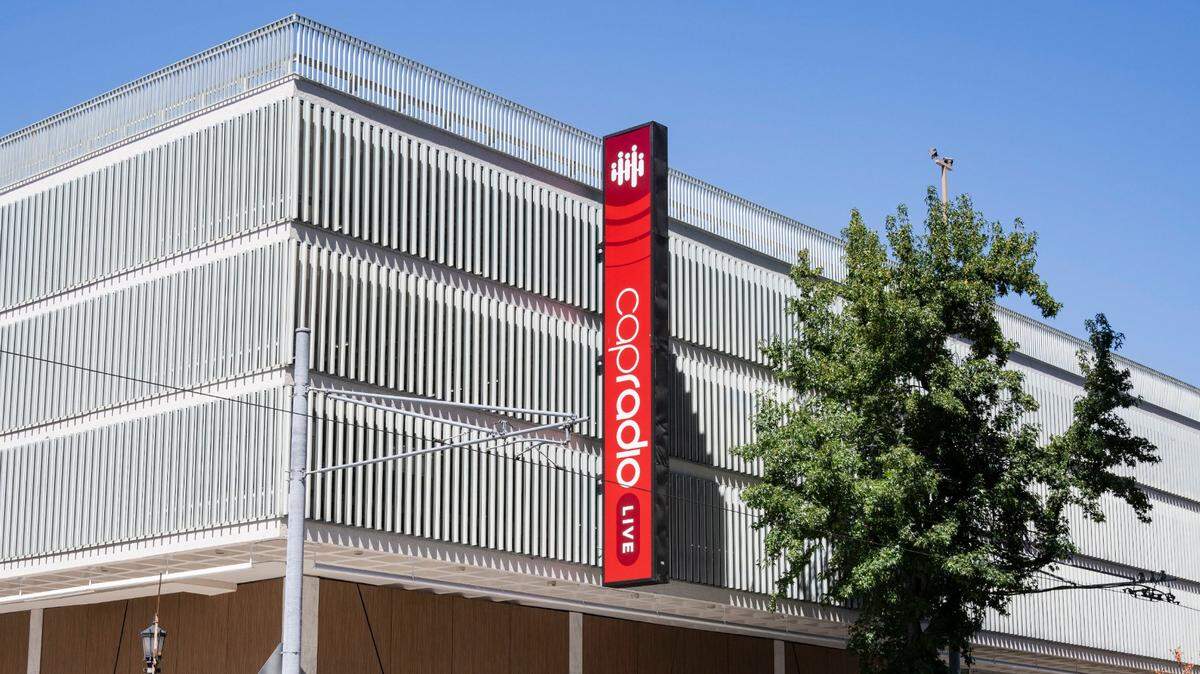
Sacramento State’s sudden takeover of its financially troubled Capital Public Radio may save the station, to the relief of its listeners and journalists. But in his first big decision since arriving two months ago, university President Luke Wood is bailing out the station from its ill-conceived plan to leave campus for new downtown offices that it could never afford.
Given the thicket of financial obligations he has inherited, Wood may have had no other choice. The findings of a new audit by the California State University system reveal an unprofessional financial mess that is far from cleaned up. And it all stems from an indefensible decision to move downtown that nobody stopped.
The university holds the station’s license, and CapRadio is supposed to enhance the educational experience of Sacramento State’s students. But the audit shows that precious few of them have set foot in the station in recent years, with “limited student involvement.”
Abandoning the campus for gleaming new downtown offices was nothing short of an insult to the university. Yet Sacramento State not only went along with the idea, the university borrowed $8 million to make it happen. The audit says that this decision was made by then-Sacramento State President Robert S. Nelsen in consultation with the CSU Office of the Chancellor.
Only after the radio station stopped making payments on the loan did the university slowly begin to dig a little deeper; then Nelsen requested an audit.
But by then, it was too late to avert financial disaster.
Now, Sacramento State must live in the worst of both worlds: It must pay off this loan with state funds that should be spent on educating students. And it is stuck with CapRadio’s long-term downtown leases that never should have been signed.
Based on its financial statements, CapRadio is roughly a $20 million-a-year enterprise. Its demise began in 2016 with ambitions beyond its means.
“In 2016, CPR began a capital campaign intended to reimage the station that included the goal of raising $20 million for the renovation of new leased space in downtown Sacramento,” the audit said.
To double your existing budget for a fundraising drive is a red flag signaling ambition gone wild. This is a region with limited philanthropy. With a who’s who board of directors, CapRadio leadership should have known its fundraising goal was a reach and should have ensured that the station was not at risk of over-extending itself. All CapRadio had to do was remain on campus, with a lease through 2034, until it demonstrated the financial means to move downtown.
Instead, “on March 1, 2021, CPR entered into a lease agreement to rent office space and real property on 730 I Street, Sacramento, to serve as the headquarters of the station,” the audit states.
“The obligation extends through 2037. In addition, on September 1, 2020, CPR entered into a lease agreement to rent real property on 1010 8th Street, Sacramento, to serve as a performance venue commencing September 2021. This obligation extends through 2036.”
Soon, the station was drowning in bills it couldn’t pay.
CapRadio stopped paying for its campus lease. In March of 2021, Sacramento State borrowed the $8 million and thought it had entered into an agreement with CapRadio to pay it back. Instead, CapRadio drew down the entire $8 million without signing the agreement (a memorandum of understanding or MOU).
“We reviewed the MOU and found that it was signed by CPR on August 10, 2022, more than 12 months after the May 1, 2021, effective date,” the audit says.
Sacramento State can’t walk away from CapRadio
The bleeding continued this past summer.
“We found that the campus made an additional payment of $1,153,956 in June 2023 to the contractor for the tenant improvements to release a lien on the new location, as CPR had not made full payment,” the audit said. Again, those were campus funds intended for education.
With the audit secretly under way, former CapRadio general manager Jun Reina suddenly resigned in March. Wood recruited Southern California broadcasting veteran Tom Karlo as an interim replacement. Last month, CapRadio announced it was laying off 12% of its staff.
Radio management now will transition to become direct employees of the university. In theory, CapRadio will pay the university back. As for the additional campus costs to oversee the station, “the costs at this time are not fully known,” according to university communications.
Wood did not have the option of simply walking away from CapRadio and letting its board suffer the consequences of its own poor decisions.
“As an auxiliary of Sacramento State, CapRadio cannot file for bankruptcy, and any debt accumulated by the auxiliary is the ultimate responsibility of Sacramento State,” according to university communications.
The new president is stepping up to manage a mess he didn’t make, and he is starting off with the right message: “The financial implications of CapRadio’s mismanagement have significant consequences for Sacramento State, but we will make it through. Now is the time for the community to continue its support for CapRadio. Given the changes the university and CapRadio board are putting into place, donors should feel confident moving forward that their generous contributions will be well stewarded.”
The nucleus of CapRadio — its outstanding journalists and its faithful audience eager for a daily dose of news and information — shouldn’t pay the price for station leaders’ failures. This is one of the region’s bedrock institutions. It needs support more than ever. But CapRadio would truly deserve that support if its leaders could communicate, in candor and detail, with an audience that deserves nothing less. Its self-reported story Thursday about the audit and the university’s press release are a start. During its recent fundraising drive, surely knowing this audit was about to be released, the station provided few details and portrayed its financial challenges as local symptoms of a national trend.
Meanwhile, plans are moving forward for the station to leave campus and move downtown. The symbolism and logistics could not possibly be worse.
Somehow, both Sacramento State and CapRadio lost sight of their mission. With a forensic examination of the operation still to come and the station now officially the university’s financial problem, this is a marriage that is destined for a rocky chapter. Yet this marriage, for the good of the region and CapRadio’s Northern California affiliates, must succeed.
An earlier version of this editorial stated that Capital Public Radio did not make any payments on an $8 million loan made on its behalf by Sacramento State University. In fact, CapRadio made the first three payments of $301,404.59.
BEHIND THE STORY
MOREWhat are editorials, and who writes them?
Editorials represent the collective opinion of The Sacramento Bee Editorial Board.
They do not reflect the individual opinions of board members or the views of Bee reporters in the news section. Bee reporters do not participate in editorial board deliberations or weigh in on board decisions. The same rules apply to our sister publications, The Modesto Bee, Fresno Bee, Merced Sun-Star and San Luis Obispo Tribune.
In Sacramento, our board includes Bee Executive Editor Colleen McCain Nelson, McClatchy California Opinion Editor Marcos Breton, opinion writers Robin Epley, Tom Philp, LeBron Antonio Hill and op-ed editor Hannah Holzer.
In Fresno and Merced, the board includes Central Valley Executive Editor Don Blount, Senior Editor Christopher Kirkpatrick, Opinion Editor Juan Esparza Loera, and opinion writer Tad Weber.
In Modesto, the board includes Senior Editor Carlos Virgen and in San Luis Obispo, it includes Opinion Editor Stephanie Finucane.
We base our opinions on reporting by our colleagues in the news section, and our own reporting and interviews. Our members attend public meetings, call people and follow-up on story ideas from readers just as news reporters do. Unlike objective reporters, we share our judgments and state clearly what we think should happen based on our knowledge.
Read more by clicking the arrow in the upper right.
Tell us what you think
You may or may not agree with our perspective. We believe disagreement is healthy and necessary for a functioning democracy. If you would like to share your own views on events important to the Sacramento region, you may write a letter to the editor (150 words or less) using this form, or email an op-ed (650-750 words) to opinion@sacbee.com. Due to a high volume of submissions, we are not able to publish everything we receive.
Support The Sacramento Bee
These conversations are important for our community. Keep the conversation going by supporting The Sacramento Bee. Subscribe here.
This story was originally published September 29, 2023 at 5:00 AM.