
A Folsom historian doubled for years as Santa. Is he retired, or the real St. Nick? | Opinion
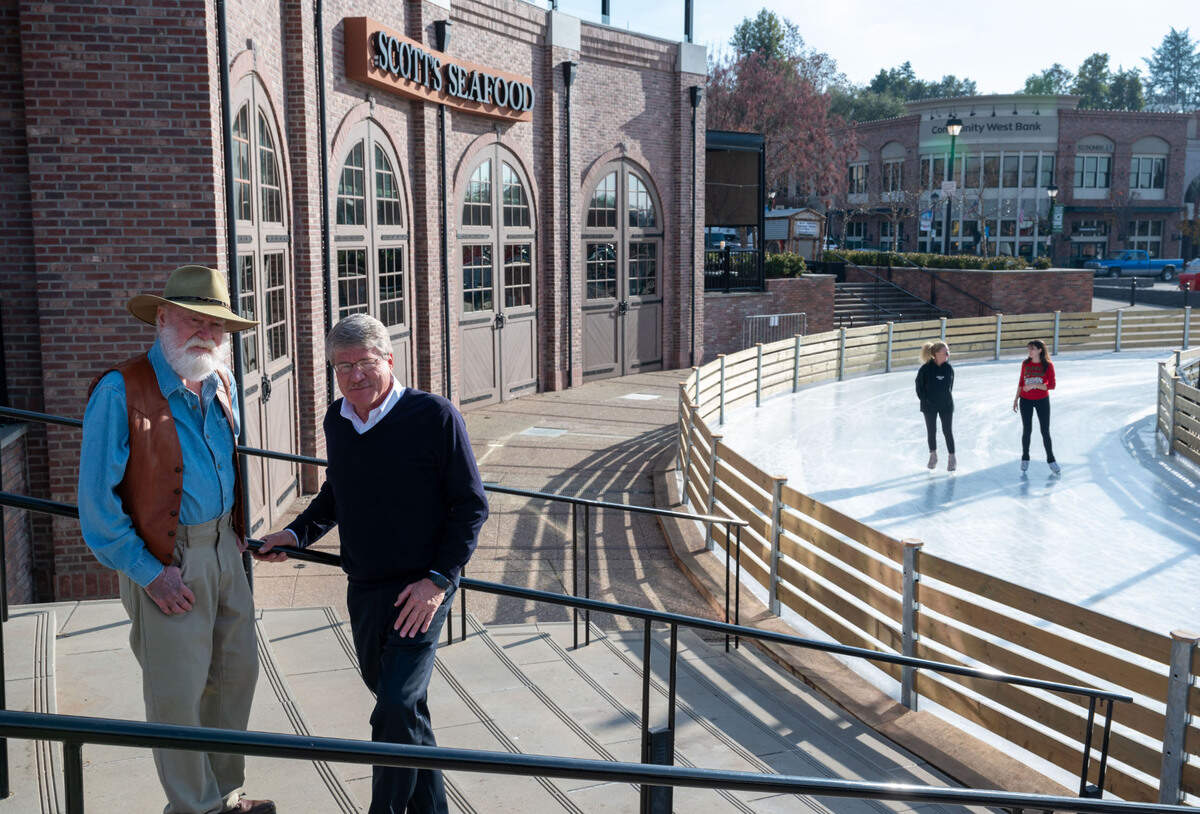
Bill Anderson, 84, of Folsom, swears that he is not the real Santa Claus. But the circumstantial evidence to the contrary is overwhelming.
Wouldn’t the real St. Nick lay low during the year? Working at a place that allows him to survey the land — such as inside the California state bureaucracy?
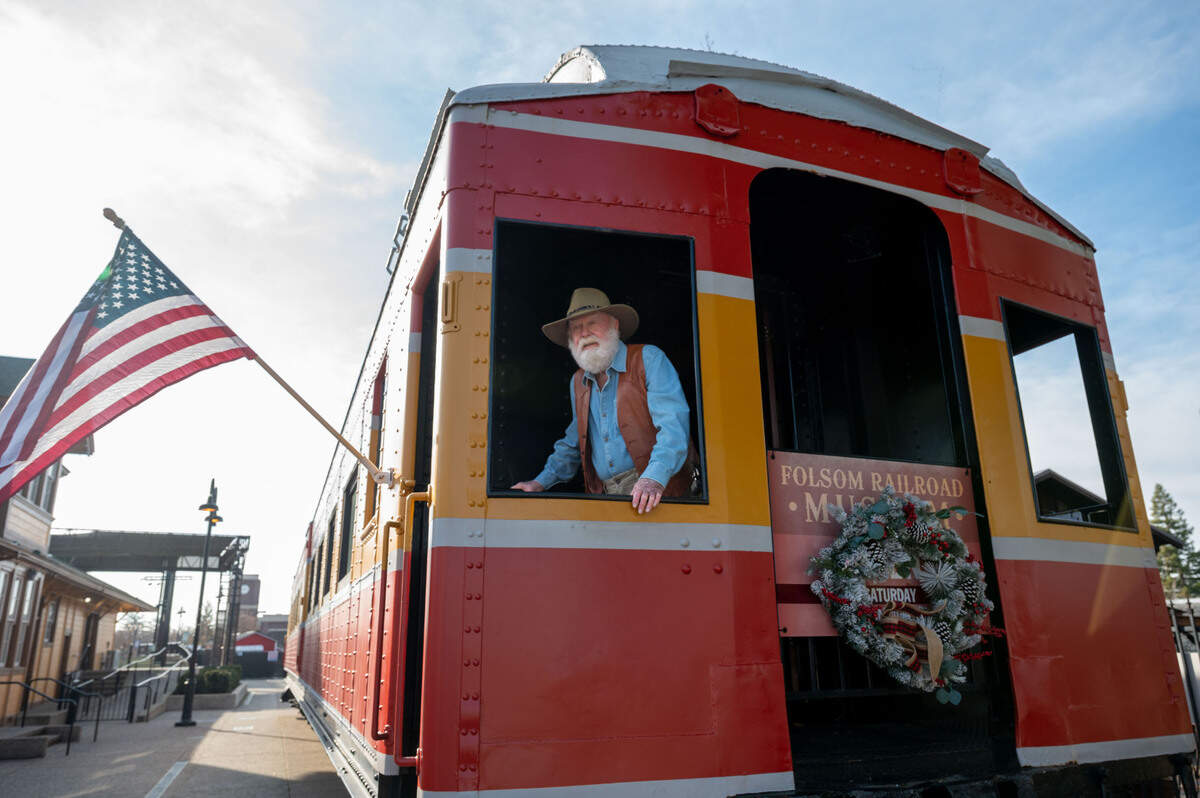
By weekend, as his beard grows prematurely white, wouldn’t he enthrall literally thousands of children over the years by bringing to life the lore of railroading, telling story after story from a restored Pullman car?
Wouldn’t he dress up every December as the spitting image of the real Santa Claus, all as a clever disguise of his true identity, to obtain that crucial insider information from children awestruck in his presence.
There is something downright magical about Bill Anderson.
“Bill is like a beloved grandfather,” said Folsom Mayor Sarah Aquino. He is “kind and thoughtful and always willing to share a story.”
Keeping Folsom’s railroad miracle alive
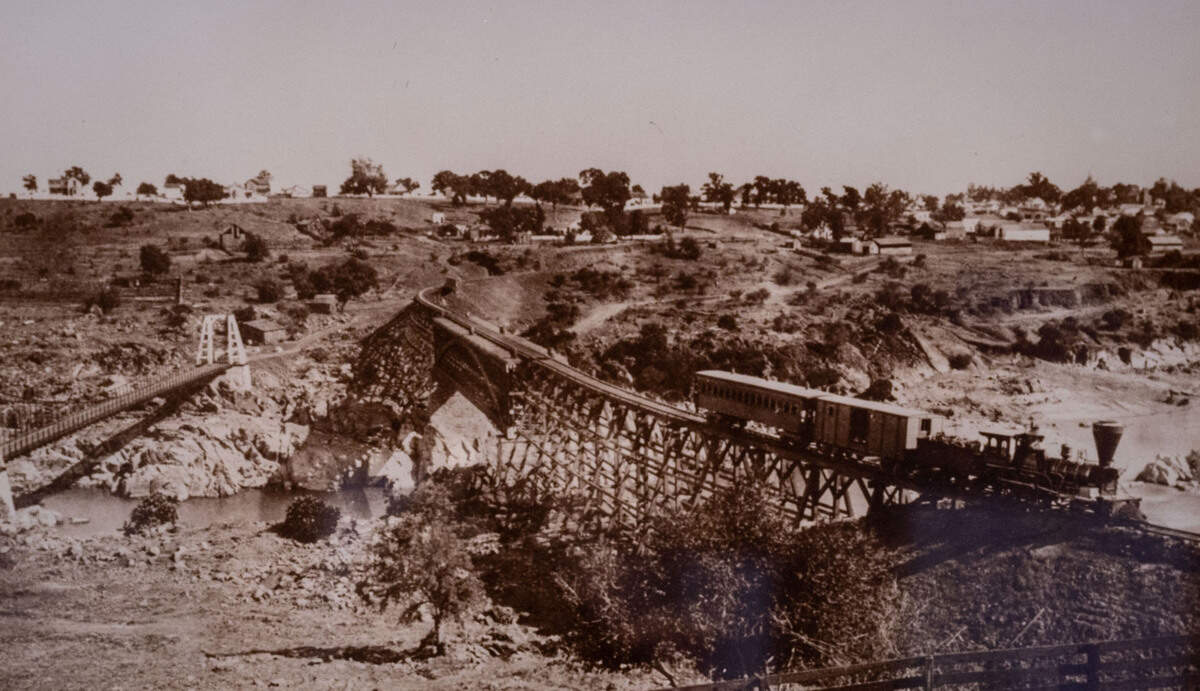
The story of Sacramento and Folsom’s railroad history is almost too miraculous to be true. In the 1850s, there wasn’t a single mile of rail anywhere in this country west of the Mississippi River. Then, suddenly, the Gold Rush happened, causing a traffic jam in the Sierra foothills worse than anything on today’s Highway 50 corridor.
Soon, sailing ships loaded with rail would leave England, heading to California. The track was laid in the river city until it reached Folsom on Feb. 22, 1856, a feat that barely took a year.
Our railroading is a living history, although most of us probably don’t appreciate it every day.
Sacramento Regional Transit’s Gold Line and its light rail cars follow much of the Sacramento Valley Railroad’s original route. A replica of the original turntable used to guide locomotives is located near its terminus in Folsom, an effort championed by Anderson.
He and others discovered the footprint of the adjacent roundhouse for maintenance and helped bring it back to life as a restaurant. Next door is the original Southern Pacific depot, built in 1906 — the home of the Folsom Chamber of Commerce and the Folsom Historic District Association. And, for the last 10 years, just to the other side of the depot, is Anderson’s railroad museum, painted in vintage Southern Pacific red and orange colors. Anderson is the president of the Folsom, El Dorado & Sacramento Historical Railroad Association.
“This is a living, interacting historic area,” said Jerry Bernau, a developer who has worked with Anderson for more than a quarter century. “It’s honoring the history.”
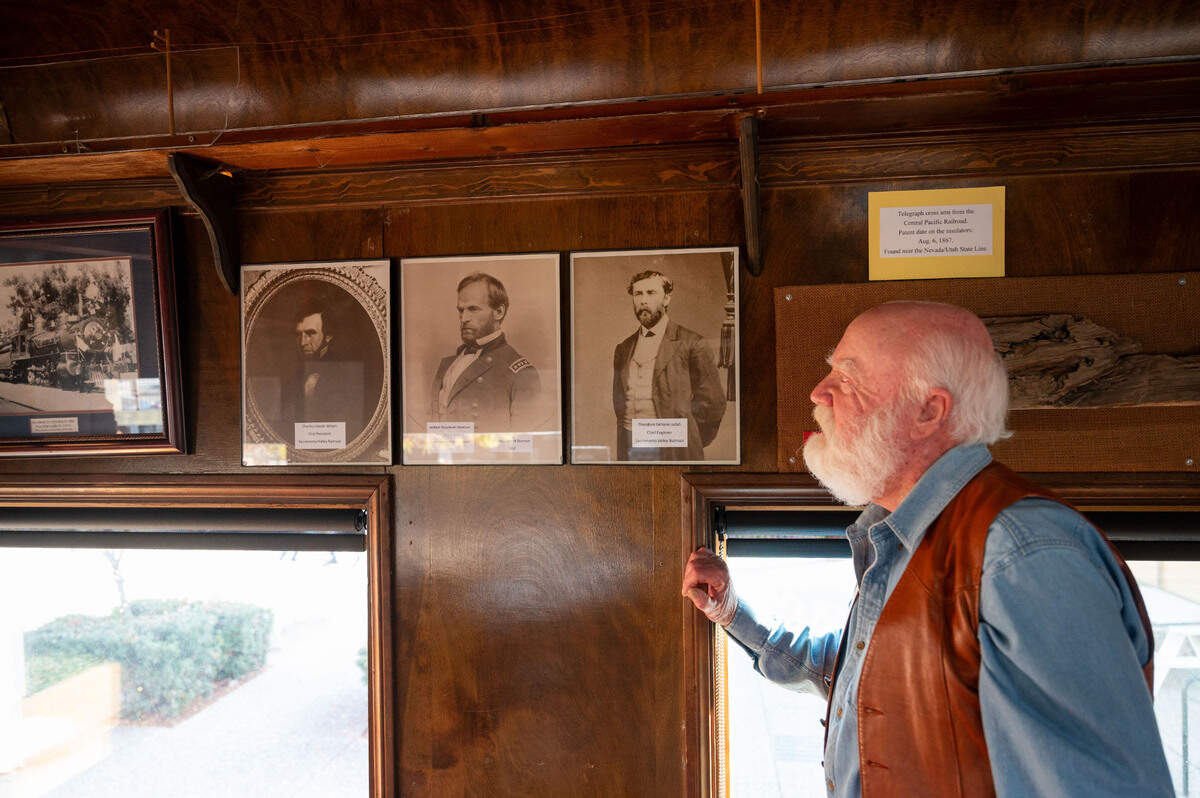
Inside the historical association’s retired coach car, with a model train that circles near its ceiling, is where Anderson’s magic happens. It is here, where decades of railroading comes to life and where Anderson tells his stories.
“He has volunteered so many thousands of hours to speak with families,” said Judy Collinsworth, executive director of the Folsom Historic District Association. “It’s just incredible. He’s such a special man.”
Anderson’s story
Anderson’s arrival to Folsom 40 years ago was a fortuitous marital compromise. His wife, Sharron, was from Southern California. Willis (his formal name) Anderson was born in Oroville. A surveyor for the California Department of Transportation, the two enjoyed boating on Folsom Lake. A love affair with the city was born.
Anderson ended up meeting a city railroading legend of a previous generation, Doug Hays, who pioneered the efforts to restore the original Sacramento Valley Railroad turntable. “I just found it so interesting,” he said. He began reading one railroad book after another. Slowly but surely, Anderson became Folsom railroading’s greatest storyteller.
Hearing Anderson talk so familiarly about the 1860s sounds almost as if he himself was there. He describes in uncanny detail the “old dirt road” from Folsom to Placerville. “There were actually traffic jams with stagecoaches and wagons going to Placerville,” he said. The extension of the railroad to Placerville began during the Civil War (1862).
The architect of the original railroad was Theodore Dehone Judah, who originally envisioned a transcontinental railroad heading through Folsom. Judah would later settle on today’s route through Roseville and over Donner Pass.
Apparently, Judah was a bit of a big-thinking eccentric. “Crazy Judah,” Anderson repeatedly calls him in his Judah story, as if the two are dear, old friends.
A historian becomes Santa Claus
Anderson’s Santa Claus magic began about 35 years ago — and this cannot be dismissed as a coincidence — at a Folsom elementary school named after Theodore Judah himself. There, Anderson’s son, Mike, began his education. Christmas was approaching.
“Somebody asked me if I would be Santa,” Anderson said. He said yes.
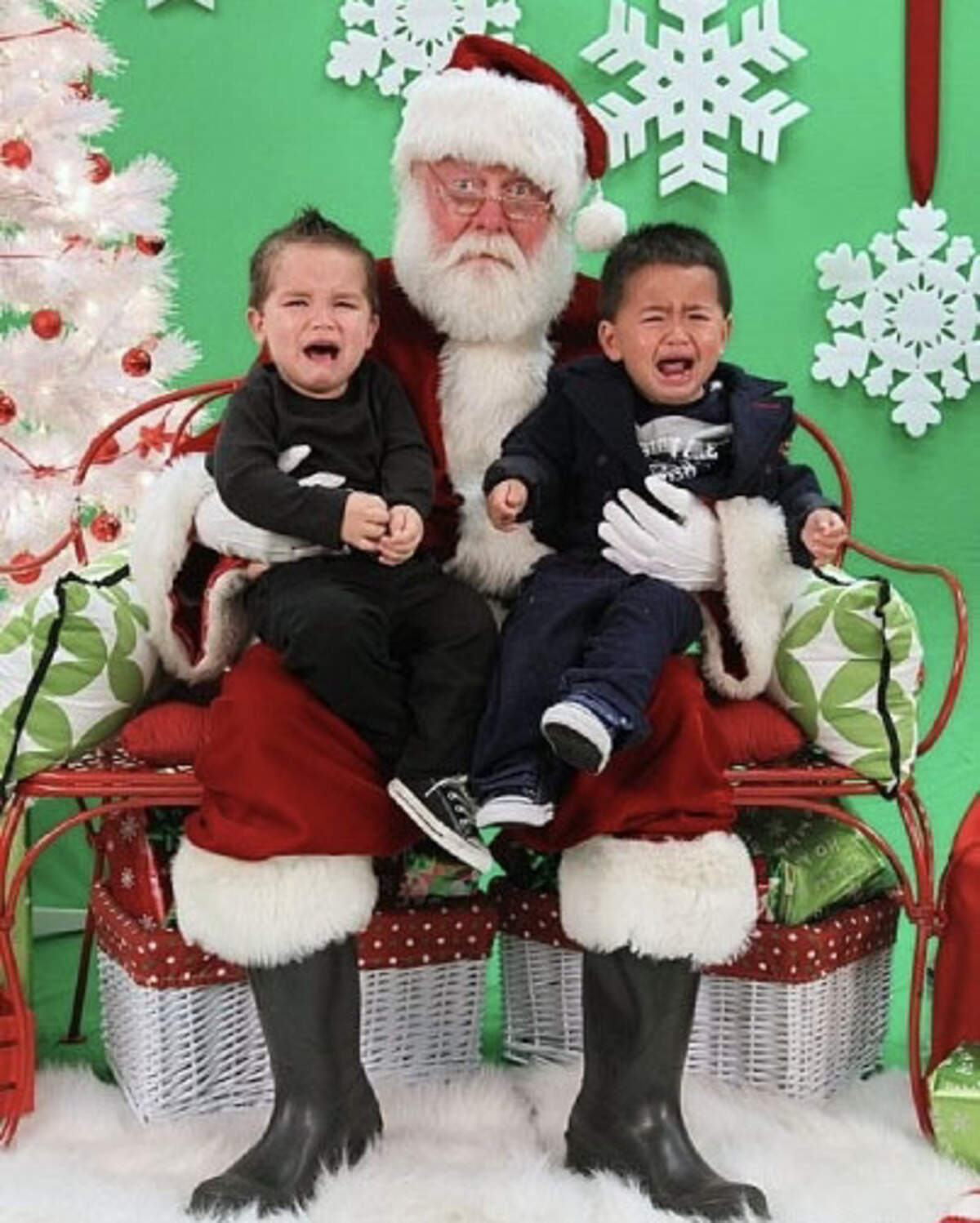
His original Santa suit was a loaner. “They gave me a phony beard.” Santa, of course, hated it. So every September thereafter for 30 years, Anderson would let that white beard grow and grow so that he and his personal Santa suit were ready to come September.
Santa would light Folsom’s Christmas tree. Santa would show up next to the local Raley’s. Santa would head to schools and countless events. Anderson became nothing short of a living legend in Folsom.
Think about it: What a brilliant ruse for the real Santa to pretend so convincingly to be a fake one.
Note to parents: Santa says do not crowd him when your child is on his lap and he is doing his work. Otherwise, Santa may not hear what he needs to know. “There were times when Grandma would come up,” Anderson said, “and I would wave her off.”
Of the thousands of children Santa has met over the years, two stand out. One asked Santa for a job for her unemployed father. And another was about to die.
“A little girl had terminal brain cancer,” Santa said. So he went to her home. “She was happy as heck. Mom was crying. About a week later she died.”
Anderson swears the pandemic put the end to his Santa years. A COVID testing lab in town wanted Anderson to show how Santa can put a mask over his beard. So one last time, Anderson put on the suit. “No kids involved,” he said. “Just standing there.” Now, he says, the suit is in storage at the Sutter Street Theatre, ready as a mere prop.
Or so he wants us to think.
My daughter says I am responsible, many years ago, for why she stopped believing in Santa Claus. I had avoided a direct answer when she asked if Santa was real. I told her that I believed in the spirit of Santa Claus.
That, in hindsight, was a parental mistake.
That was before I met Bill Anderson, allegedly 84, of Folsom.
Seeing, after all, is believing.
This story was originally published December 22, 2024 at 5:00 AM.