Assemblymembers must adjust thinking of affordability in order to help Californians | Opinion
Affordability is a buzzword being thrown around these days in California, and rightfully so. From the gas station to the grocery store, the pockets of the working class in our state are being stretched thin.
Companies are so focused on profits that regular people are forced to pay high costs.
California is controlled politically by Democrats in the Legislature whose toughest task will be getting honest about what citizens need to make ends meet.
Attempting affordability
Assembly Speaker Robert Rivas, D-Salinas, says he hopes to make affordability a priority this year. California’s housing costs are 97 percent higher than the national average. Californians spend more on groceries than any other state. Our utility costs are well above the national average and California has among the highest income taxes in the country.
Rivas is touting legislation that he said will improve affordability for all Californians but while some of the 12 laws he has been highlighting are admirable, they don’t do nearly enough to make life more affordable for Californians.
For example, renting is becoming more of the norm in the state. As the percentage of renters grows, so should protections. There are some in place.
AB 12 by Assemblymember Matt Haney, D-San Francisco, prohibits landlords from demanding a deposit greater than one month of rent, irrespective of whether the property is furnished or unfurnished. AB 2747 by Assemblymember Haney, D-San Francisco, allows tenants to build a healthy credit history by demonstrating responsible rent payments. Starting April 2025, if you are a renter and your landlord owns a residential property with more than 15 units, they will need to provide you with the opportunity to report positive, on-time, full payments to a nationwide credit bureau agency. This provides renters with the means raise their credit score without buying a home.
Some very modest help for renters is necessary and great, but this doesn’t add up to a real agenda to tackle affordability in California. What else do the Democrats have the stomach to actually do?
According to the Legislative Analyst’s Office, Since 2020, rents in Sacramento County have grown by 29%, while most areas in the state have grown by at least 40%.
While it is good to have laws that prevent a deposit from being more than one month’s rent, it solves nothing compared to if the cost of rent was lowered or there was a rental cap. When the voter had the opportunity to give local governments the power to place a rental cap with Proposition 33, they denied it.
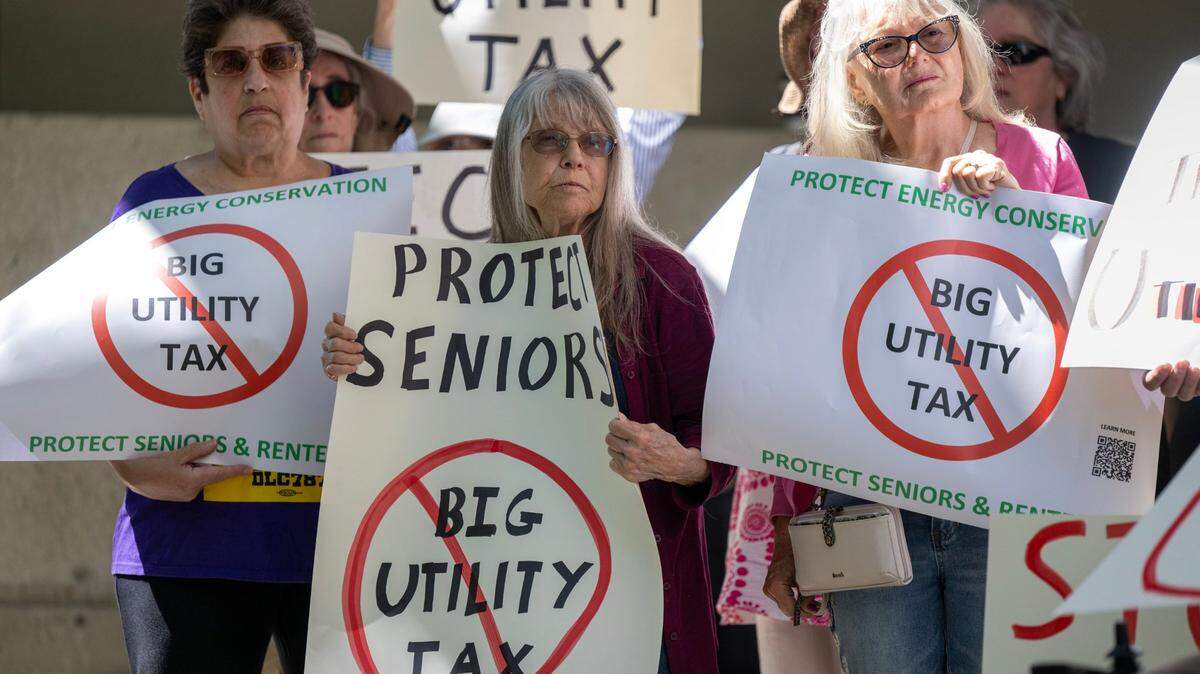
Let’s also talk about electricity costs. California has the second-highest electricity rates in the nation and electricity rates are growing faster than inflation and outpacing growth in other states. In general, average residential electricity rates in California have grown faster than inflation in recent years, rising by about 47% over the four years from 2019 through 2023 compared to overall growth in prices of about 18%.
So even with the bills listed above, Californians are still hurting financially because of the growing costs of basic needs. To actually get somewhere, they’ll have to shift their focus.
Affordability has to mean something
Affordability is achievable. Hardworking Californians put in the hours at restaurants factories and retail stores to ensure that their families have basic needs. Unfortunately, those basic needs are becoming harder to obtain and are beginning to cost more than some can handle.
If the legislative Democrats who run Sacramento truly want to be about affordability, they need tougher laws that don’t just give protections but restructure California’s system to support its people.
This story was originally published January 16, 2025 at 5:00 AM.