Hello nutria? California’s least-welcome invasive swamp rodents arrive in Fresno | Opinion
California’s most-destructive and least-welcome swamp rodents have arrived in its fifth-largest city.
To be precise, they’ve arrived in the stretch of San Joaquin River that traces Fresno’s northwest border.
Eight years have passed since a reproducing population of nutria was found in western Merced County — their first discovery in the state since the 1970s. Despite eradication efforts that began in March 2018, nutria have since spread north into the Delta, east into foothills along the Merced River and south into the Fresno Slough and Mendota Wildlife Area.
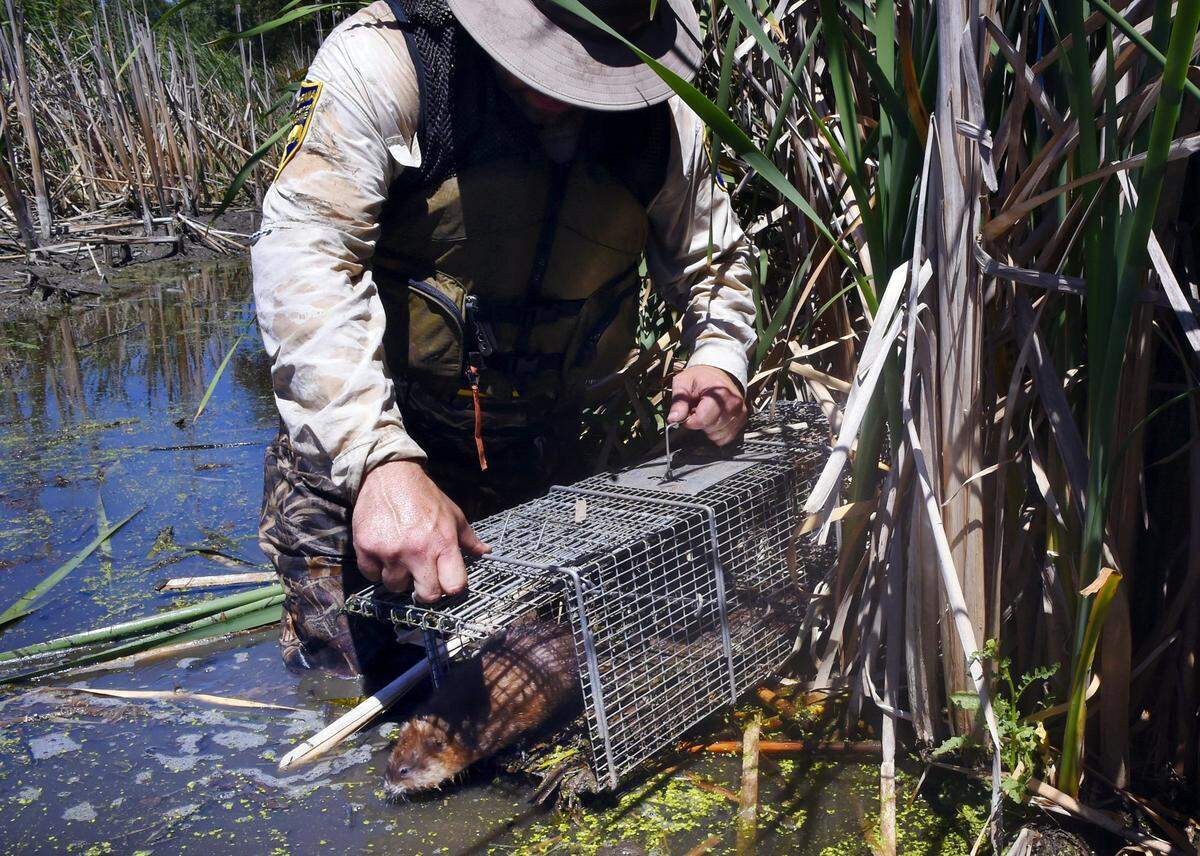
Over a four-week period in 2022, the California Department of Fish and Wildlife’s eradication team removed 220 nutria from the Mendota Wildlife Area, thinking the problem had been contained to the state-managed wetlands 50 miles west of Fresno. Think again. Undaunted, these large, fast-breeding rodents made their way up the San Joaquin River.
Between 2023 and 2024, 67 nutria were “taken” (short for trapped and euthanized) from 18 separate 40-acre “cells” along the San Joaquin River between northwest Fresno and Friant Dam, according to the CDFW.
The agency’s eradication map even shows one adventurous animal that managed to travel above Millerton Lake and well up the river canyon before being captured near New Auberry.
That’s a long way from any swamp!
Fresno County, in fact, has become the newest hot spot for these invasive rodents.
Since 2023 more nutria have been taken from Fresno County than any county in California, according to CDFW data. In the overall tally of 5,493 animals that dates to 2018, Fresno County (1,140) trails only Merced County (2,593).
“Fresno County is indeed a current hot spot,” CDFW spokesperson Krysten Kellum said. “Nutria that had made their way to Mendota/Fresno Slough years ago, reproduced mostly unchecked for at least two years before we were able to increase staffing and devote resources to that area. These high numbers we’ve seen over the last few years are us coming in and rapidly removing all those animals.”
The eradication team plans to devote additional resources over the next several years to prevent further reproduction and spread, Kellum added.
Nutria ‘nothing but intestines’
Voracious eaters that devour up to 25% of their body weight in plant matter per day, nutria are bad news for both natural habitat and man-made water conveyance systems. They transform lush wetlands into barren mudflats that no longer protect or provide food sources for fish, birds or other mammals. They also weaken irrigation canals and flood control levees by burrowing deep into their structures to create subterranean voids, exposing crops and potentially homes.
Besides being incredibly destructive, nutria are incredibly reproductive. Females reach sexual maturity at three months, give birth to up to 13 babies at one time and can produce two to three litters annually.
“They’re nothing but intestines,” the CDFW’s now-retired leader of the nutria eradication team told me in 2018. “They’re built to eat, digest and reproduce.”
The response to these swamp rodents, imported from South America by Louisiana fur farmers during the 1930s, has varied greatly by state.
The Maryland Eastern Shore has been declared nutria-free following a statewide effort in the early 2010s that resulted in the eradication of nearly 14,000 animals across the Delmarva Peninsula and Chesapeake Bay.
In Louisiana, meanwhile, the population is so out of control the state’s wildlife and fisheries department pays licensed hunters to harvest nutria (the current bounty is $6 per tail) while encouraging residents to consume them as a source of food.
Hunting strongly discouraged
Last month, the U.S. Fish and Wildlife Service entered the fray by picking nutria to head its list of “5 Invasive Species You Can Hunt, Catch, and Cook” to commemorate National Invasive Species Awareness Week.
“These oversized, wetland-loving rodents were brought to the U.S. for the fur trade and now they’re devouring marshlands,” a USFS press release read. “OK, so how can we help? Nutria gumbo. Their meat is lean, mild, and tastes like rabbit.”
The Feb. 20 press release resulted in dozens of amusing headlines, but CDFW officials weren’t smiling. Why? Because nutria are classified as a restricted species in California and cannot be legally hunted, trapped or possessed. (The only exception applies to permitted land owners and their authorized agents as a means to address damage to crops or property.)
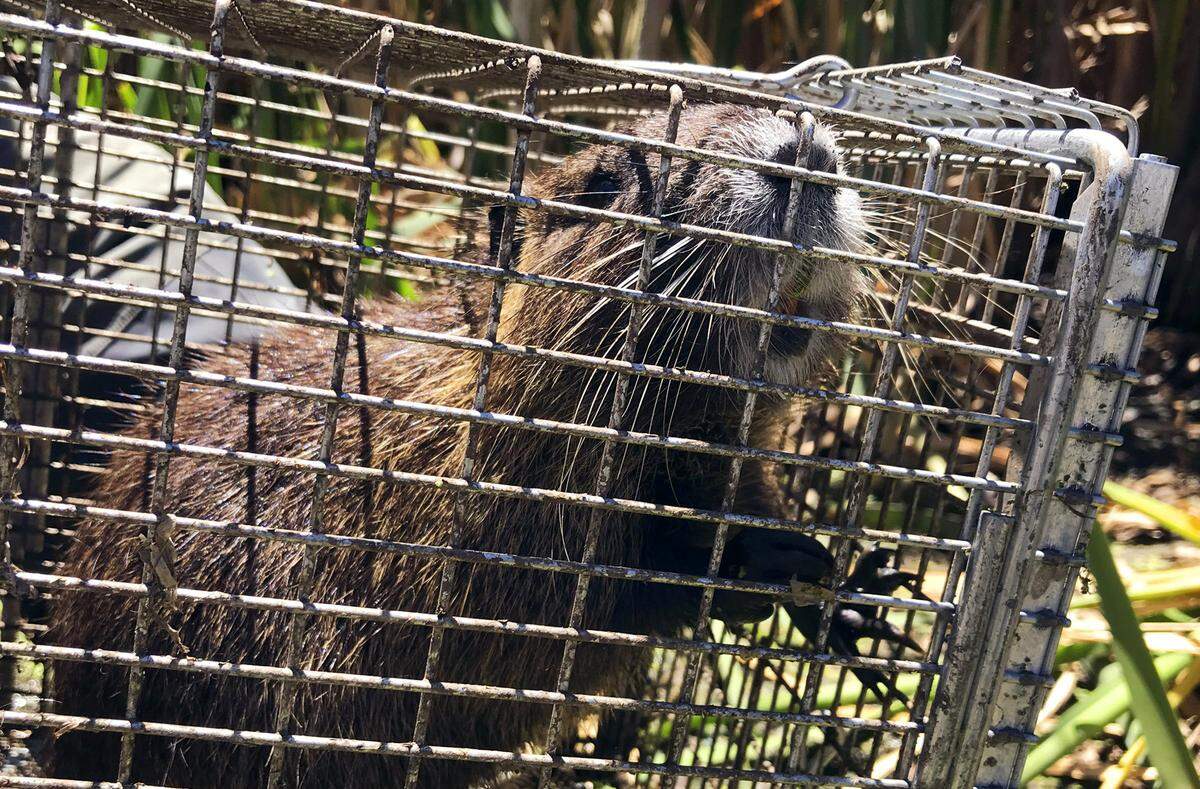
Besides the legalities, the CDFW strongly discourages nutria hunting out of concern that beavers, muskrats, mink and otters could be mistakenly targeted.
“Nutria look extremely similar to other semi-aquatic mammals that co-occur in the same habitats,” Kellum said via email. “The vast majority of ‘nutria’ identified by members of the public are in fact not nutria — we have experienced the same misidentification by wildlife biologists with no nutria exposure, as well as by seasoned depredation practitioners.”
Kellum labeled the USFS “eat the invasives” campaign a last-ditch effort to control nutria populations. In California, she said, eradication remains the goal and the CDFW needs every bit of data (i.e. sex, age, reproductive status, local population densities) in order to succeed.
So far it’s been an uphill battle. Or else nutria wouldn’t have made it all the way to Fresno.
This story was originally published March 19, 2025 at 5:30 AM with the headline "Hello nutria? California’s least-welcome invasive swamp rodents arrive in Fresno | Opinion."