Will Trump’s big, ugly bill kill plans for California’s offshore wind industry? | Opinion
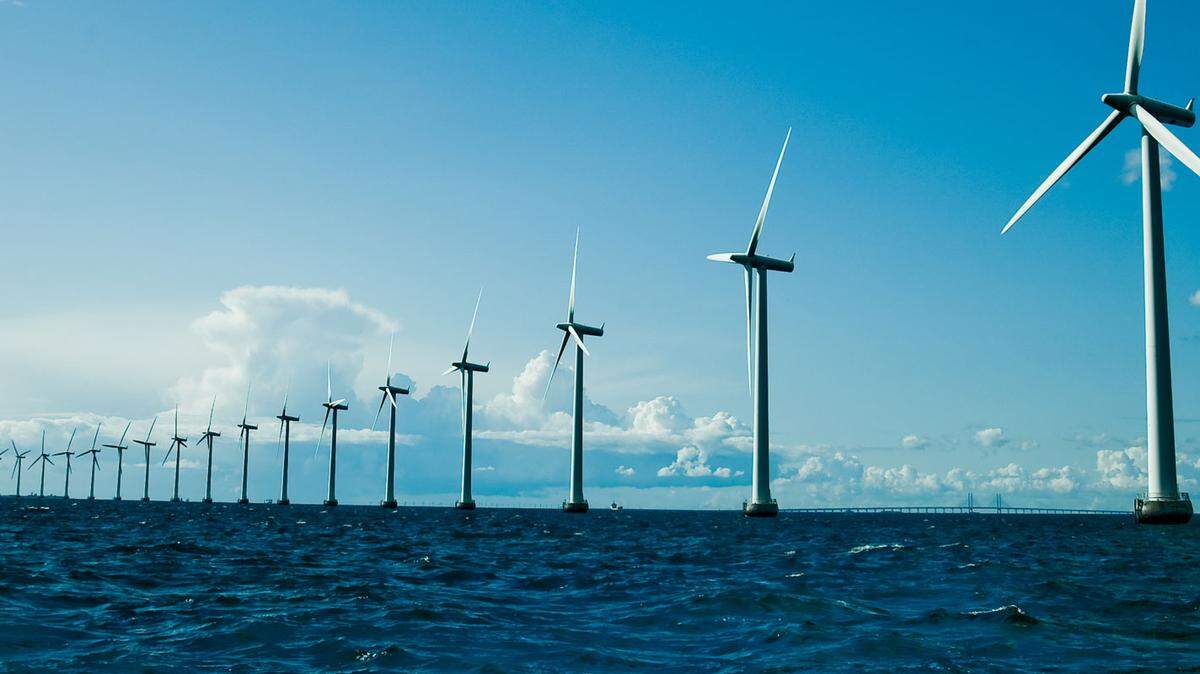
The state of California has been bullish about offshore wind energy. Donald Trump, not so much.
He once said, “The wind is bulls---,” in reference to offshore wind turbines.
Now his “big, beautiful bill” is attacking not just wind energy, but solar as well, by doing away with generous tax credits that were an attractive incentive for clean energy developers.
Meanwhile, California has been counting on wind energy to keep the lights on.
In July 2024, the California Energy Commission announced adoption of a strategic plan to install enough floating turbines off the coasts of Humboldt and Morro Bay to supply 25,000 megawatts of power by 2045 — enough for 25 million homes.
Proposition 4 — the $10 billion bond approved by California voters in 2024 — allocated $850 million to energy infrastructure. More than half of this money — $475 million — would support the development of wind turbines off the California coast.
Will Trump’s big, ugly bill interfere with those plans?
Morro Bay companies’ representatives mostly quiet
Of the three companies awarded leases off Morro Bay — Equinor Wind US, Golden State Wind and Invenergy California Offshore — one responded.
“Equinor sees Atlas Wind as a long-term opportunity that will help California meet its growing power demand, create jobs and build a West Coast energy supply chain,” a spokesperson responded via email.
“As we focus on delivering our U.S. offshore wind projects on the East Coast currently in execution mode, we are maintaining a presence in California, sharing information, collaborating with key stakeholders and fulfilling our state and federal lease obligations.”
In the current political climate, “maintaining a presence” may be about as much as we can expect.
Excise tax is out
The assault on clean energy could have been even worse; at the last minute, an excise tax was sneakily tucked into the bill. It would have penalized future wind and solar farms for using Chinese components.
Thankfully, the Senate passed an amendment that killed the tax. Had it remained, electricity rates could have increased by 8-10%, according to the American Clean Energy Association.
Think of what that would do to California, which already has the second-highest electricity rates in the nation — only residents of Hawaii pay more. Another 10% would pile on more misery.
So long, tax credits
Even without the excise tax, energy bills are expected to rise due to the expiration of tax credits.
Though the Senate amendment extended the deadline one year, there will be no more investment credits after Dec. 31, 2027.
That’s a huge blow. The credits are worth up to 30% of the investment for projects that meet prevailing wage requirements, and even more if they qualify for bonuses by, for example, serving low-income communities or using American-made materials in construction.
Clean energy leaders warn of dire outcomes.
“If this bill becomes law, families will face higher electric bills, factories will shut down, Americans will lose their jobs and our electric grid will grow weaker,” wrote Abigail Ross Hopper, president and CEO of the Solar Energy Industries Association.
Is there an EV in your future?
It isn’t just the clean energy industry that’s being affected. Car buyers are as well.
Federal tax credits on electric vehicles are going away even sooner than originally planned. Under the Senate version of the omnibus bill, the credits expire on Sept. 30; the House version ended the tax break on Dec. 31.
If you’re considering an EV purchase, buy sooner rather than later.
There is, however, one small comfort for EV owners.
An annual $250 fee for EVs and $100 for hybrids was not in the final version of the bill. The fees were intended to ensure that EV owners, who don’t pay gas tax, contribute their “fair share” to road maintenance costs, though $250 was excessive compared to what a driver of a gas-powered vehicle typically pays in federal fuel tax.
There are rumblings, though, about the possibility of a fee being resurrected at some future date.
In other words, don’t breathe a sigh of relief just yet.
This story was originally published July 2, 2025 at 5:00 AM.