
Is Sacramento a ‘Sanctuary City’ that protects its own? We’ll find out | Opinion
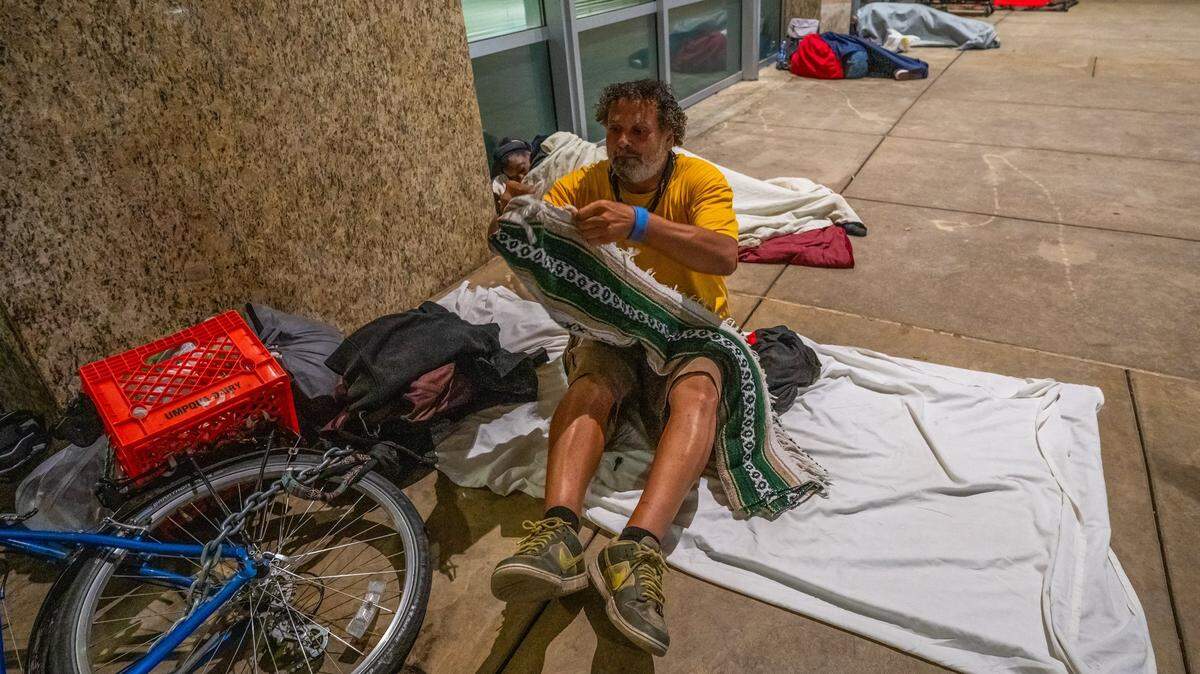
Sacramento has been a “sanctuary city” for more than 40 decades on behalf of its immigrants who simply want to live here. It has signaled that we are a community that cares about our own who need a little help simply to survive.
If the city of Sacramento approves Mayor Kevin McCarty’s plan to ban the homeless from sleeping outside of City Hall at night, we can no longer in good conscience call ourselves a sanctuary city in any respect. No city can be a safe harbor for some and not others while pretending to maintain fair procedures for everyone. That’s not the values behind humanity and due process.
Sacramento’s sanctuary status is on the line at Tuesday night’s City Council meeting.
The public has grown exhausted and fed up with the homeless crisis. Compassion has turned to anger. McCarty, who won in a tight race last November, campaigned against homeless encampments on public spaces. And he is following through on that promise.
If McCarty and his supporters on the council had come up with a list of public places where the homeless can safely spend a night throughout Sacramento and proposed that on Tuesday night, along with the ban surrounding City Hall, that would have marked real progress. But they did not.
Charging the homeless for homelessness
The proposed ordinance gives a homeless Sacramentan who is otherwise causing no harm 24 hours notice to leave the surroundings of City Hall. Failure to comply will prompt removal.
“The cost of abatement, including all administrative costs of any action taken hereunder, may be assessed against the subject premises as a lien, made a personal obligation of the owner, or both,” the ordinance reads.
A lien? If the homeless owned a property, why would they be on the streets?
This ordinance is part of an ongoing get-tough approach made possible by the U.S. Supreme Court decision last summer, allowing cities to take actions against homeless residents even if they have no available shelters as an alternative.
In Sacramento on a recent week in July, as one example, police arrested or cited homeless people 73 times, or more than 10 a day. That’s five times more than the going rate in December.
Why the uptick? “Following the (Supreme Court) decision, we began with an educational phase focused on public awareness rather than immediate enforcement,” said Sacramento Police spokesperson Daniel Wiseman. “As time went on, enforcement gradually increased in alignment with the new legal framework. SPD remains committed to compassionate and lawful engagement with unhoused individuals.”
Getting tough on homeless isn’t reducing complaints
Is it working? Officially, Sacramento only updates its estimate of the homeless population every two years. The city, however, laudably maintains a transparent dashboard on its weekly homeless management activities, including the number of citations and arrests.
As a downtown resident, it certainly doesn’t feel like the more aggressive policing is changing anything. And my gut is confirmed by some numbers. Sacramentans are still placing about 100 complaint calls a day about one homeless issue or another. If citing and jailing homeless people magically were abating the problem, wouldn’t we be seeing signs of this by now?
The anger at the problem starts at the top. Gov. Gavin Newsom, miffed at how local governments haven’t lessened homelessness despite receiving $20 billion in state funds in recent years, just turned off the money spigot to the primary grant program that helps run shelters throughout California. These shelter programs are operating this fiscal year thanks to the monies they received in the last fiscal year. When the money dries up, more homeless people will almost certainly be pushed back onto the streets.
What McCarty’s doing pains me because I think he and his team are studying this problem intensely and trying to be smarter about it. McCarty is right to de-emphasize larger congregate shelters in the long term and to increase the number of tiny homes, and at drastically lower cost.
But these ideas remain largely unrealized. The immediate changes are mostly focused on the law enforcement side of policing homelessness.
It’s bright. Downtown is noisy. But it is safe. And for those who sleep there, that is what undoubtedly matters the most. And it’s because the city doesn’t tell them where they can go.
Sacramento cannot claim sanctuary for only some of its residents. That is sanctimony. That is not how the spirit of offering refuge works.