Gavin Newsom just gave California’s inmate firefighters a raise. They need more | Opinion
California Gov. Gavin Newsom signed landmark legislation this week, ensuring that inmate firefighters receive the federal minimum hourly wage for their difficult and sometimes deadly work. But after incarcerated firefighters are done serving their prison sentences, another daunting battle awaits them.
Despite the state’s desperate need for firefighter recruitment and the crucial firsthand experience formerly incarcerated firefighters can bring to the job, it’s nearly impossible for recently released inmates to find employment as firefighters because of their criminal histories. Those who do find employment often then face limited advancement opportunities and lower wages compared to their colleagues.
“Even with firefighting experience, justice-impacted people are often delayed or denied access to careers due to licensing barriers and bureaucratic hurdles,” said Simone Price, director of organizing for the Center for Employment Opportunities. “It’s a system designed to push people back rather than help them move forward.”
Too little, so far
Nearly one-third of California’s wildland firefighting workforce consists of minimum-security inmates working in California Department of Corrections and Rehabilitation conservation camp programs, also known as “fire camps.”
Not only do these inmate firefighters risk their lives for California every wildfire season, but they do it with bare minimum comfort and protection that other firefighters in the same situation receive. They endure substandard equipment and little to no mental health care. Incarcerated firefighters, in their distinctive orange jumpsuits, are four times more likely to be physically injured on the job and eight times more likely to sustain an injury from smoke inhalation than professional firefighters.
Despite these challenges, firefighters enrolled in these programs say the CDCR fire camps are generally safer, more comfortable and more humane than conventional prisons.
In 2020, California passed Assembly Bill 2147, which created a pathway for formerly incarcerated firefighters to petition for their records to be expunged. In 2021, the law was reformed to require those petitioning for expungement to have no more than one felony on their criminal record, and at least 10 years must elapse after sentence completion before a felony can be expunged.
If a former inmate firefighter meets these criteria, they can petition for expungement. But, regardless of the outcome, the crucial EMT certification can still be withheld. In addition, this pathway only applies to state agency firefighting roles, such as at CAL Fire, and not local firefighting departments, where most firefighters are employed.
People returning from incarceration have parole requirements, and they must navigate housing instability and food insecurity, while also experiencing employment discrimination because of their past criminal conviction, Price added. The state’s expungement process, which often requires an attorney, adds yet another impossible hurdle for many.
“AB2147 opened a door, but the process is still lengthy and complicated,” Price said.
A history of service
California has been using inmate firefighters for more than a century. What would later become the CDCR’s Conservation Camp Program was established in 1915. The first permanent fire camp opened in 1946 and today, there are 35 camps in 25 counties across the state. Participants can comprise up to 30% of California’s wildland firefighting force during wildfire season. Firefighting is one of three mandatory work programs available to inmates in CDCR facilities; while it is the most dangerous, it is also the most highly-paid option.
CDCR fire camps are minimum-security facilities and staffed 24/7 with correctional staff. Inmates are therefore required to be minimum-security prisoners. Inmates are automatically disqualified from working in the fire camps if they have been convicted of violent crimes such as rape, lewd acts with a child under 14 or if they have a history of escaping or of arson, or are convicted of any felony punishable by death or life in prison.
“We know that (inmates) have been bravely fighting wildfires in California for over 100 years, and we talk about that sacrifice every time we see them in a major fire, but we don’t step up and reward that bravery with the basic dignity and compensation that it deserves,” said Assemblymember Issac Bryan, D-Ladera Heights, who authored Assembly Bill 247.
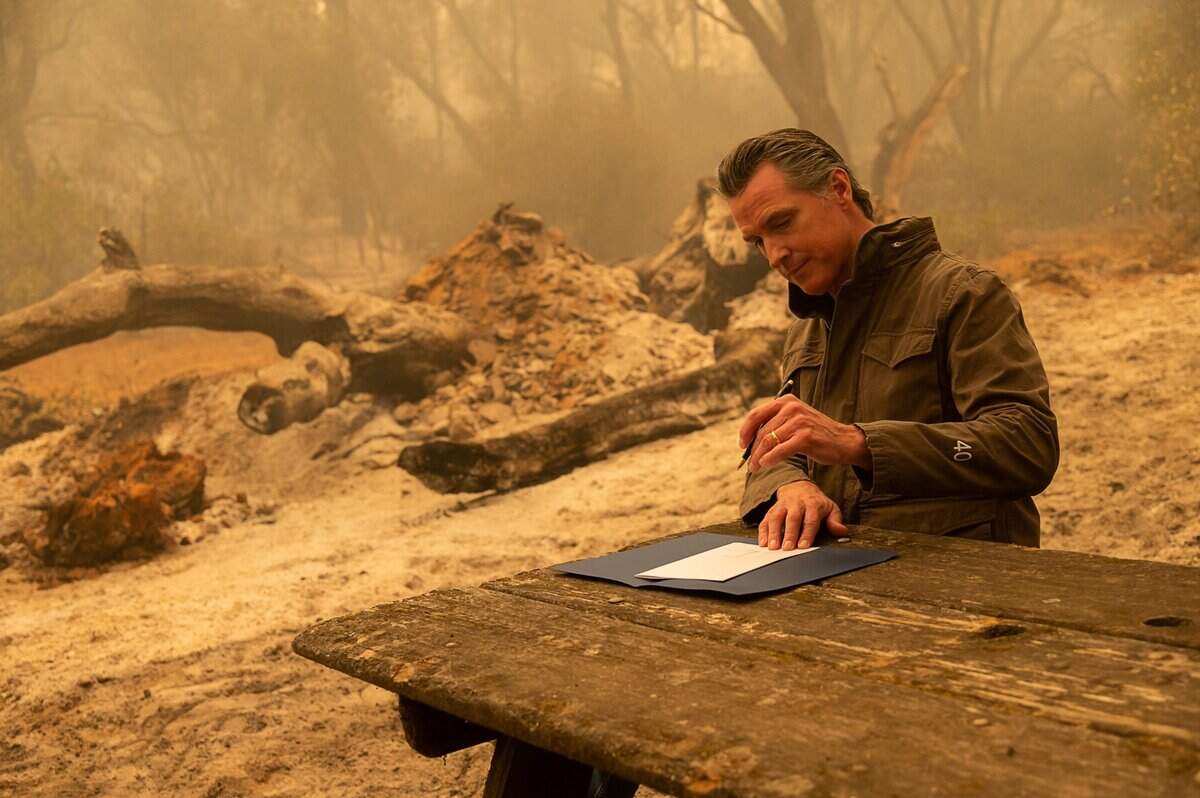
Signed by Newsom on Monday, Bryan’s bill raises the pay of incarcerated firefighters from just a few dollars a day to the federal minimum wage of $7.25. Another bill signed Monday was AB 812, by Assemblymember Josh Lowenthal, D-Long Beach, that allows sentence reductions for those who served in the fire camps.
“I’ve talked to a number of folks at the fire camps right now who are ecstatic,” Bryan said. “They feel seen, they feel heard, they feel respected. (But I) still believe we can and should do better… We want to see folks who gain this incredible experience, who put their lives on the line, have a real chance to matriculate into this profession.”
California’s need only grows
In February of this year, after the devastating wildfires in Altadena and Pacific Palisades, Senate President Pro Tem Mike McGuire publicly proposed the state fully hire more than 3,000 seasonal firefighters (at a cost of at least $175 million) to supplement the more than 6,000 Cal FIRE employees who already work year-round.
“For three months out of the year, we down staff one-third of our engines because of an inadequate way of staffing Cal Fire in today’s world,” said Tim Edwards, president of the union representing Cal Fire firefighters during McGuire’s press conference. “There is no ‘fire season’ in California. Fires are year-round.”
The point of serving time in prison is to repay your debt to society. Once that obligation has been met, the formerly incarcerated should be treated like anyone else looking for employment or housing. How else can we expect them to reintegrate into society instead of re-offending?
Clearing the pathway to employment on the local and state levels for these former inmate firefighters solves two of the state’s problems with one stroke of Newsom’s pen: It gives California a much-needed influx of well-trained firefighters who want to do the job they’ve been trained for — and it gives dignity and purpose to people returning home from incarceration.
This story was originally published October 17, 2025 at 5:00 AM.