This California race could define Democrats’ generational turning point | Opinion
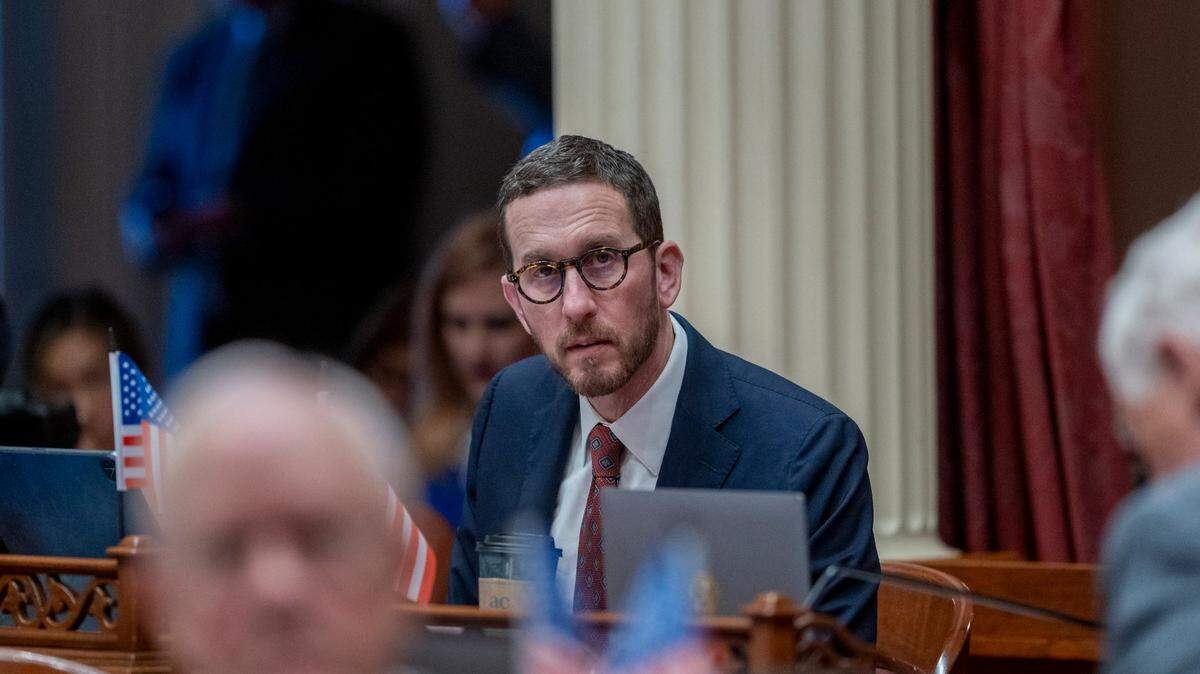
In almost a decade as one of the most consequential state senators in the California Legislature, Scott Wiener has made enemies for simply being who he is: An openly gay man who regularly introduces legislation to lift the LGBTQ+ community, while also getting legislation passed that challenges some of California’s most powerful interests, including those that are deeply invested in making affordable housing so tough to build.
Wiener’s SB 35 and SB 423 address California’s housing shortage at the root, by going after local communities that use zoning laws to block needed housing within their communities. It would be accurate to say the city of Elk Grove was sued by California Attorney General Rob Bonta for violating the laws that Wiener wrote.
For this — and much more — Wiener has received many death threats and been the target of harassment campaigns, mainly from the far-right. But that’s nothing compared to what Wiener is doing now, by declaring a congressional run in the San Francisco district owned by arguably the most powerful Democrat there is: House Speaker Emerita Nancy Pelosi.
“The world changed,” Wiener told me. “We have the rise of an authoritarian regime, and we need to do everything we can to save our democracy and pick up for immigrant and LGBTQ+ neighbors… The speaker emerita has not said whether she is running, but we are now just a few months away from the filing deadline … and so it made sense for me to get into the race.”
A matter of numbers
Out of 435 members of the United States Congress currently in office, 119 are age 70 or older. That includes five octogenarians in the Senate and 14 in the House. Four of those representatives are from California: Rep. Doris Matsui, D-Sacramento, 81; Rep. John Garamendi, D-Walnut Grove, 80; Rep. Maxine Waters, D-Los Angeles, 87; and Pelosi, D-San Francisco, 85. (Another nine California representatives are in their 70s.)
But after California Sen. Dianne Feinstein died in office in 2023 at the age of 90, President Joe Biden’s multiple memory failures while campaigning at age 81, and Pelosi’s emergency hip surgery after she fell on marble stairs during a trip to Luxembourg last year, an increasing number of Millennial and Gen Z voters are saying they find their representatives to be, well… not very representative of them, or of their (increasingly polarized) values.
Across the country, congressional members who have held their seats for decades are finally starting to see serious competition. Here in Sacramento, Congresswoman Matsui also faces a challenge from her left: Sacramento City Councilwoman Mai Vang, 40. Vang is the most progressive voice on the city council, and is the most serious challenge Matsui has ever faced during her two decades in office.
This swing toward younger representatives running for Congress aligns with the concerns of younger voters. According to the Harvard University Institute of Politics’ annual Youth Poll, more than 4 in 10 young Americans under 30 say they’re “barely getting by” financially. Just 15% believe the country is heading in the right direction, and fewer than one-third approve of President Donald Trump or of Congress. Less than half, 48% of young Americans say having children is important, and only 19% trust the federal government to do the right thing most or all the time.
These findings paint a picture of a generation that feels disconnected from institutions, uncertain about the future and skeptical of current leadership, the report says.
“This is a generation that’s weathered pandemic isolation during formative years, entered an unstable economy, and faced skyrocketing housing and education costs — all while being told they’re not resilient enough,” said John Della Volpe, Director of Polling at the Institute of Politics, as quoted in the report.
“What Gen Z needs isn’t another lecture, but genuine recognition of their struggles and leaders willing to listen before they speak.”
The waiting game
It is, perhaps, incorrect to consider Wiener a “young” candidate, but even at the oh-so-advanced age of 55, he’s nearly three decades younger than the current representative, and still younger than the median age of Congress, which is 58.
Wiener didn’t comment on Pelosi’s age or her candidacy, but he did agree that young Americans are facing a harder go of it than their parents, and perhaps have not been served well by their current representation.
“Young people are bearing the brunt of our failed housing policies,” Wiener said.” Young people are bearing the brunt of our failed climate policies. Young people are bearing the brunt of our failed gun policies, and so it is incredibly important to have a diversity of not just perspectives, but ages at the table.”
It’s only natural that the next generation should seek to rise in place of the old; Pelosi was 47 when she was elected to Congress in a 1987 special election. By those standards, even Wiener has waited too long to pursue a seat in Washington, where it takes years of seniority to amass power and influence.
It’s obvious this will be a year of political transition for San Francisco, and perhaps for all of California. Voters, especially young ones, can’t help but be daily reminded that we live in a very different world than the one Pelosi entered as a freshman congresswoman, nearly 40 years ago.
Wiener is right; the world has changed, indeed. And Pelosi, of all people, should understand this.
This story was originally published October 27, 2025 at 5:00 AM.