
Sac supervisors shouldn’t just rubber-stamp SMUD’s Coyote Creek project | Opinion
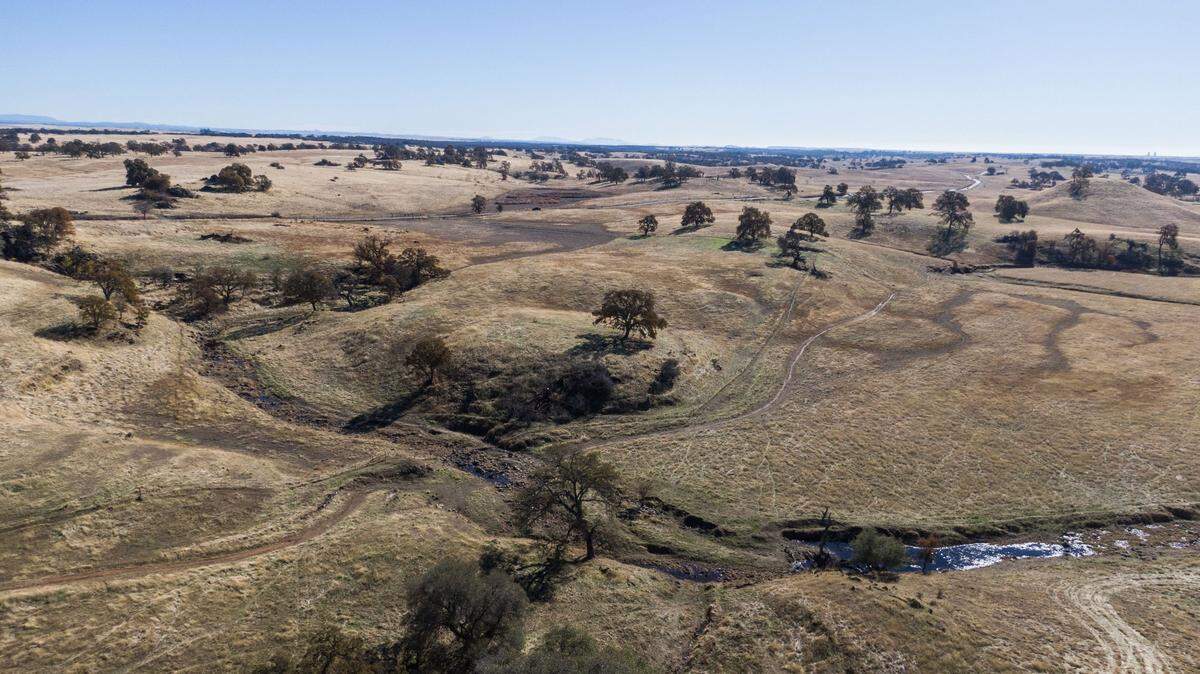
The Sacramento Municipal Utility District — SMUD — has made a mistake it is unable to extricate itself from: A lack of due diligence surrounding the site of a potential energy project by outside developer D.E. Shaw Renewable Investments (DESRI) has put more than 1,400 acres — and 3,700 native oak trees — at risk of destruction for a solar array that critics say was poorly planned.
But it’s not too late yet for Sacramento County to knock back DESRI and SMUD’s plan and reverse this potential environmental catastrophe slated for our own backyard. The Sacramento County Board of Supervisors and the lead land use planners for the project will meet Nov. 18 to decide whether to approve its environmental review.
This is the last chance for Sacramento to correct this error: The supervisors need to send this plan back to the drawing board.
The SMUD Board of Directors made a mistake in 2020 when it agreed to buy power from a private entity without fully understanding the environmental implications of the decision. The choice of site for the proposed, 200 megawatt solar facility that SMUD calls “Coyote Creek” was poorly chosen by the New York-based developer, DESRI, Inc., with whom SMUD has worked in the past.
SMUD says that Coyote Creek, on a piece of privately-owned land called Barton Ranch, is being developed by the third-party DESRI and that it is simply a power purchaser, federally-required to provide interconnection access to qualifying renewable projects seeking to connect to the grid. But it appears SMUD is simply trying to wash its hands of a massive environmental problem of its own making.
It was SMUD, after all, that implemented the process by which DESRI applied for and received approval for this project. SMUD says it only reviews the volume and market price of the solar energy that such proposed projects would generate, while third-party companies like DESRI must manage the environmental review and permitting process. It’s obvious now that SMUD could (and should) change that division of duties.
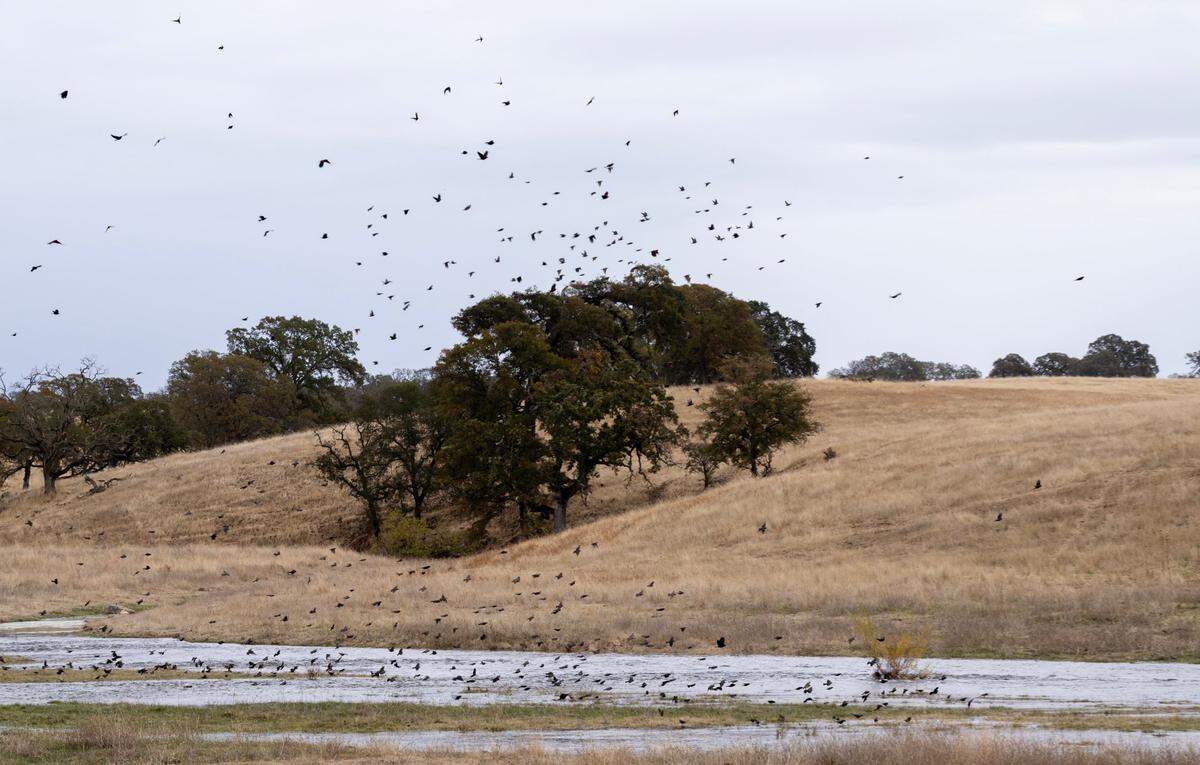
Sean Wirth, co-chair of the ECOS Habitat Committee and conservation chair for the Sierra Club’s Mother Lode Chapter said DESRI misrepresented the site as “bare, rocky ground” when it is, in fact, an ecologically sensitive habitat that includes grasslands, wetlands and oak woodlands. According to the project’s own environmental analysis, more than 50 acres of native oak canopy would be permanently lost to the Coyote Creek project.
“The developer is responsible for project development, including site selection, environmental reviews and regulatory compliance, as well as the County of Sacramento’s approval process,” said a spokesperson for SMUD, Gamaliel Ortiz, in an email.
Wirth told The Bee that SMUD did not conduct site visits or ecological screenings, nor did it ever reach out to the environmental community about the project.
Sacramento County can do better
It seems hard for SMUD to back out of a power purchase agreement it has approved, but it is relatively straightforward for county supervisors to reject this project by upholding the rules laid out in its own General Plan.
That plan states that the county’s policy for large, multi-megawatt energy facilities is that siting should be at a location that will “minimize impacts” to county resources, but also that “each project is different and must be analyzed individually.”
“Site on lands with the lowest habitat and open space values,” and “site in areas of lowest scenic values,” the Sacramento County General Plan clearly states. Coyote Creek is a site of habitat, open space and scenic value. It should have failed as a potential site on multiple levels before this project ever got to the final stage of its Environmental Impact Review process.
It’s obvious that neither SMUD nor DESRI analyzed this property with minimal impact in mind. On Nov. 18, the County of Sacramento will have a chance to rectify that by scaling back the project until it no longer encroaches on the blue oak woodland.
The landowners of Barton Ranch made it clear to the county’s Planning Commission that if Coyote Creek did not move forward as planned, they would be forced to consider residential development, but conservationists believe the land would be highly competitive for the state’s Sustainable Agricultural Land Conservation program.
If Sacramentans care about the damage planned to the county’s eastern grasslands, wetlands and oak woodlands, then they must speak up at this meeting and ask the county to scale back the plan to protect the rare woodlands. For what good is a general plan that only pays lip service to protecting our environment?
Sacramento doesn’t need this solar array to meet our carbon-free energy goals if it means destroying the environment we’re trying to protect by installing alternate energy sources. And there are other options if the landowners want to work with local and state officials to preserve this beautiful landscape as open space. The Board of Supervisors must send this project back to the planning stages and deny the final environmental impact report for Coyote Creek until it spares the woodland.
Sacramento can meet our county’s green energy goals without destroying 3,700 mature, native oak trees and the ecological and animal habitats that depend on them. To sacrifice one for the other is no kind of bargain, and SMUD needs to fully understand the real-world impacts of its energy sources before buying them — not after.