Q&A: Sac State President Luke Wood on change, Lil Yachty, and Trump
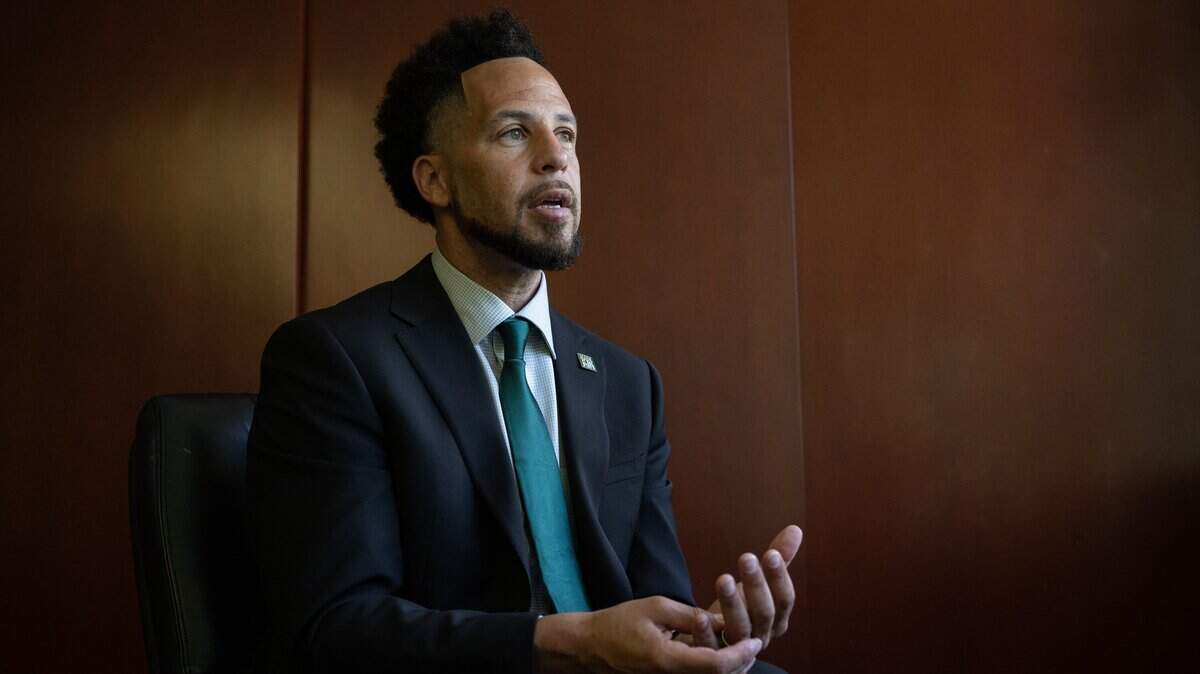
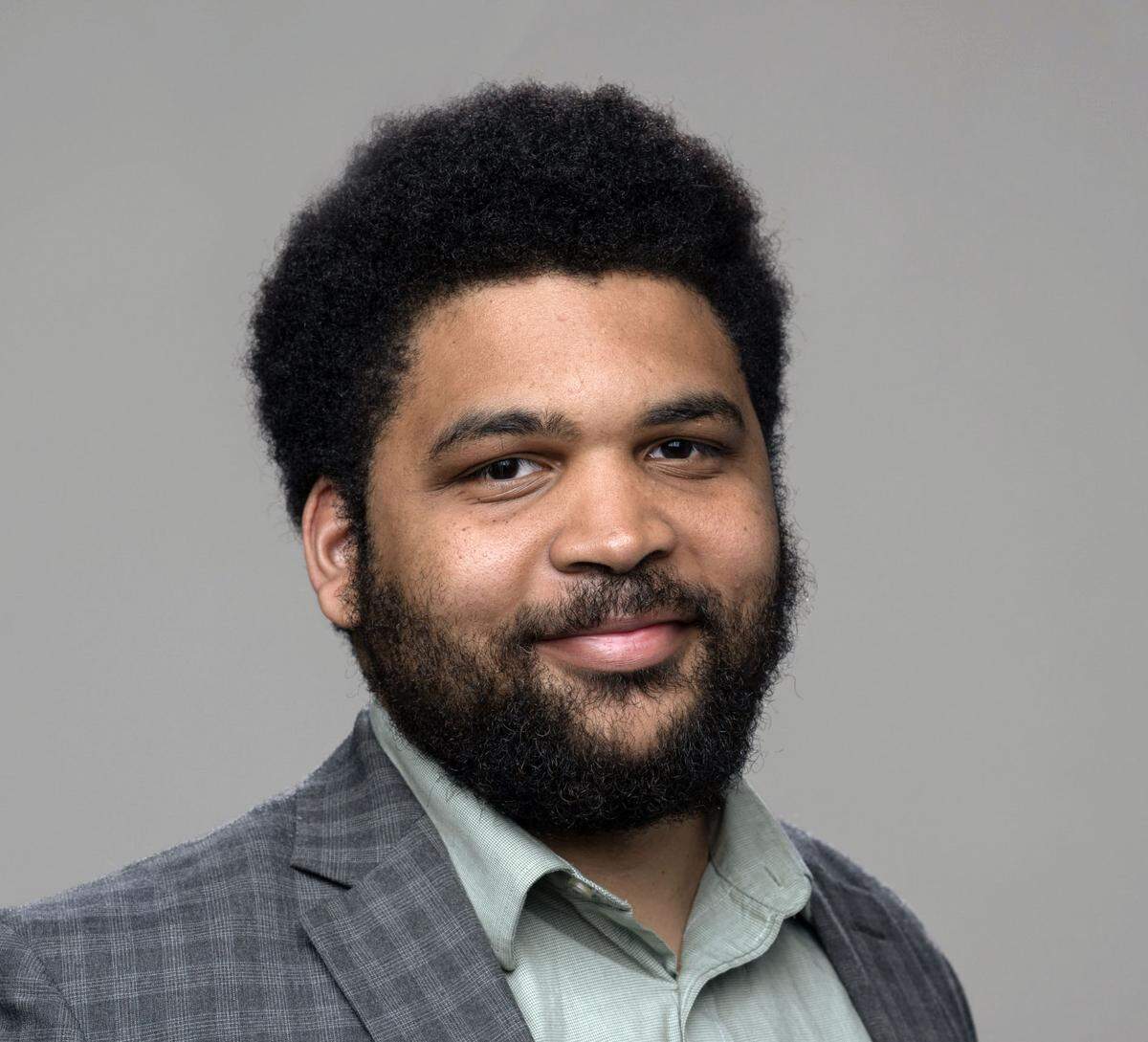
Last week, I talked with Sacramento State President Luke Wood. We discussed a variety of topics, from his rationale behind a Lil Yachty concert that cost $100,000, to the rapid changes he’s making on campus, to some students’ perceptions that he’s prioritizing athletics over academics. This call took place before the announcement that Hornets Football coach Brennan Marion would be leaving campus after just one season.
At one point, I told Wood he sounded like a “mad genius,” as he explained his long-term vision for Sac State. Below is an edited version of our conversation so you can judge for yourself.
Q: Was $100,000 worth spending on the Lil Yachty concert — or for any campus event?
Yes. When we look at the positive benefits of those investments, it’s absolutely worth the dollars. Students are engaged. People are giving money. More people are applying to Sacramento State. More people are coming and visiting the campus.
Here are two points for context: One, Lil Yachty didn’t get paid that amount of money to perform for 10 minutes. He was planning a 25-minute set. We closed it down because we have a disruption protocol, and when people aren’t following directives that make sure that we can ensure health and safety, then above and beyond anything, my role and my responsibility is to keep people safe. We gave them warnings, they didn’t follow it, so we closed it down, and, tell you the truth, I would do it again.
The second part of it is, what people see is a concert, they see a football game, they see a tailgate. I actually don’t see them as any of those things. I see them as large-scale activator events. ... Most of the higher-level donors who have given to Sacramento State over years are ones who were engaged first through athletics, and then athletics led to them supporting the university financially, either through athletics, but primarily through student scholarships. And they were also recruitment events.
At the Quavo concert, we had almost 800 to 1000 students from high schools and community colleges from across the state who came and then filled out “intent to enrolls” and applications, and decided that they wanted to come to Sacramento State. So I never see any single event as a single thing because we have such limited resources. These larger scale activator events help us to accomplish multiple goals at the same time.
Q: Are these concerts just about trying to fill seats at games?
I can’t say that attendance isn’t one of the many things that we think about. But I don’t think that actually attendance is the main reason for the concerts because if you look at some of the artists that we brought, they weren’t going to be big draws. They were going to be more draws that are very specific to niche audiences. We still did it because we wanted to have a diversity of people who were being represented there. We absolutely plan to continue having larger scale activator events through football and men’s and women’s basketball. It’s shown that we can get a better bang for our buck with the dollars and that we can engage more students in doing it.
Q: Whether it’s the Hornets football team vying for a bid to FBS or requiring freshman and sophomores to live on-campus, you’re changing a lot at the school. Why all of this change, now?
This is all intentional to make it so that students are wanting to be here, and that we can generate the revenue that we need to survive. I think if you look at what’s happening across the United States, you’ve got what’s called the enrollment cliff.
The enrollment cliff is that there were fewer people who had babies during the Great Recession. And now, if you look at the time frame, those kids are now in college for the next five years. So there’s fewer college-age students. Every single college and university in the country has been stuck with enrollment. It started on the East Coast, now it’s on the West Coast, and it is significant. It is all encompassing. You’ve seen what’s happened within our own (California State University system) how enrollment has become a challenge, especially if you look at institutions who are in the northern part of the state.
When there’s change in your environment, you’ve got three choices: You can either you can either move, which we can’t move, you can adapt, or you can close down. And what we’re doing is, we’re adapting, so that in the future, when there are truly fewer universities across the country, we’ll be one of the ones that remains.
Q: But Sac State just saw record-breaking enrollment this past year and is one of the fastest growing schools in California, all under the same formula it has had for years. Why change something that is proven to work?
I think that we’re being responsive to the environment that we’re in of “fast change.” It’s not the same world that it was 10 years ago. For example, people don’t do five-year strategic plans right now in higher ed, they do a three-year strategic plan. Why? Because the world is changing faster.
If you look at just the sheer number of executive orders (from President Donald Trump’s administration) that we’ve gotten that have been directed towards us, the amount of change that we’re experiencing is rapid.
I think about things through the lens of what’s called punctuated equilibrium theory. One view of change is what’s called incrementalism, where basically you have slow changes that happen over time. Think about that as what used to be the normal academic calendar. “We’re going to add a new program that’s going to start three years from now. We’re going to make a change and socialize it and have it happen a decade from now.” That is what it would have been like in normal times. But we just came out of the pandemic, into a new presidential administration with significant numbers of executive orders and a state budget cut. We’re in this period of rapid change, and that rapid change requires us to be responsive and move more strategically, but also more expeditiously than in previous years.
Q: What scares you the most about this current climate?
I don’t want to see Sacramento State be in a position where we don’t have the resources to ensure that the high population of first generation, low income, marginalized students don’t have a local option to pursue a higher education. I do think that what every university faces right now is existential.
Q: So you don’t think the criticism you’re seeing comes from the general student body?
No, because we have multiple student bodies that have opportunities to be able to bring concerns directly to us. Of all the 300-plus student organizations that we have, I’ve had one that has in the last month written me a letter expressing something that they would want to see. We have proper channels for all this and the truth is when things go through those channels and people have the information that they know what they’re hearing.
Q: What’s the biggest lesson you’ve learned over the past few months?
More intentionality around providing opportunities for our campus community to engage me, which is what we’ve started doing about a month ago, and we’ve done a number more town halls. More conversations with students, and just making sure that as we’re doing this change, we’re communicating “the why.” I think that there’s a lot of intentional misinformation out there, and it is part of a concerted effort and campaign to undermine what we’re doing.
This story was originally published December 7, 2025 at 5:00 AM.