The Reiner tragedy shows how little help there is for California’s mentally ill | Opinion

In many voices since the murder of Hollywood actor and director Rob Reiner, I’ve heard profound grief from everyone who loved his movies, but I’ve also heard a quiet undertone, a despairing refrain:
“If they couldn’t help their son, what can we possibly do?”
What they mean is: If Reiner and his wife, Michele Singer Reiner, with all of their resources, connections and money, can be the alleged murder victims of a mentally-ill family member, what can the average person possibly do to help — or even survive — their own family member who suffers from serious mental health issues?
In the days following the news that the couple was killed in their home due to multiple stab wounds, their 32-year-old son, Nick Reiner, was arrested for two counts of first-degree murder in connection with their deaths.
Nick Reiner had apparently been in and out of homelessness during his adult life and struggled with drug addiction since his early teens. He once said publicly that he had been in rehab at least 18 times as a teenager. A close family friend reported Michele recently saying, “We’ve tried everything,” and “We don’t know what else to do.”
It’s a familiar plea that many families have said to friends in desperation.
Approximately one in seven adults in California lives with a mental illness, according to the California Health Care Foundation. But 1 in 26 adults in California live with a serious mental illness that they self-report “markedly affects their daily lives,” according to a study from April 2025.
The Reiners, as Californians, were far from alone in living with a family member who suffers from psychosis or severe mood and thought disruptions. That their lives ended tragically despite the considerable financial resources available to them adds poignancy to the precious few options available to the average California family coping with serious mental illness on a budget.
In 2022, Gov. Gavin Newsom signed legislation meant to address the crisis faced by the Reiners and many others. The Community Assistance, Recovery and Empowerment program (CARE Court) was created in part to follow through on Newsom’s campaign promises to tackle the twin crises of mental health and homelessness in the state of California. CARE Court would serve to remand people struggling with schizophrenia spectrum (and other, narrowly-defined psychotic disorders) into a voluntary, community-based treatment program, through a civil court order.
Families, behavioral health professionals, first responders and even the individuals themselves could petition the courts to start the process, which involves regular meetings with a caseworker and court hearings, to create a personalized treatment protocol.
But nearly three years later, CARE Courts have made little impact.
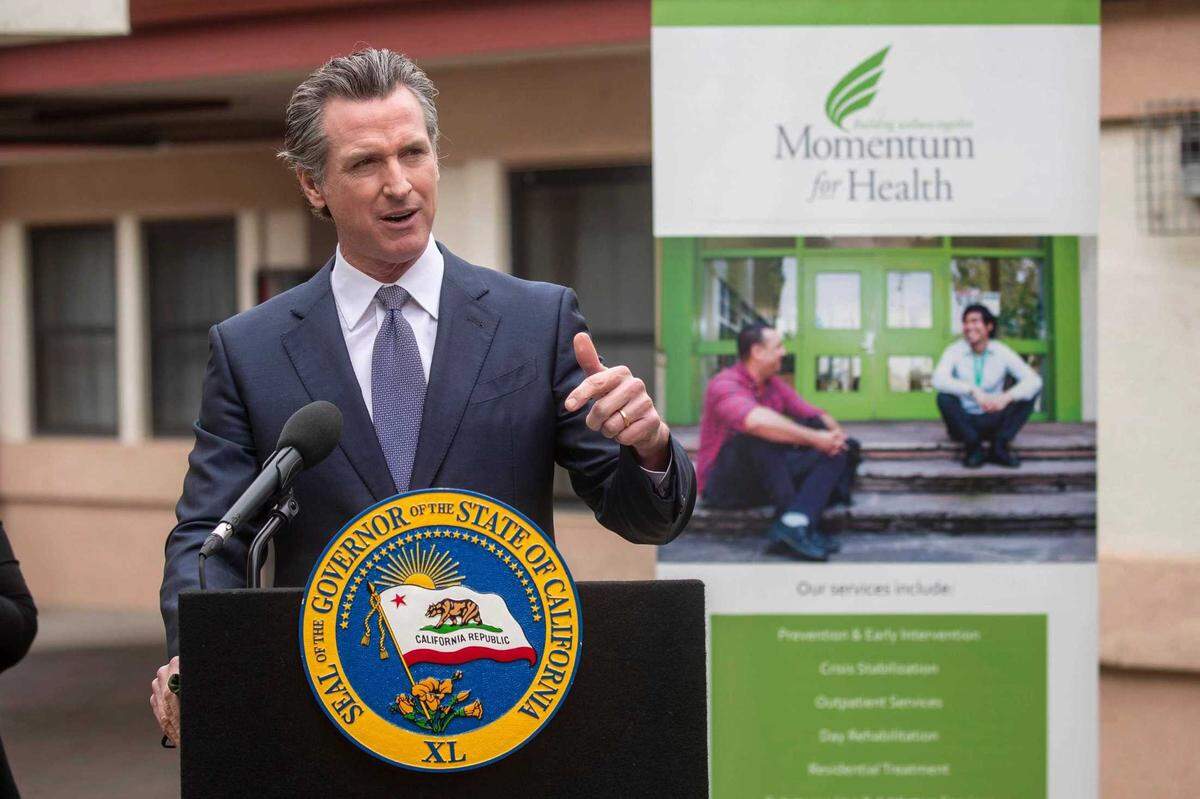
New reporting by CalMatters found that, while officials had estimated between 7,000 and 12,000 Californians would qualify for CARE Court, just 2,421 petitions have been filed through July 2025. According to the Judicial Council of California, only 528 of those petitions have resulted in treatment agreements or plans.
“The allure of CARE Court for many supporters was the promise of court-ordered treatment plans that would encourage sick people to accept the help they’d been resisting,” CalMatters reported, “but the courts have ordered just 14 treatment plans so far, according to the Judicial Council. Instead, most counties are solely offering voluntary treatment ‘agreements,’ which sick people are free to ignore.”
Los Angeles County, where the Reiner family lived, saw the most CARE Court petitions filed — 511 — but no one there has successfully “graduated” the program, a process that takes a year to complete. In fact, of the more than 2,400 petitions filed since the program began, just 19 people in the state have graduated.
And it costs a whole lot of money for just 19 people: According to an analysis by the Legislative Analyst’s Office, the state spent $88.3 million on the program in the 2022-23 fiscal year, and $71.3 million in 2023-24.
CARE Court, which was touted by the Newsom administration as a mandate to bring seriously mentally ill people off the streets of California and into care, now looks like an unmitigated failure.
Nick Reiner’s personal mental health remains a mystery to the public, and so it would be unfair to suggest that he might have benefited from enrollment in the CARE Court program. But it’s clear that he regularly struggled with his mental health, and his family was at their wits’ end — as so many families are. And CARE Court is one of the few options available to the average Californian.
But imagine a California where the mental health programs weren’t gutted by political bickering, and the nearly 1,243,000 adults who live with a serious mental condition could receive the help they desperately need? The CARE Court legislation as originally introduced included mandatory treatment options, required counties to provide mental health services and prioritized care access over court processes. That was all ultimately stripped from the bill during the amendment process.
Now, the California court system will finally have a role in determining Nick Reiner’s future. But it’s only after the worst possible scenario has occurred. That’s why CARE Court judges should be able to compel treatment.
Given how beloved the Reiners were in the entertainment industry, as well as in California politics, perhaps something good can ultimately come from this horrible tragedy? This tragedy should be the impetus for giving the CARE Court program the power it needs to succeed, and finally giving some hope and relief to families who desperately need something more to help.