CA’s death penalty is broken, says Newsom. So why won’t he end it for good? | Opinion
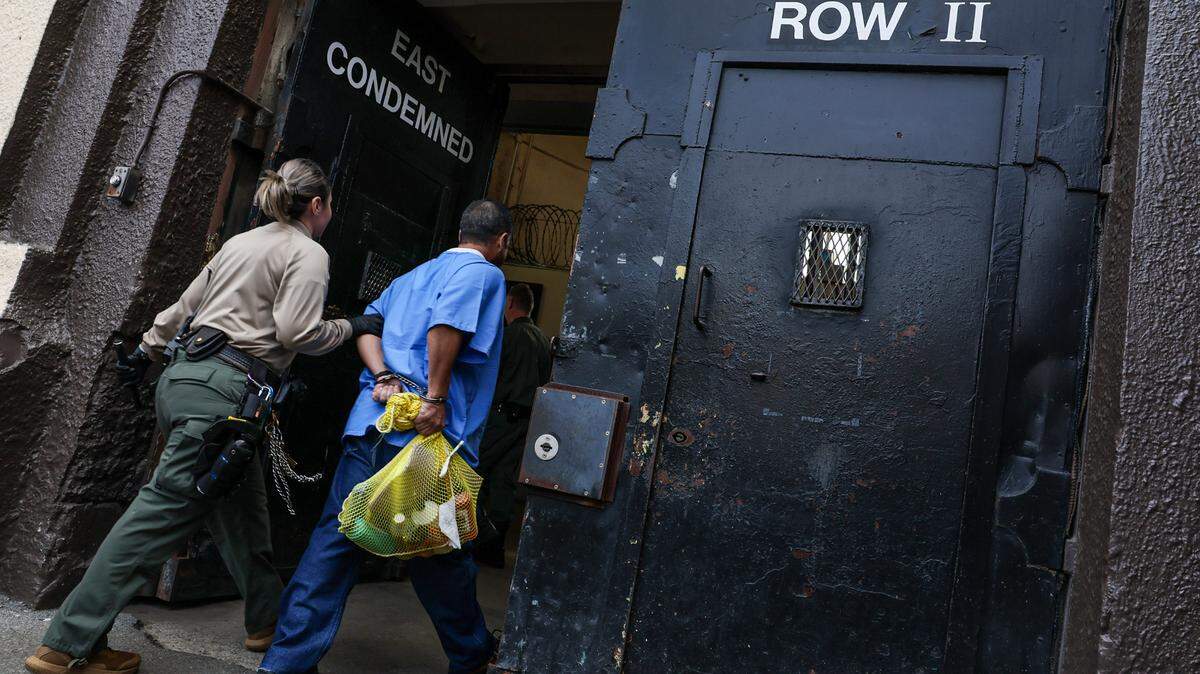
At 12:38 a.m on Jan. 17, 2006, the state of California executed Clarence Ray Allen, 76, by lethal injection inside San Quentin State Prison. Allen had been convicted of three counts of first degree murder with special circumstances, and had been sent to Death Row in 1982, nearly a quarter of a century prior.
Now, on the 20th anniversary of the state’s most recent execution, civil rights advocates are pushing to make this California’s last execution ever by ending the state’s death penalty. They want Gov. Gavin Newsom to begin the lengthy legal process to commute the sentences of nearly 600 Death Row inmates and stop the charade of seeking the death penalty — a punishment that does little to deter capital crimes, and costs the state billions to pursue — only to see those inmates sit in capital punishment stasis for years.
There is some hope.
In 2019, Newsom signed an executive order that placed a moratorium on the death penalty in California, ended California’s lethal injection protocols and immediately closed the execution chamber at San Quentin.
Newsom said the state’s “death penalty system has been, by all measures, a failure.” According to the Death Penalty Information Center, the number of inmates on California’s Death Row recently fell under 600 for the first time in decades, no doubt in part due to the governor’s moratorium, and in part because of the cost of pursuing a death penalty case.
In 2020, the governor filed an amicus brief before the California Supreme Court in support of a death row inmate appealing a case that involved issues of racial bias: “California’s capital punishment scheme is now, and always has been, infected by racism,” Newsom said in the brief.
But since then, the governor has done little to further the end of death penalty recommendations in California. And the state’s death row inmates sit in a legal purgatory that could revert — or be interminably extended — by the next occupant of the governor’s desk.
Even putting questions of morality or public support aside, the process of commuting 600 Death Row sentences is not as easy as the governor signing a piece of paper.
The California state constitution requires that any prisoner with multiple felony convictions cannot have their death sentences unilaterally commuted by the governor. Newsom would need to signal his intent, but nearly two thirds of current Death Row prisoners would need to be approved for commutation by the state’s Supreme Court.
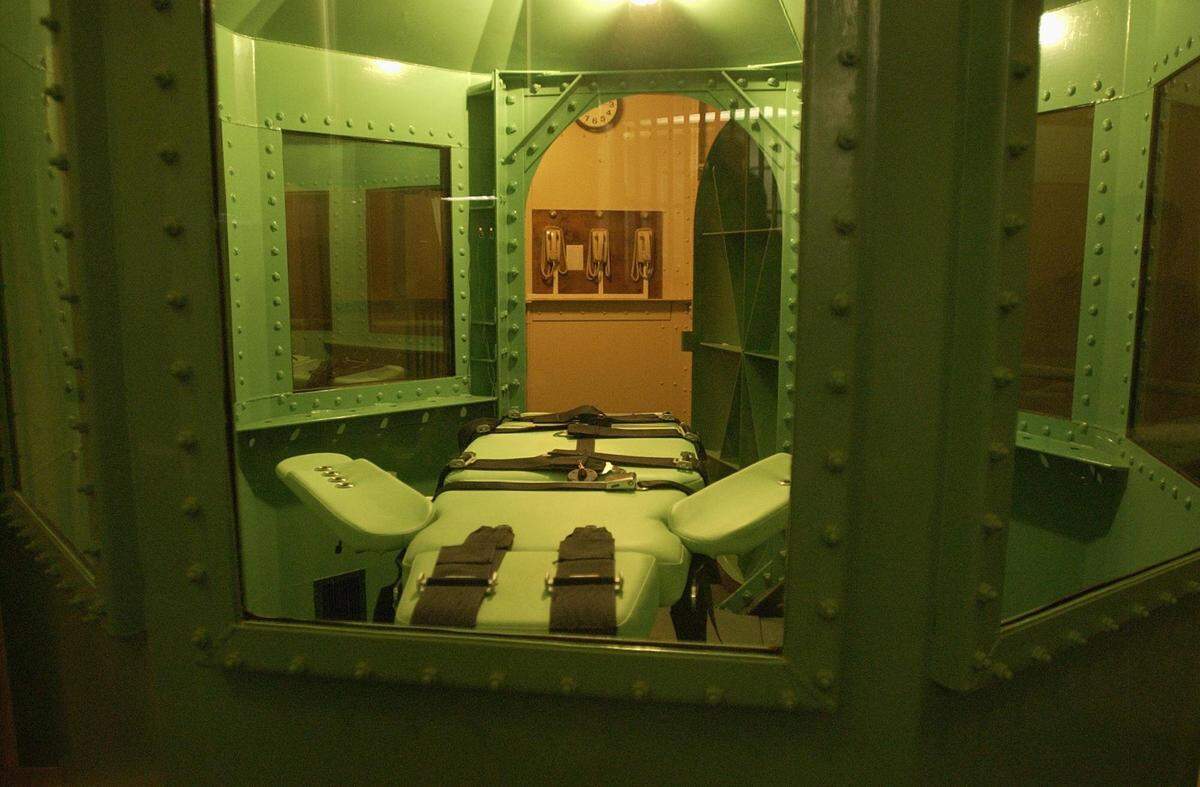
“It’s not simple. It’s not something he can just do on his last day in office,” said Natasha Minsker, an attorney and consultant, who previously spent 14 years at the American Civil Liberties Union and a decade as its Director of Death Penalty Policy.
“So now is a good time to be asking: What is the future of the death penalty in California?” she said.
Newsom’s dilemma
“The intentional killing of another person is wrong, and, as governor, I will not oversee the execution of any individual,” Newsom said when he signed the moratorium in 2019.
Newsom cited evidence that the death penalty system regularly discriminated against defendants who are mentally ill, Black and brown or who cannot afford expensive legal representation. It provides little to no public safety benefit or any value as a deterrent, and it has wasted billions of taxpayer dollars.
“Most of all, the death penalty is absolute,” Newsom said. “It’s irreversible and irreparable in the event of human error.”
And yet, Newsom has been frustratingly unclear about what he will do with the few months he has left in office to fully erase the death penalty as an option for prosecutors. It doesn’t bode well for those who say the governor needs to move quickly.
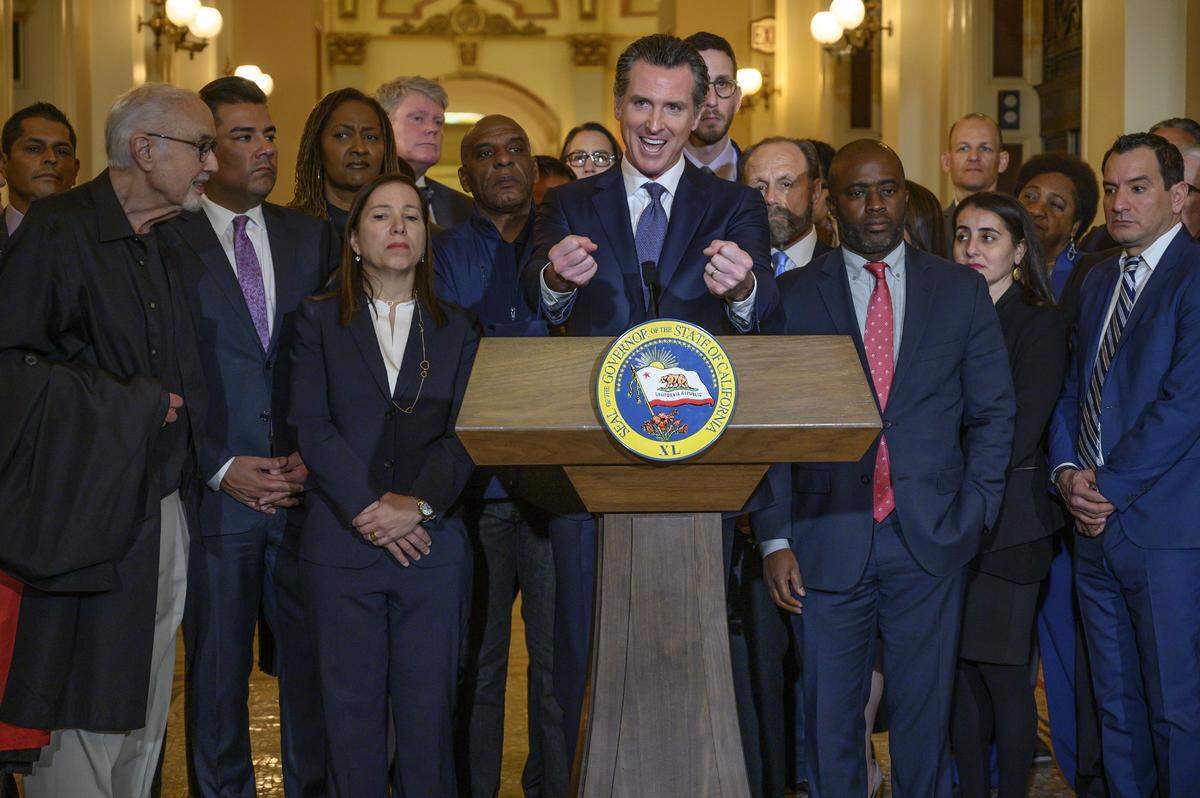
In a written statement to The Bee, a Newsom spokesperson wasn’t clear about Newsom’s next steps on the issue.
“The governor has long made clear his concerns about California’s current death penalty system, which is why he implemented his March 2019 Moratorium,” said Newsom spokesperson Diana Crofts-Pelayo. “California will continue our work to move beyond Death Row — in a way that is respectful to crime victims, survivors and their families.”
California will continue the work … but not Newsom?
It’s becoming increasingly clear that, as our governor considers a run at the White House, he’s unlikely to do anything controversial that could jeopardize the votes of the nation’s conservative voters. But that idea may be misguided.
While support for the death penalty is higher among Republicans than among Democrats and Independents, there have been case studies across the country that prove public opinion is shifting.
In 2019, conservative legislators sponsored death penalty abolition bills in 11 states, including Wyoming, Montana and Kentucky, and conservatives are playing critical roles in bipartisan efforts to repeal or reform capital punishment in states such as Virginia, Ohio and New Hampshire, according to the Death Penalty Information Center.
The cost of death
The governor’s office reported that, between 1978 and 2019, California had spent $5 billion on a death penalty system that has executed 13 people. Most of those costs go toward trial costs, automatic appeals and federal habeas corpus appeals.
“Of the 591 people sentenced to death, half of them don’t have a lawyer,” Minsker said. “And (they) can’t move forward … without a lawyer. The cases just take literally decades.”
Even if the governor wanted to carry out executions, she said, the vast majority of Death Row cases never reach that point in the legal system, in no small part because the prisoners die still awaiting trial.
.JPG "California Death Penalty (1).JPG")
Only about a dozen California counties still regularly charge the death penalty at all, and half of those use it for leverage or in plea bargaining, Minsker said.
In a 2015 article, Professor Robert J. Smith of the University of North Carolina at Chapel Hill called Riverside County, “the buckle of a new Death Belt,” because it — alongside Kern, Orange and San Bernardino counties — has replaced the Deep South in producing death sentences.
But in Northern California, it’s Sacramento County that is the most aggressive — with 11 death penalty charges in the last 10 years.
The California Department of Corrections and Rehabilitation reported that 13 death-sentenced people died on Death Row in 2025. That’s the largest number on record, except for in 2020, when 19 prisoners died, at least a dozen of those due to a COVID outbreak in San Quentin, the Death Penalty Information Center reports.
Since the 1970s, only 13 men have been executed in California while 180 people have died on Death Row in that same time. Twice as many condemned people have committed suicide in California awaiting execution as have actually been executed.
California is spending billions of dollars on a system that is stuck in limbo, for the benefit of a symbolic penalty — Death Row — that means nothing. Newsom’s past actions have made it clear that he deplores capital punishment as deeply as many civil rights advocates, and he has it in his power now to end the death penalty once and for all in California.
What’s stopping him?