Elk Grove’s NIMBY playbook: Push the poor to the edges of town | Opinion
If you want to see a shining example of the powerful “Not in My Backyard” attitude in California, look no further than Sacramento’s neighbor to the south, Elk Grove.
Over and over again, the Elk Grove City Council has embraced NIMBYism and pushed homeless shelters to the absolute outskirts of their city, at the behest of residents who — God forbid — should have to live near anyone poor.
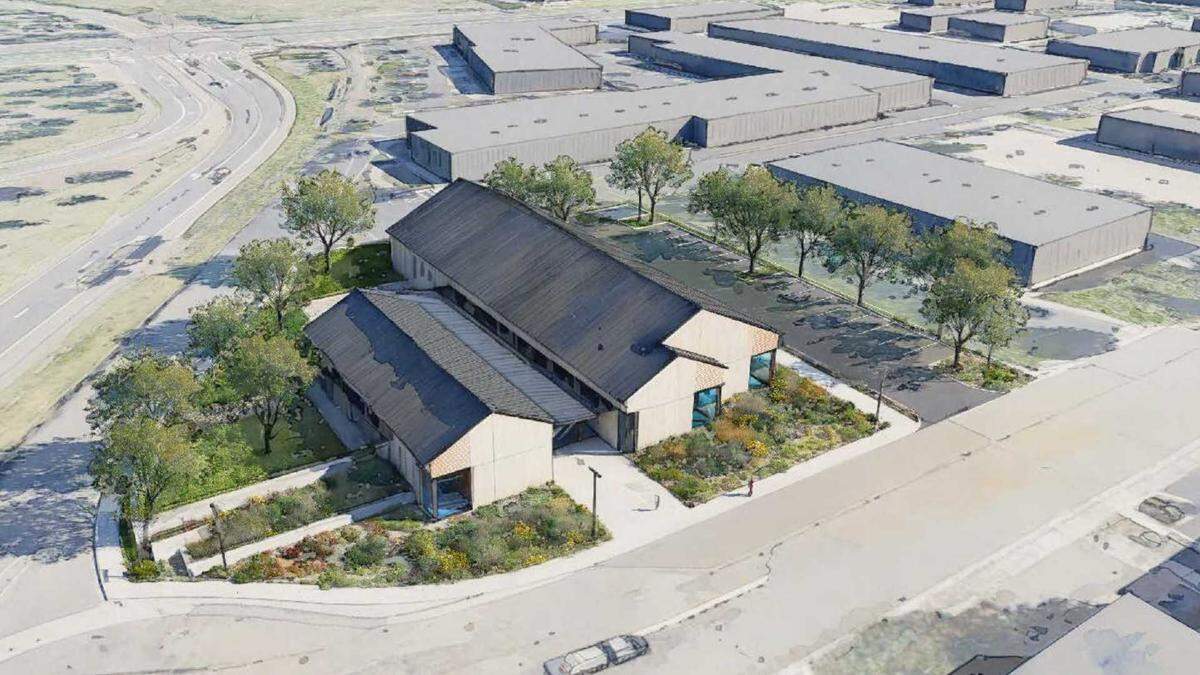
Their decision on Wednesday to place the city’s first permanent homeless shelter in an industrial area is just the latest in a long line of poor decisions wrapped up in a bow of false accomplishment by this council, which went about patting themselves on the back this week for approving a site at the city’s far southeastern intersection of Survey Road and East Stockton Boulevard.
City staff has approval to negotiate a purchase of the site, and will return to the council shortly with a proposed acquisition agreement. It is expected to cost between $12 million and $14.5 million; The Bee reported.
City officials considered two other sites for the homeless shelter, including one in the northwest area of town off Dwight Road, and one in the middle of town, on East Stockton Boulevard near Bond Road.
Residents in Elk Grove lobbied hard against the approval of the Dwight Road site, partly because of its proximity to “sensitive uses” such as homes, schools, parks and day care facilities, as though poor and homeless people are not also in need of homes, schools, parks and shouldn’t have the ability to access them as easily as any other class of people.
And given that most shelter residents will have to rely on public transportation, it seems obvious that the only viable site location would have been the second option, off East Stockton Boulevard, south of Bond Road, not only for its proximity to services but also for the excellent viability of the site according to the city’s own staff report.
“I am not against the project. I’m just against the prioritization of the needs of 20 to 25 citizens over the needs of the community,” Elk Grove resident Melissa Stone said in a stunning display of exactly how NIMBYism works.
The only city councilmember who diverged from his NIMBY colleagues was Rod Brewer, who said the shelter would give people “a fighting chance” and ranked the East Stockton Boulevard site first because it was more accessible to services.
“At the end of the day, we do have an ethical and moral obligation to care for one another,” Brewer said. “If you are in disagreement with that, I will be praying for you.”
Brewer was also the sole vote against Councilmember Sergio Robles’ motion to only consider the Survey Road site, which ultimately passed 4-1.
Councilmember Kevin Spease ranked the Survey Road site first, saying that, based on community feedback, cost and safety. He suggested providing transportation for shelter guests since it is so far removed from the city services residents will rely on and businesses they will work at and patronize. That admission is at least a start, I guess.
Elk Grove Mayor Bobbie Singh-Allen defended the Survey Road site via text, calling it a “growing part of the city that will be near future residential and commercial development.”
“Even now, the site is adjacent to jobs and retail, but when it opens in three years, there will be much more,” she wrote. “The most important thing is getting a shelter built.”
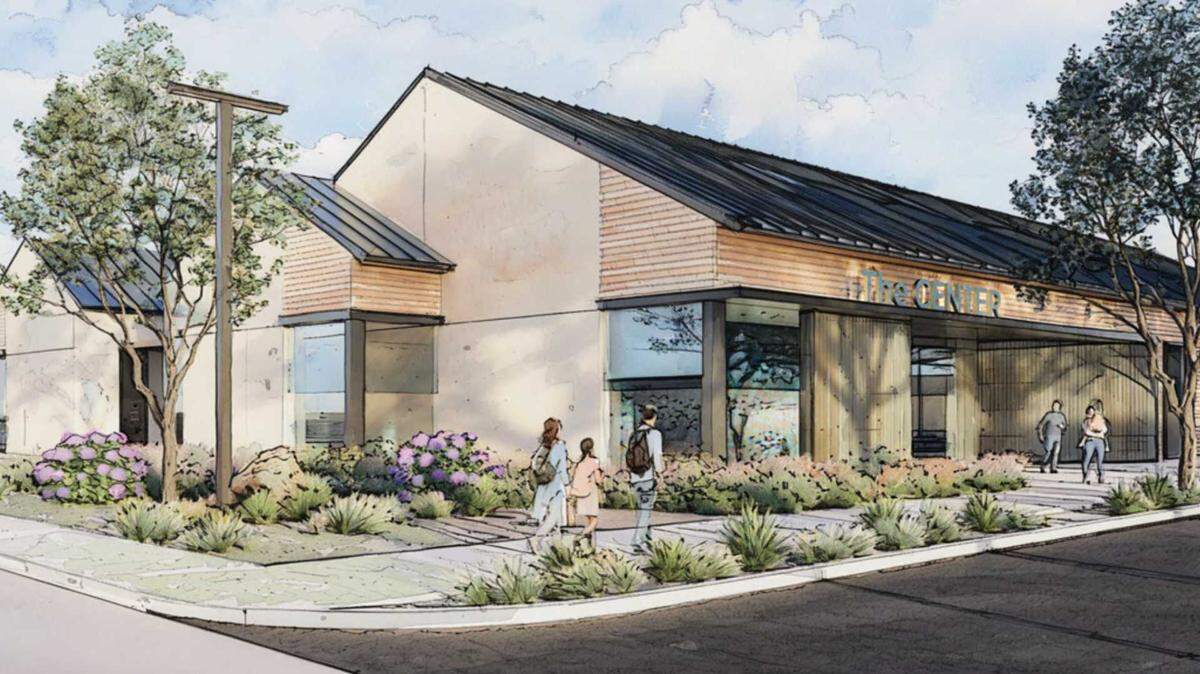
Singh-Allen said the city went through a thorough review process that considered proximity to “sensitive uses” (like parks?), proximity to services and jobs, cost and feasibility, safety and access to transportation. “The facility is going to be beautiful, inviting and functional, and something our community can be proud of,” the mayor wrote.
(In fact, the city staff’s report ranked the Survey Road site last among the three site options considered for proximity to transportation and city services, while the East Stockton Road site ranked best across the board. Staff wrote that the Survey Road site had the “poorest transportation options, with biking and walking requiring travel in heavy traffic areas” and as the smallest parcel, its selection “would prevent any future expansion.”)
I am concerned that the city of Elk Grove continues making land use decisions in ways that could be interpreted as a modern-day form of redlining the poor.
This was never clearer than when California Attorney General Rob Bonta had to sue the city in 2023 after the city council blocked an affordable housing complex in the heart of the Old Town neighborhood, despite approving a market-rate complex just a few blocks away. That site never went ahead, and was pushed instead to, again, on the northern outskirts of the city.
California is in a housing deficit because of this sort of NIMBY behavior. “Local control,” which Elk Grove demanded it retain, is exactly what got California into this housing shortage crisis and has fed the explosion of homelessness in California.
I truly hope that Singh-Allen is right that Elk Grove has expanded its commercial and residential areas to encompass this far southeastern tip of their city — because right now, it’s got one corner shopping center, surrounded by industrial zoning, a casino and agricultural fields.
The least they could do is put a city park nearby, as the nearest one to the Survey Road location is a half-hour’s walk away and requires walking up the highway. Or is access to nature too “sensitive” for poor people to have?