Gendered abuse, harassment targets women in Sacramento’s public eye | Opinion
For women, pursuing a career in the public spotlight — as an elected official or, as I can personally attest to, as a journalist — often amplifies the experience to degrees that are intolerable. Add in layers of religion and race, and the harassment becomes even more frequent, intense and despicable.
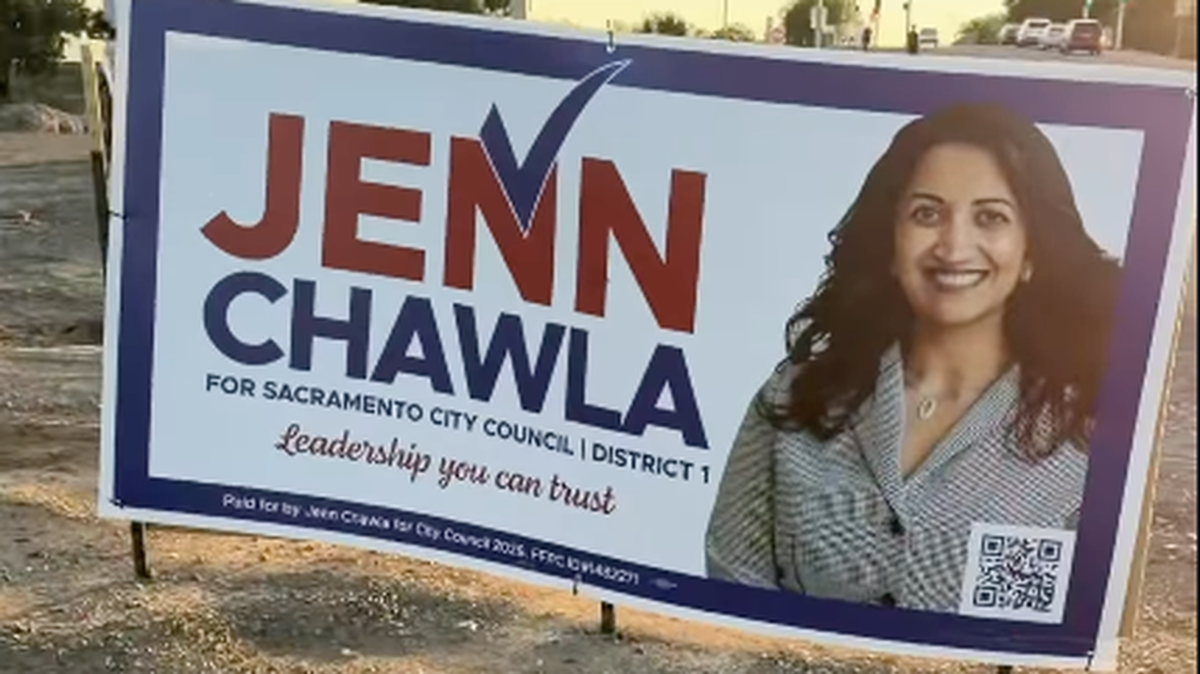
Sacramento is hardly immune to this ugliness. In the past two weeks, Jenn Chawla, a candidate for Sacramento City Council’s District 1, has faced targeted harassment in three separate incidents, both online and through texts, and on multiple campaign signs defaced with racist slurs referencing her Indian heritage.
“I’ve gotten comments here and there, but I’ve ignored them,” Chawla told me. “I’m taking these more seriously because they’re so vile, and I feel like they need to be addressed.”
Chawla has reported the defaced signs to the Sacramento Police Department, who, she said, responded immediately and assigned a detective to the case. But realistically, she said, with so little evidence, it’s unlikely a suspect will be identified. The texts, on the other hand, are tied to a specific number, and the Facebook commenters are easily identified as well. Chawla said she was grateful that her community stepped in to protest the latter, and the comments online were ultimately removed.
But Chawla, like every other woman who has been harassed, knows the risks of reporting or going public with her story:
“If you stay quiet then you suffer quietly. And if you bring it out to the public, then you open yourself up to accusations,” she said. “Women have had enough of this. We’re sick.”
Statistically, women in public life — especially elected officials, activists and journalists — face higher levels of psychological violence, harassment and threats tied to their gender, according to the United Nations agency, UN Women.
In 2017, Amnesty International polled 4,000 women across eight democratic, high-income countries (including the U.S.) and found that more than 75 percent of those women had experienced some form of abuse on social media platforms.
Personally, I believe that a fomenting public backlash to the #MeToo movement and the increasing, blatant harassment of women by our own President, Donald Trump — a convicted sexual abuser whose name reportedly appears in the Epstein Files more than 1 million times — has led to increased permissibility of what was once deemed intolerable behavior by society.
In short: It’s brought the crazies out of the woodwork.
Nearly every elected woman I spoke to about this topic over the years has had a story to share, or multiple instances of harassment, gender-based violence or stalking.
Chawla’s opponent in the D1 race, incumbent city council member Lisa Kaplan, said in a text that she has also faced harassment while in office and on the campaign trail, including “vile rhetoric, fake AI social media posts, inappropriate pictures and intimidation tactics that seek to diminish my voice solely because of my gender and my Jewish faith.”
In 2022, while first campaigning for office, council members Karina Talamantes and Caity Maple, along with former city council member Katie Valenzuela and State Sen. Angelique Ashby, were the targets of a local man who threatened their lives and stalked at least one of them.
The man, who had prior convictions for assault, was ultimately charged with two felony counts of threatening the life of a government official and one felony charge of threatening to commit a crime resulting in death or great bodily injury.
“It’s unacceptable that I have to fear for my own safety,” Talamantes said in a statement at the time. “More must be done to protect women who choose to run for office (and) participate in the governance structure of our country.”
And yet, I fear little has been done in the intervening years to make women who run for office or serve in their communities any safer, as evidenced by the ongoing harassment targeted at Chawla, Kaplan, Talamantes, Ashby and far too many more.
This is also a personal subject for me, as I am also often the target of gender-based harassment and threats pertaining to my job as a columnist for The Sacramento Bee.
I, like nearly every public-facing woman in service to her community, have heard vile slurs and violent threats directed at me for daring to express an opinion that a man disagrees with.
And I, like these other women in the public eye, often have to make a choice: Either swallow my fear and helplessness to move forward — or beg for some protection, or even just recognition of the problem, in a world that offers little of either.
You either stay silent to the ugliness and quietly move on, or speak up in hope that recognition of the problem may help it go away, if not for you, then perhaps for other women, as Chawla decided to do.
What it truly means though, is that Sacramento is no safe harbor for women pursuing their dreams of leadership.