Coffee shop confession: California must regulate paid political influencers | Opinion
It’s not atypical to see lawmakers and government officials meeting at local coffee shops or restaurants, especially within walking distance of the Capitol.
Which is why, while working at a table inside a coffee shop on R Street last week, I wasn’t particularly surprised when Adam Silver, chair of the Fair Political Practices Commission, sat down at one of the tables next to me.
But then I heard him joke to his coffee companion that he was glad there wasn’t a reporter around to overhear their conversation.
Consider my attention fully piqued.
The chairman went on to explain that numerous complaints have been filed with the FPPC this year regarding non-disclosure by influencers, and he expressed his support for regulation that would impose liability for those omissions, where none currently exists. He also admitted that, even though any law passed wouldn’t take effect until the new year (and therefore after the election), he was hesitant to pursue changes to the law in the middle of an election year — because it might make the commission look bad.
It was more than a little ironic to overhear a shoptalk about transparency in politics discussed so openly in public.
To his credit, when I asked about Silver’s conversation, the FPPC sent over numerous, publicly-available documents that confirmed it has received 20 or so complaints against various candidates in the recent election cycle.
Silver told me he has been meeting with various stakeholders to discuss his personal support of Assembly Bill 1130 by Asm. Marc Berman, D-Menlo Park. It would amend the Political Reform Act of 1974 and make it easier for the FPPC to file injunctions on (and to prosecute) candidates and influencers who fail to disclose political ad payments.
According to the FPPC, under existing law, campaign committees are required to notify influencers of their obligation to disclose payment, but the law expressly limits the influencer’s liability and does not provide liability for campaign committees if the disclosures are omitted.
That creates a gap in accountability, which can limit the FPPC’s ability to ensure transparency.
AB 1130 is regulation long overdue: The social media landscape, much of it headquartered in California, has far outpaced the state’s legislation containing it; and Californians deserve to know when their social media feeds are showing paid political content, especially as AI-created content and deepfakes are becoming harder to spot.
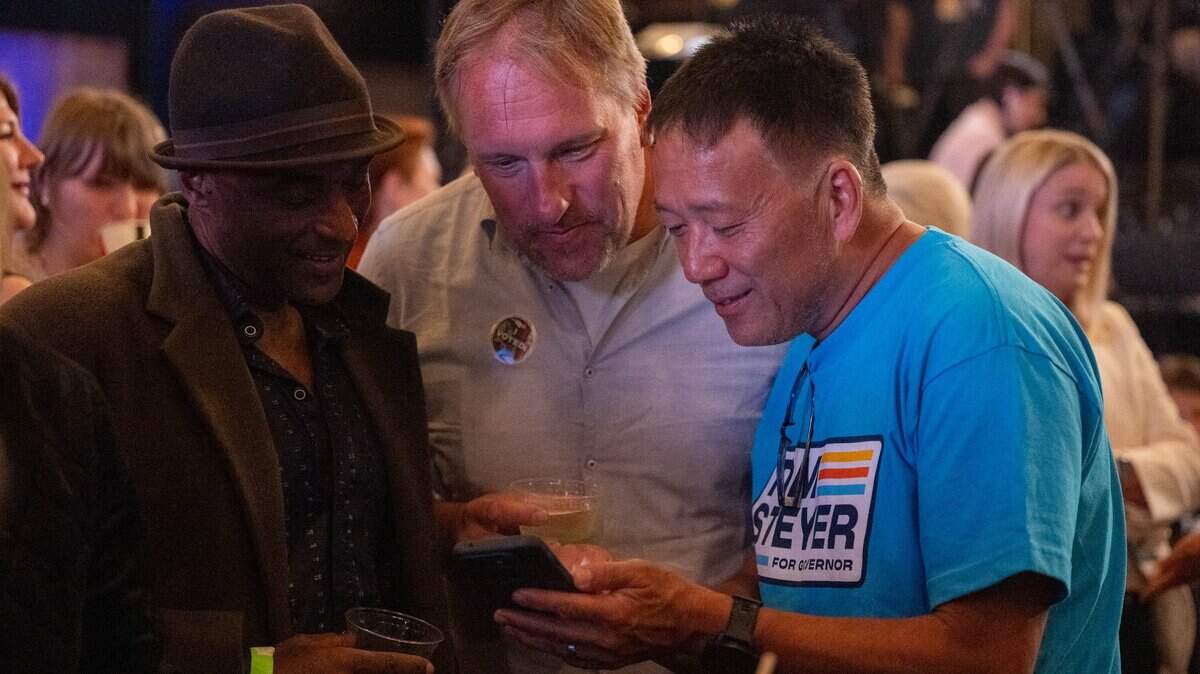
There have already been several complaints this year about candidates paying influencers with large followings to make positive posts about their campaigns. Billionaire gubernatorial candidate Tom Steyer received the bulk of attention for the shady practice, but the documents included multiple, similar complaints made against Xavier Becerra, the Democratic nominee running for governor, as well as some complaints against Los Angeles mayoral candidate, Nithya Raman.
When I spoke to Silver about what I’d overheard in the coffee shop, he didn’t deny it: “I meet with folks from both sides of the aisle, good government groups, members of the public… I don’t find what I said to be controversial or confidential.”
But he admitted that his hesitancy to weigh in during an election was because, “in a sense, what you’re going to do is signalling to the public that this conduct should be illegal.”
“(It signals) we think it’s not ethical,” Silver said.
Election cycle or not: Paying for undisclosed ads is definitely unethical and already illegal — hence the complaints.
The recent behavior by Steyer, Becerra and others demonstrate why California must tighten these loopholes as soon as possible. And any conceivable time frame to do so would naturally fall during an election year — since poor conduct generally spurs punitive action, not the other way around.
Berman’s bill is excellent and worthy of support from the public, the legislature and the FPPC alike. It could even be called long overdue. But it proves the loophole is real and campaigns are taking advantage of it; and even the chair of the FPPC admits that fixing it mid-election is going to be uncomfortable for everyone.
But caution cannot become paralysis when undisclosed political advertising by influencers is already shaping our elections.