
World Cup welcomes the world. American immigration policies shut it out | Opinion
Sacramento feels electric with World Cup unity. Bars are draped in international flags, fans in their team’s colors fill the streets, and strangers strike up friendships over shared matches.
These scenes and others across the United States - Kansas residents showing love to the team from Algeria; Bostonians feeling affection for the fans from Scotland - give the impression of America embracing the world.
It’s a shame that American immigration policies tell a different, restrictive story that runs counter to the brotherhood among global neighbors created by World Cup.
Just ask Kalidou Koulibaly, captain of the west African squad of Senegal, who had to play on the world’s biggest stage without the support of countless Senegalese fans — because U.S. travel restrictions have barred many from attending. The same sweeping ban has hit Ivory Coast, Iran, and Haiti, denying entire communities the chance to cheer for their teams in person. Even Koulibaly’s own family faced a bureaucratic maze just to watch him play. “I don’t want to speak about politics,” he said. “I just want to enjoy football — and football is for everybody.”
Cape Verde’s goalkeeper Vozinha helped the small nation off the western coast of Africa draw with Spain in a heroic performance, but he broke down after the match — not just from joy, but because visa issues kept his mother from watching him play. She, like so many others, was shut out by America’s barriers.
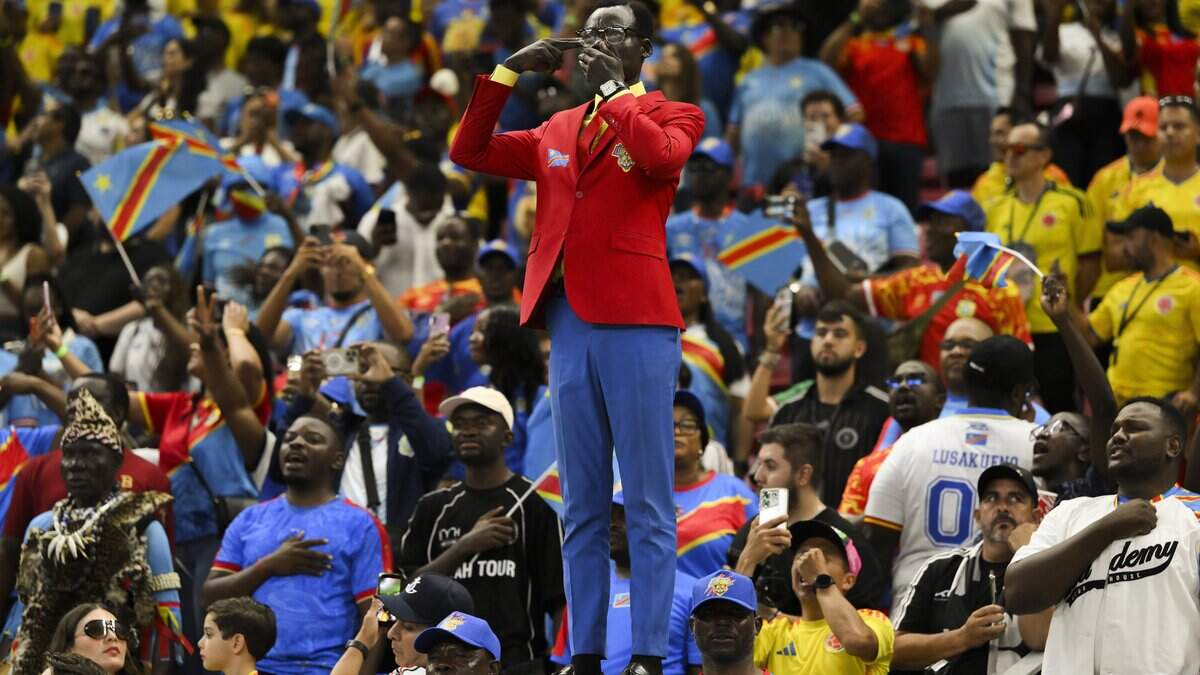
Even iconic fans, like the Democratic Republic of the Congo’s ‘Lumumba Vea,’ aren’t sure they’ll be allowed to follow their teams if the next match is in the United States. The Iranian team, meanwhile, wasn’t even allowed to set up a base camp here and had to operate out of Mexico instead.
So when we talk about the World Cup “uniting the world,” it’s worth asking: who’s actually being let in?
In America, the gates are open only for some. The celebration is real for those inside, but outside, too many are left waiting at the border, never allowed to join the party. This isn’t just about the World Cup. Across the country, the U.S. is doubling down on exclusion. Immigration courts are fast-tracking cases and removing judges — over 100 since January 2025 — in pursuit of aggressive deportation goals. Cases are reassigned, families and attorneys are left scrambling, and due process suffers.
The message is clear: fewer people are welcome, and even fewer are allowed to stay. Today, only a select few are allowed to feel like they belong in America or join in the World Cup celebration. The old idea of a melting pot has been replaced by closed doors, hurried deportations, and a shrinking definition of who counts as welcome.
So while the world celebrates unity on the pitch, America’s gates and courtrooms tell another story, one of exclusion, fear, and bureaucracy. The banners say welcome, but the policies say otherwise.