
California must fight for video game rights in PlayStation’s all-digital era | Opinion
From the time I was six years old to now, at 32, my soul still ignites when I open one of my many game cases and hear the pop as I pull the disk from the spindle and place it into one of my video game consoles.
There is nothing quite like playing a video game — the anticipation as the console whirs to life, the tactile sensation of the disc in my hand, and the ritual of waiting patiently until I see the best words in all of gaming: press start, the universal invitation to begin an adventure. These are more than habits; they are a source of comfort, nostalgia and connection to my own story as a gamer.
The joy from that moment, which fills me and countless others, is rooted in the physical disc. Unlike digital downloads, physical media means discs or cartridges you can actually hold, sell, lend or keep on your shelf. But that experience is rapidly disappearing, fading with every ill-advised decision from the industry’s biggest companies.
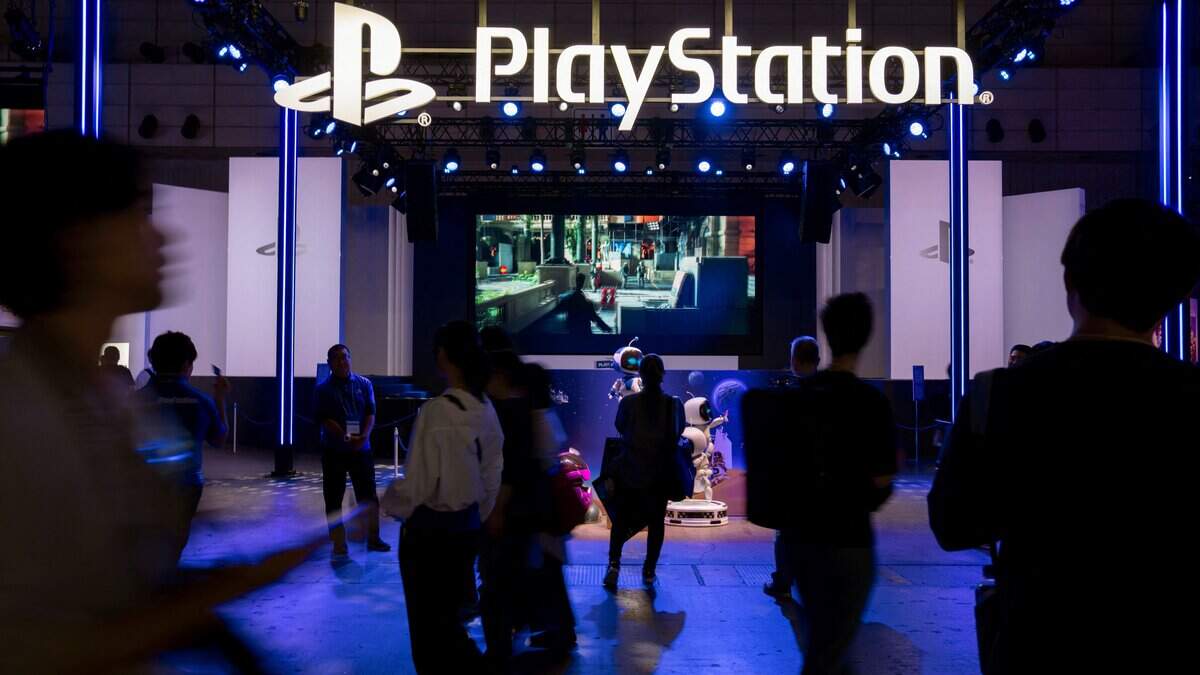
Sony PlayStation, which stands alongside Nintendo and Xbox as one of the three behemoth companies, has recently announced it will discontinue physical disc releases for all new games starting in January 2028. Instead, new games will stream through the internet to the user’s control box, making the disc as a vital keeper of information obsolete.
The video game industry is making it clear: Games needing discs are becoming a thing of the past. But as the landscape shifts, the need to preserve access, ownership and gaming culture has never been more important.
Physical media is the bedrock of gaming
For Travis Boune, owner of 1-Up Retro Games in Midtown Sacramento, physical games aren’t just inventory; they’re an archive. “When you look in the case, it’s things people still want to play, but it’s also frozen in time,” he says. “All this stuff is still accessible, but we’ve preserved it through decades.” In his shop, shelves of cartridges and discs double as a timeline of gaming history — something no digital storefront can promise to keep alive forever.
The first game that he ever got was Link’s Awakening, which he would play on his green Game Boy. He still has the copy he got as a kid, though the Game Boy didn’t make it, as it was a casualty of his frustration with not getting past levels.
Boune doesn’t worry that his own shop is in immediate danger — he specializes in retro games and physical media that already exist. But he thinks major retailers like GameStop, which depend on selling games for current consoles, could have a much harder time in an all-digital future. If there are no discs to stock, he argues, there’s little incentive for those stores to carry the next PlayStation or Xbox at all.
“There’s not really an incentive for a retailer to carry the PlayStation 6 if there’s not going to be media they’re selling with it,” he says.
Boune’s concerns aren’t just speculation — they’re the reality of an industry shifting to digital-only, where access can be taken away with a few clicks. That’s why one lawmaker is stepping in.
Protecting players as games go digital
California’s Assembly Bill 1921, also known as the Protect Our Games Act, aims to ensure gamers aren’t left empty-handed when companies pull the plug.
The bill, authored by Assemblymember Chris Ward, D-San Diego, requires a company to warn players at least 60 days in advance if it plans to shut down the online services that a game run on a disk needs to fully function. That notice must clearly spell out what features are disappearing and whether there are any new impacts on users.
But it doesn’t stop at just a heads-up. Once those services go offline, the company has to offer players at least one real solution: a way to keep playing the game offline, the tools or information needed to host a private or community server (so players can keep playing together online, even after official support ends), or a full refund if none of that is possible. And once support ends, companies can’t keep selling versions of the game that no longer work.
As California’s millions of gamers face this new era, it’s critical to adapt and ensure they maintain a stake in the industry. That’s exactly why I support AB 1921. The Protect Our Games Act balances the realities of an evolving market with the need to protect players’ investments. While physical media once provided a sense of ownership and control, AB 1921 offers practical solutions for digital games, ensuring players aren’t left behind as technology advances.