
Sacramento’s lawsuit against county ends rubber-stamp era for developers | Opinion
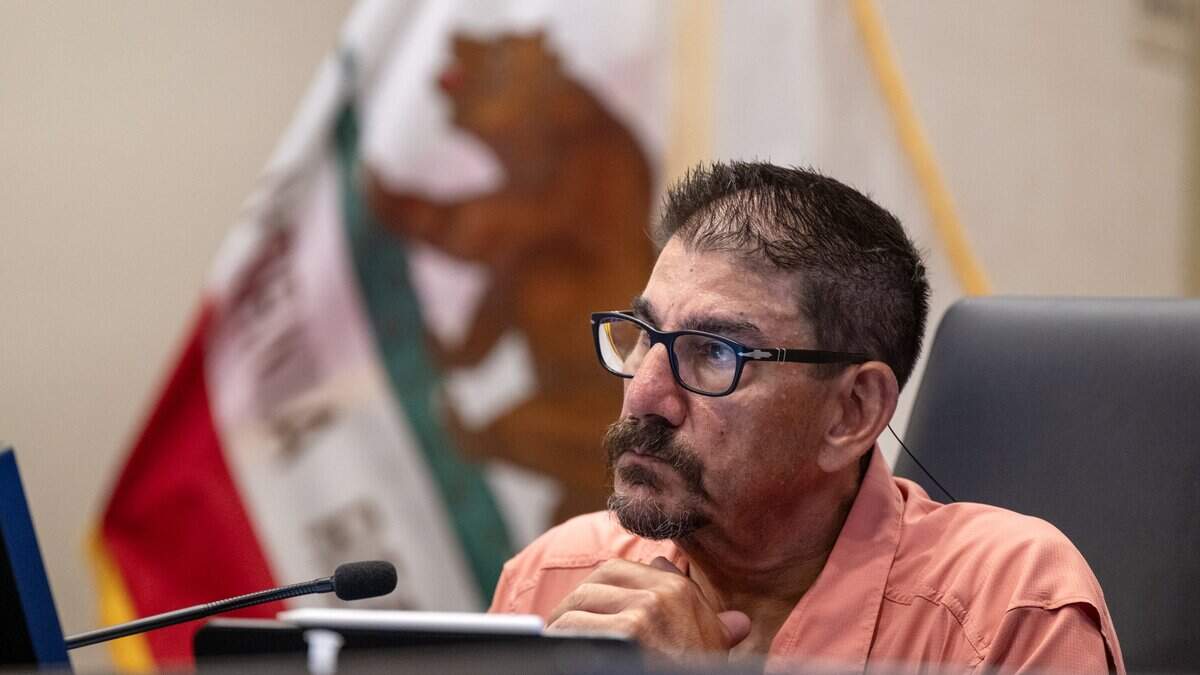
The rubber stamp era for big developments in Sacramento County is over. There is a new sheriff in town.
The city of Sacramento, in a stunning repudiation of Sacramento County, is legally challenging the Board of Supervisors’ unanimous decision in June to approve a new 25,000-resident community in Natomas known as Upper Westside.
This is not some boilerplate environmental lawsuit. It is a milestone in land use politics that should reshape planning in Natomas.
The 2,000-acre Upper Westside project is surrounded on three sides by the city. Proper urban planning and common sense would place the city, and not the county, in charge of managing the future of this land. In fact, the county promised to do just that as part of a broader city-county agreement more than 20 years ago.
But the county, led by Supervisor Phil Serna, went back on its word. Serna, who worked for the building community prior to joining the board 16 years ago, championed the approval of more than 9,000 homes and 3.1 million square feet of commercial space right next to the city, despite its repeated opposition.
Serna and his fellow supervisors all but dared the city to do something about it. But the Sacramento City Council, in a decision it evidently made earlier this month in closed session, did not blink.
“The County failed to proceed according to the law,” writes the city in its lawsuit filed Thursday and posted online Friday by the Sacramento County Superior Court.
The city has set in motion a remarkable showdown with the county in Sacramento County Superior Court. For Serna and the rest of this board, it is not going to be pretty.
“It is a big deal,” said City Councilmember Lisa Kaplan, who represents North Natomas and who has opposed this project. “There are so many issues.”
Sacramento needs housing, but not Upper Westside.
This project is too close to the Sacramento River, adjacent to Garden Highway. The city agreed to preserve a mile-wide wildlife corridor along this river. So did Sutter County. It’s all codified in a legally binding habitat conservation plan signed in 2003 by the two jurisdictions and state and federal wildlife agencies.
The city’s lawsuit explains to the court how it repeatedly warned the county that Upper Westside was in conflict with the 2003 habitat conservation plan. The county chose to ignore the city’s concerns. Now they can explain things to a judge.
Hopefully the city’s lawsuit will get the attention of the California Department of Fish and Wildlife and the U.S. Fish and Wildlife Service. Upper Westside cannot proceed without permits from these agencies. Those applications, whenever they arrive, should be dead on arrival.
The environmental problems that Upper Westside would cause are only the beginning. There is no agreed-upon plan for how to pay the hundreds of millions of dollars to build the necessary schools in the Natomas Unified School District to service the people who would live Upper Westside.
There is no plan to fully fund interchange improvements along Interstates 5 and 80.
There is no approved water supply, merely a plan to convert a water right for agriculture into one for homes.
Yet Serna rammed it through despite the opposition of the two candidates running to replace him, Councilmember Eric Guerra and public health advocate Flojaune Cofer.
There are two other huge development projects in Natomas east of the international airport under planning review by the county, known as Provenance and Grandpark. They are just as problematic for many of the same reasons and pose the same conflicts with the city.
Serna should have listened to the legitimate concerns of elected leaders from the city where his late father, Joe Serna Jr. served as mayor in the 1990s. The same goes for Supervisor Patrick Kennedy, who is supposed to be representing Sacramento’s interests as well.
Neither did. But neither is going to have the final say. A judge will.
The city has the law and a legacy of careful planning in Natomas on its side.