
Early lung cancer screening saves lives. Why don’t more doctors tell their patients?
Sherril smoked a pack a day on and off for 57 years. She’d never had any breathing problems, but two years ago her doctor recommended she get screened for lung cancer. The 10-minute scan found a lung tumor slightly larger than her thumbnail. Her screening allowed us to quickly remove the tumor early – before it could spread. Today she is 75 and going strong. Screening saved her life.
Lung cancer screening with low-dose CT scanning for people at high risk was proven to be effective in 2011. Yet, of the more than 7.6 million Americans eligible for screening, only 2 percent have been screened. Most Americans don’t know that lung cancer screening is covered by most health care plans, Medicare and Medi-Cal with minimal or zero costs.
The problem is that most doctors aren’t recommending it. And like mammography for breast cancer, the eligibility criteria for lung cancer screening is well established. Any adult 55 to 80 who has a 30 pack-year history of smoking (equal to the number of packs smoked per day multiplied by the number of years smoked) and either smokes currently or has quit within the past 15 years is eligible.
Although lung cancer can strike anyone with lungs, more than 80 percent of lung cancer deaths are caused by tobacco. And lung cancer remains the deadliest of all malignancies – killing more men and women in the U.S. than breast, prostate and colon cancer combined. Lung cancer is so deadly because more than 70 percent of cases are diagnosed when they are advanced and the chance of cure is low.
If you’re African American and at high risk, you’re even more likely to die from lung cancer than if you’re white. This is due to lower socioeconomic status and less access to medical care, according to the American Cancer Society. But research tells us that if you get screened and your disease is detected early, you have an equal chance at survival as white patients.
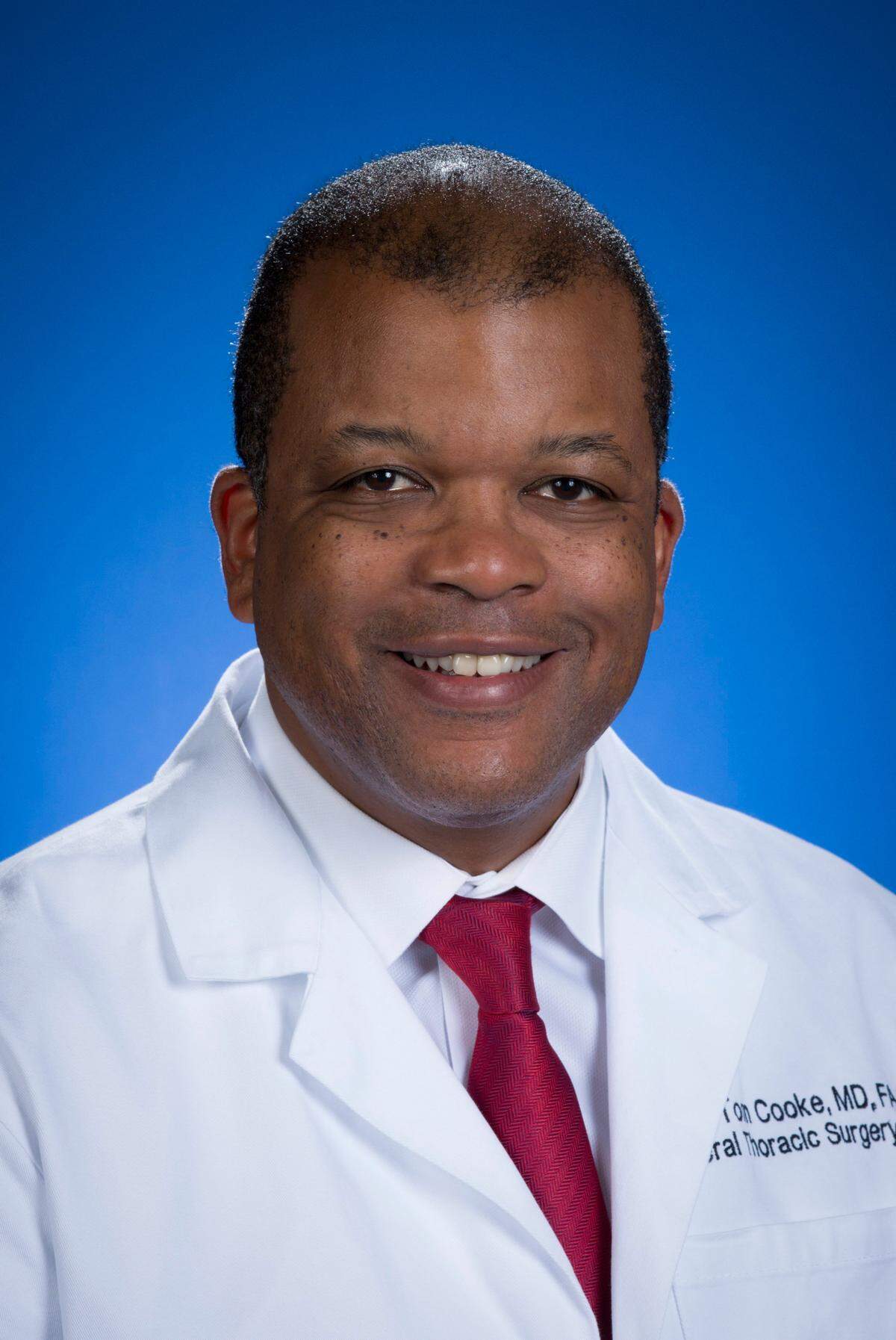
Lung cancer screening is a game changer. Most lung cancers detected by the scan are stages I or II with the highest rate of cure, especially today with advanced treatments like minimally invasive surgery and targeted and immunotherapies.
Screening is easy, too. Low-dose CT is a special X-ray. A patient’s doctor will order the scan after discussing the risks and benefits of the exam. It takes no more than 10 minutes. There are no needles involved. A radiologist reviews the scan and sends the results back to the doctor who ordered it.
The patient typically learns the results within a few days. Lung cancer screening is widely accessible in the Sacramento region, where there are four designated screening centers, including UC Davis Health.
After screening found Sherril’s tumor, we removed it using tiny incisions, a high definition camera and robotic instruments, all the while preserving the majority of her lung.
Doctors can do a lot better by their patients at high risk for lung cancer simply by recommending screening, just as we routinely recommend breast, prostate and colon screening. With November being Lung Cancer Awareness Month, there is no better time to begin. Together we can change the dismal outcomes of this devastating disease.