
28 states have loosened restrictions on Nurse Practitioners. Now it’s California’s turn.
California views itself as a pioneer of progressive health care policies and for good reason, but the state is noticeably behind in one key area: the empowerment of nurse practitioners, or NPs.
NPs are specially-trained health professionals who are certified to independently manage people’s health and prevent disease.
Twenty-eight states have passed laws permitting NPs, after they receive the necessary training and clinical experience, to prescribe most medications and see patients without physician oversight. These states have seen overwhelmingly positive results.
From more regular check-ups and improved access to care in rural and underserved areas to fewer hospitalizations, fewer readmissions, and fewer emergency department visits, NPs provide a valuable service. In many places, only therapists receive higher patient satisfaction scores than nurse practitioners.
California’s 20,000-plus NPs are having a similar impact, with one big exception. At a time when seven million Californians live in federally designated “Health Professional Shortage Areas” — and the state is expected to face a shortage of thousands of primary care physicians over the next decade as Baby Boomers retire — NPs in our state can still only work under the close supervision of a doctor.
Facing growing workforce shortages and with an obvious solution at hand, health experts have begun to push for loosening California’s rigid rules on NP oversight. The California Future Health Workforce Commission found earlier this year that allowing the state’s NPs to operate more independently would result in over $2 billion in health savings over the next 10 years by expanding access to preventive care.
While California’s legislative debates about the appropriate “scope of practice” for NPs have been slowed by politics, there are advantages to being late to the game. California can look to other states to see how this innovation in health care is working—and why it’s time to take the next step.
To do that, I traveled this summer to Colorado, one of the first states to create a nurse practitioner program—and one of many that has recognized strict oversight takes both doctors and NPs away from their patients.
Colorado took steps in 2015 to shorten the mentorship period required of NPs (from 18 months to 6 months), and communities across the state have observed a noticeable boost in providers in underserved areas.
I saw this firsthand in several rural towns around Colorado, and found widespread agreement among practitioners, patients and doctors that NPs were hitting four key metrics: reducing care cost, improving population health, satisfying providers, and, most importantly, satisfying patients.
“The nurse practitioners in our system are very helpful with the demand and are more likely to serve low-income patients,” says Tillman Farley, MD, the chief medical officer of Colorado’s Salud Family Health Centers, a network of clinics employing several dozen NPs. “NPs are also more likely to spend extra time with people and tend to work collaboratively with patients rather than hierarchically,” Dr. Farley added.
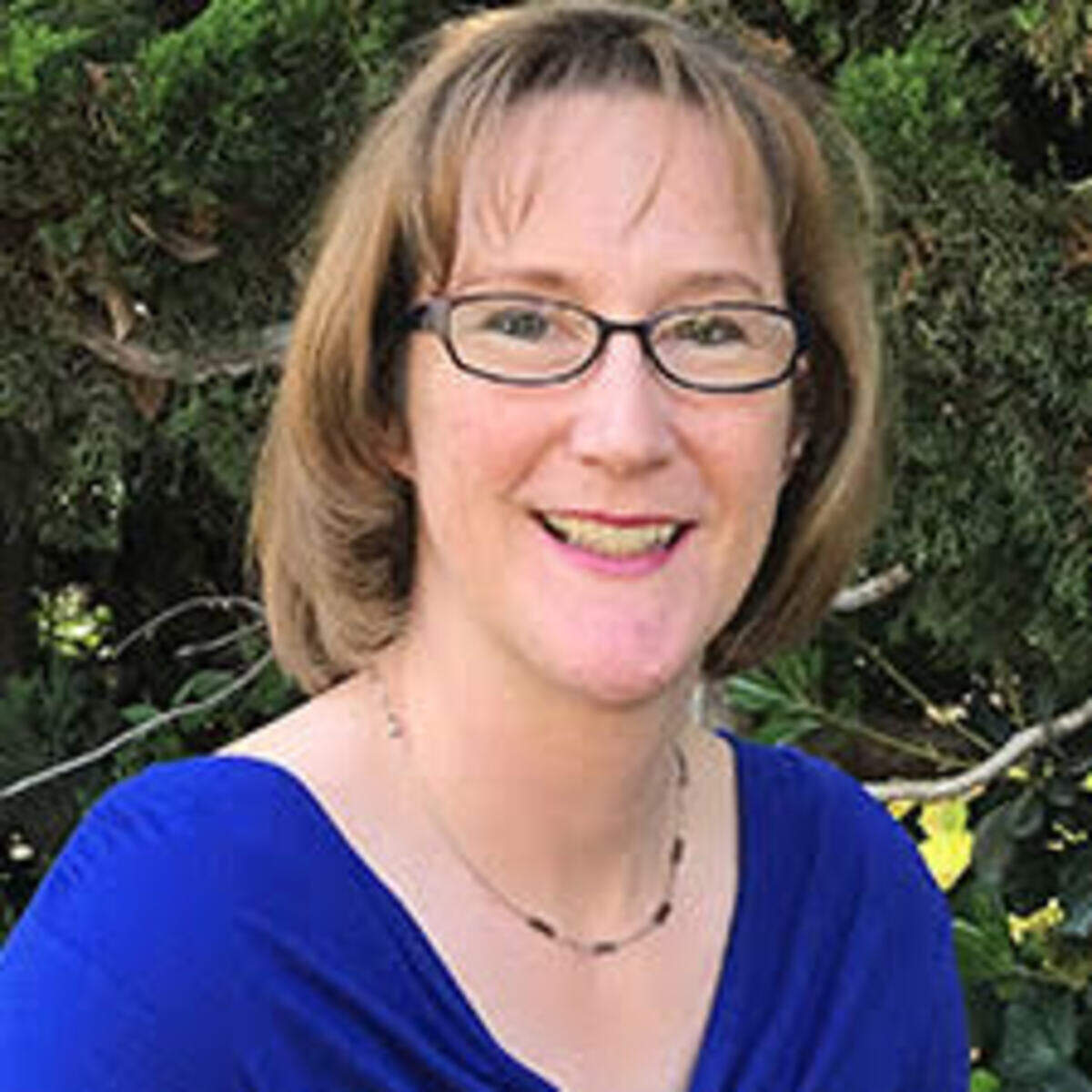
NPs are also filling critical gaps in care. I found a case in point in San Luis, a town south of Denver that’s 50 miles from the nearest hospital. For 30 years, residents received care from a local doctor, Joseph Quintana, MD.
But when Quintana decided to retire a few years ago, he couldn’t find another physician to take the job — until a nurse practitioner in training, Christy Smith, who had grown up in the area, contacted him in 2017.
Over the last few years, Smith has moved from being mentored by Quintana to independently caring for all of his patients on a range of issues she’s fully qualified to address, from respiratory illnesses and urinary tract infections to back pain, hypertension, diabetes and other routine care. One couple in their 70s told me that they would have been forced to move if Smith hadn’t arrived.
“I had confidence from the beginning she could do my job well,” says Quintana, noting well-trained NPs “can handle 90% of primary care cases without any input from a physician.”
There’s a lesson here for California, if we’re willing to see it.
With waiting room stays getting longer and doctors getting grayer, we already have many of the professionals we need to bridge our workforce gaps. They may not have the same letters after their name, but dozens of states have demonstrated this approach works.
NPs can, and should, be a much bigger part of providing the health care we all need.