
Yolo County DA wants to address racial bias. Why the Sacramento region should, too
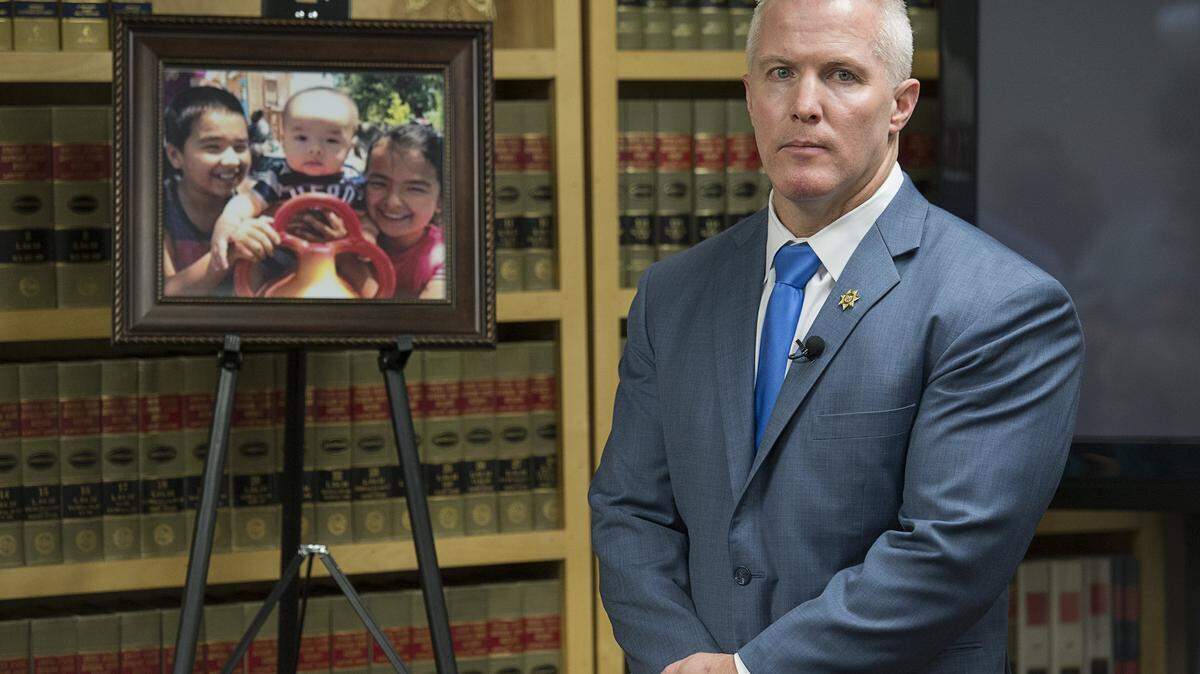
Racial bias pervades the criminal justice system, but there’s some promising news coming out of Yolo County. District Attorney Jeff Reisig is pioneering reforms to increase transparency and shed light on potential disparities. Every DA in California — including Sacramento’s — should take notes.
Last week, data organization Measures for Justice launched a new website called “Commons,” home to an interactive platform to track Yolo County’s criminal processes and outcomes. All it required from Yolo County was $20,000 and a little faith in a third-party company — modest requests to achieve meaningful transparency measures that help reform a critical aspect of racial inequality.
“The site does not provide information on individual cases, but anyone with access to the internet can access the site and study, for instance, how often cases for certain drug offenses are filed against defendants of color versus white defendants,” The Bee’s Sam Stanton reported. “The site also offers individuals the ability to flag problem areas and with one click send their concerns to lawmakers, the media or simply post it to social media.”
The effects of systemic racism in criminal justice are well-documented. Black people are six times more likely to be incarcerated than white people after an arrest, according to a 2018 Sentencing Project report to the United Nations. Latinos are three times more likely.
In a recent study of the Manhattan District Attorney’s Office in New York, the Vera Institute found that the exercise of discretion at every level — from case screening and bail recommendations to charging and plea deals — Black defendants had more severe outcomes.
During the Black Lives Matter protests last summer, public defenders in Yolo County spoke out about racial disparities in criminal sentencing and joined protesters in a demonstration outside the courthouse. Reisig denied the claims. But It’s clear that he wants to be more proactive and address these realities head-on.
“The data belongs to the people,” he told The Bee last week. “It’s the only way we can have truly informed conversations about criminal justice reform.”
The Yolo County DA is also “working with Stanford University researchers to redact investigative reports so that a suspect’s race is not readily apparent and cannot influence a decision on whether to file a case,” Stanton wrote. The tool would scrub personal details so prosecutors can make unbiased decisions.
Launching these types of initiatives is a no-brainer. Why are other counties hesitant to embrace transparency and confront racial bias?
Typically, increasing criminal justice transparency has required passing new laws or filing lawsuits that force agencies to release information. Even then, officials resist.
The Bee sued Sacramento County Sheriff Scott Jones multiple times to force him to comply with Senate Bill 1421, which requires police to release records after use-of-force incidents. Judges sided with The Bee in each case as Jones and the county wasted taxpayer dollars in their attempts to evade the law.
Reisig’s new initiatives should be lauded, and other counties should follow suit. The opportunity to achieve meaningful change and deliver unbiased justice should be embraced by every district attorney.
Sacramento County District Attorney Anne Marie Schubert, who is considering a run for California attorney general, claims to champion innovations that provide greater public safety. Is she ready to embrace the same transparency measures as her peer next door in Yolo County?