
Everyone deserves a home. Sacramento could set U.S. example on homelessness by making it law
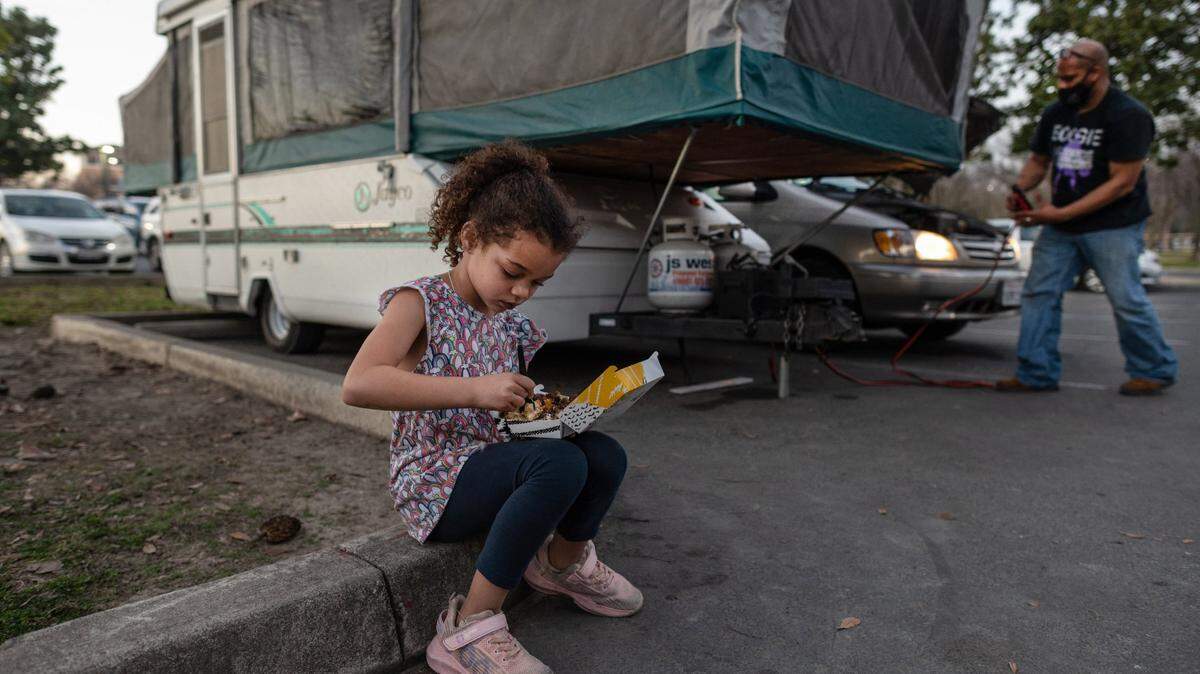
Sacramento Mayor Darrell Steinberg is ready to take a daring step to combat the homelessness crisis engulfing the region. He wants California’s capital city to be one of the first in the U.S. to establish a legal right to housing and shelter.
This could be a breakthrough after years of insufficient homeless policies. The test will be if Steinberg’s newest proposal can achieve what he has been promising for years: moving enough of the estimated 11,000 homeless people in Sacramento out of squalor and into adequate shelter for it to make a difference in their lives and ours.
Sacramento is ready for such an ambitious approach.
By enshrining housing as a legal and human right, Steinberg’s proposal would fundamentally change how Sacramento develops affordable housing and its methods for attracting projects to help those with the greatest needs. It would require the city to build enough housing and shelter for every person without a home.
“We can’t help people who are living with serious mental illness and substance abuse until they come indoors,” Steinberg said during his State of the City speech on Wednesday. “We can’t help people who are suffering when they are living under the freeway … A legal right to shelter and housing will push our city even harder to get more people off the street faster.”
Steinberg has been pitching the idea for years. A federal judge cited an L.A. Times op-ed authored by Steinberg two years ago in his decision to order Los Angeles officials to house everyone on skid row by October. During Wednesday’s address, Steinberg said he “would rather have Sacramento bravely lead than follow.”
“Let’s do it ourselves without a court order.”
Massachusetts, New York and Washington, D.C. have adopted similar “right to shelter” laws to combat homelessness. But Sacramento would be pioneering a policy that mandates housing, shelter and “a parallel obligation for unsheltered people to accept shelter and housing when it is offered,” according to Steinberg.
What does that mean? A spokesperson for the mayor told The Bee that if a homeless person declines to go into shelter or housing once space is available, they could face civil enforcement. That’s an improvement from criminal action, although some advocates were skeptical of a new legal route to enforcement. Steinberg has more explaining to do on this part of his proposal.
If Sacramento wants to set the national standard, the mayor and city council must ensure that any enforcement rules guarantee humanity and respect. It should be Department of Community Response officers, not police, who handle refusals for shelter.
But if Sacramento creates the capacity to shelter the homeless, then we need to shelter the homeless. Businesses, homeowners and renters are all impacted by this humanitarian crisis. Our policies must be just and humane, but there are social and environmental effects we cannot ignore.
Finland, Scotland and South Africa have right to housing laws. An adequate right to housing is also part of the The United Nations’ International Bill of Rights. President Franklin D. Roosevelt introduced the concept to the U.S. in 1944, and considered it a national security issue, but it was never established as a federal mandate. If successful, Sacramento could advance the rights of homeless people across the country.
For years, Sacramento officials have failed to meaningfully reduce the unhoused population or lower the number of deaths. With homelessness at historic levels, city leaders are finally taking aggressive actions to alleviate the suffering on our streets and enact policies that bypass NIMBY opposition.
Steinberg’s proposal would add to Sacramento’s developing safe grounds initiative, the cornerstone of a homeless master plan the city council will vote on next month. Under the plan, the city would open dozens of sanctioned sites where unhoused residents are allowed to safely camp and access support services or treatment.
Adopting a right to housing law will give the city a stronger mandate to build low-income housing, increase and diversify shelter options and connect more of our unhoused population with services that could get them back on track. Steinberg’s proposal deserves the support of the entire city council, both in crafting the details and voting for its adoption.
Establishing a right to housing in Sacramento is a moral and righteous act. Everyone in our city deserves a safe and adequate home.
This story was originally published July 1, 2021 at 5:00 AM.