
The pandemic is changing, but COVID isn’t going away soon. Neither should our caution
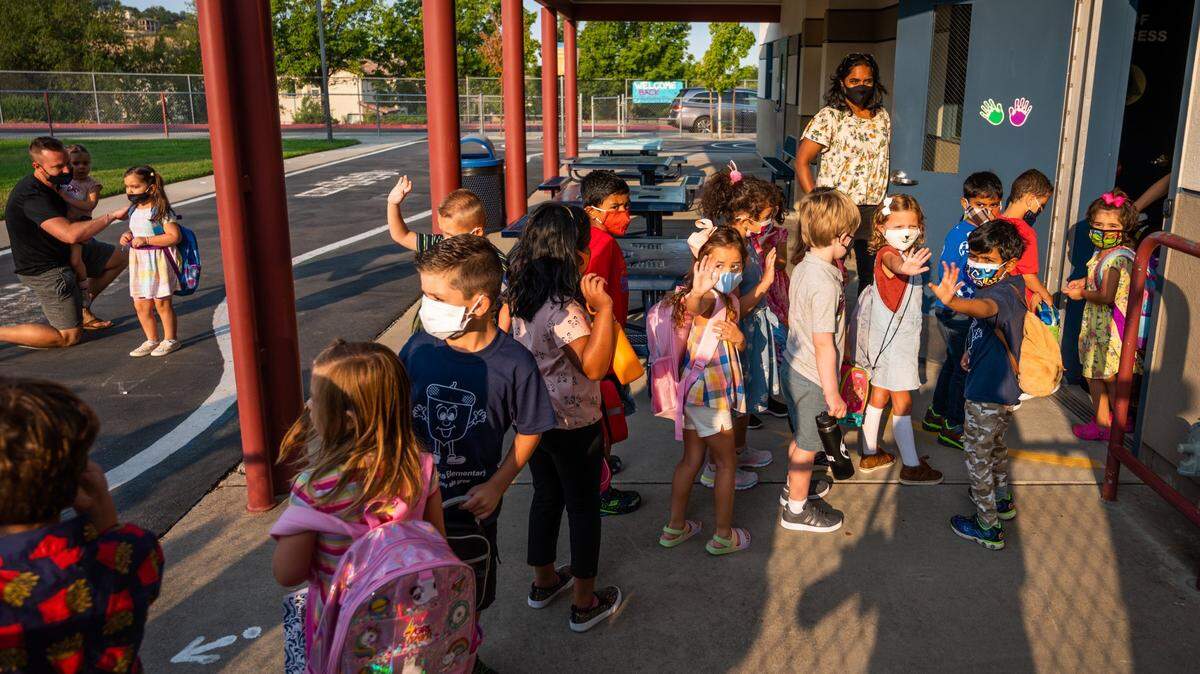
Judging by crowded restaurants, airports and NBA arenas, something like post-pandemic life has begun even in parts of California and the country that long avoided activities likely to spread the coronavirus. And yet the accumulation of pandemic deaths is far from ending in much of the state, nation and world.
It follows that masks in high-risk locations, booster shots, vaccine mandates, enhanced sick leave and other COVID precautions and policies once regarded as ephemeral could — and should — be with us for the foreseeable future. Far from eradication, a rare fate among the viruses that have afflicted humans, the coronavirus appears to be making a gradual transition from pandemic to endemic. As its repercussions grow more routine, so should our efforts to limit them.
The great influenza pandemic of a century ago, the last to out-kill this one on a per capita basis, could serve as a striking analogy. As a commentary in the New England Journal of Medicine noted during the 2009 swine flu pandemic, the 1918 virus and its descendants “continued to contribute their genes to new viruses, causing new pandemics. ... A useful way to think about influenza A events of the past 91 years is to recognize that we are living in a pandemic era that began around 1918.” Among the authors was a prominent government scientist who would become even more familiar during a pandemic that was still a decade away, Dr. Anthony Fauci.
Despite the wide availability of vaccines and lower-tech protections against a group of viruses whose means of spread are well understood, the flu still kills tens of thousands of Americans every year. That includes thousands annually in California, where influenza ranks just behind diabetes and ahead of hypertension among the leading causes of death.
The dramatic exception was the most recent flu season, which saw nationwide fatalities drop below 1,000. The number of American children killed by the flu dropped from nearly 200 the previous season to just one in 2020-21. The Centers for Disease Control and Prevention attributed this “unusually low” flu activity to COVID mitigation measures such as masks, hand-washing, distancing and reduced travel and other activities, all of which also combat the spread of influenza.
The agency further noted the record number of flu vaccine doses distributed during the last flu season, about 194 million. Boosted by unusual government intervention in light of the pandemic, including a federal purchase of more than 11 million flu vaccine doses, the vaccination rate may have been as high as 55%.
In more typical flu seasons, as the CDC noted, “Influenza vaccine production and distribution in the U.S. are primarily private-sector endeavors,” and it shows. One recent analysis found flu vaccination rates hovering below 40% in California and nationwide, with even lower rates among young adults, low-income and uninsured households, and Black, Latino and Native American communities. Even among the older adults most vulnerable to serious complications from the virus, vaccination rates typically fell short of 60%.
Especially in its early stages, government inaction in the face of the coronavirus pandemic was often disingenuously minimized by comparison to the continuing toll of the flu, as if the latter were acceptable on its face. But what recent experience shows is that governments and societies can and should do more to prevent the consequences of both contagions.
The destructive denialism that accompanied the pandemic stage of COVID-19 in many respects echoed the epidemiological ignorance, both genuine and willful, of a century ago. Fortunately, we still have a chance and a hope of collectively embracing the precautions that can prevent needless illness and death from both diseases.
BEHIND THE STORY
MOREWhat are editorials, and who writes them?
Editorials represent the collective opinion of The Sacramento Bee Editorial Board.
They do not reflect the individual opinions of board members or the views of Bee reporters in the news section. Bee reporters do not participate in editorial board deliberations or weigh in on board decisions. The same rules apply to our sister publications, The Modesto Bee, Fresno Bee, Merced Sun-Star and San Luis Obispo Tribune.
In Sacramento, our board includes Bee Executive Editor Colleen McCain Nelson, McClatchy California Opinion Editor Marcos Breton, opinion writers Robin Epley, Tom Philp, LeBron Antonio Hill and op-ed editor Hannah Holzer.
In Fresno and Merced, the board includes Central Valley Executive Editor Don Blount, Senior Editor Christopher Kirkpatrick, Opinion Editor Juan Esparza Loera, and opinion writer Tad Weber.
In Modesto, the board includes Senior Editor Carlos Virgen and in San Luis Obispo, it includes Opinion Editor Stephanie Finucane.
We base our opinions on reporting by our colleagues in the news section, and our own reporting and interviews. Our members attend public meetings, call people and follow-up on story ideas from readers just as news reporters do. Unlike objective reporters, we share our judgments and state clearly what we think should happen based on our knowledge.
Read more by clicking the arrow in the upper right.
Tell us what you think
You may or may not agree with our perspective. We believe disagreement is healthy and necessary for a functioning democracy. If you would like to share your own views on events important to the Sacramento region, you may write a letter to the editor (150 words or less) using this form, or email an op-ed (650-750 words) to opinion@sacbee.com. Due to a high volume of submissions, we are not able to publish everything we receive.
Support The Sacramento Bee
These conversations are important for our community. Keep the conversation going by supporting The Sacramento Bee. Subscribe here.