
Here’s Gavin Newsom’s chance to do more than just wish the COVID pandemic were ending
Gov. Gavin Newsom keeps threatening to unveil his strategy for a transition from pandemic to endemic COVID-19, by which Californians are apparently meant to stop regarding the coronavirus as a life-endangering emergency and start treating it as a moderately unfortunate part of life. But Newsom could do much more to make COVID endemic than merely declaring it so.
Bay Area Assemblywoman Buffy Wicks provided the latest opportunity by introducing sensible legislation to require COVID vaccination in the state’s workplaces. Like Sacramento Sen. Richard Pan’s recently introduced bill to require vaccination of schoolchildren, it deserves the governor’s support, especially at a time when masks and other precautions against the virus are being abandoned even in supposedly cautious states like California.
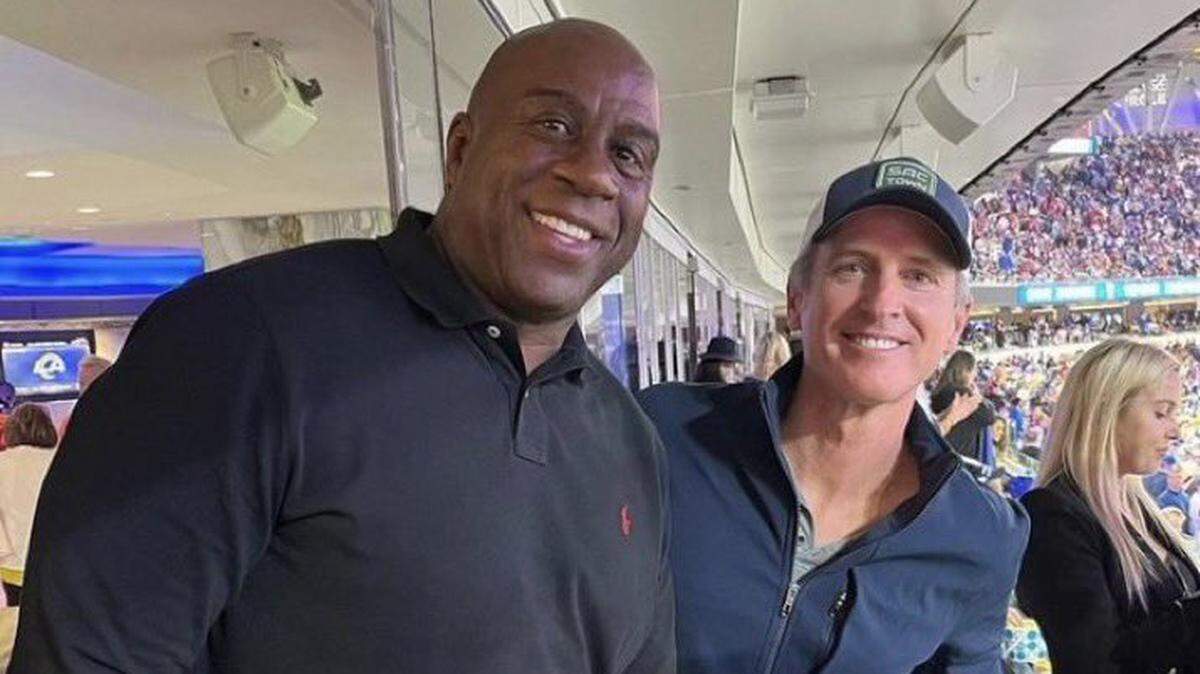
Newsom has repeatedly expressed his eagerness that the state shed its “pandemic mindset,” as he put it in a television interview last week, almost as if the contagion were just a state of mind. California’s indoor mask mandate expired Wednesday, a couple of weeks after the governor was seen ignoring it at an NFL playoff game, though officials retained the requirement for schools under pressure from teachers’ unions. Most local jurisdictions, including every county in the capital region, are following the state’s retreat — even though Sacramento County’s case rate, for example, remains several times higher than the threshold officials previously set for such a relaxation.
While the state has passed the peak of a surge driven by the last attempt to rush back to normalcy amid the emergence of the omicron variant, over 200 Californians are dying of COVID every day. And while it certainly makes sense to adjust the rules and develop an endemic strategy, the governor and others seem to be repeating their mistake of leaping ahead of the data in their haste to respond to political pressure. Meanwhile, they’re not taking all the steps they could to maximize vaccination, without which COVID is nearly 100 times deadlier.
The legislation Wicks introduced last week, Assembly Bill 1993, could begin to correct this failure. It would require vaccination as a condition of employment subject to medical and religious exemptions, stepping into the breach left by the U.S. Supreme Court’s arbitrary rejection of President Joe Biden’s attempt to enact a similar mandate for the nation’s largest employers. As Wicks noted, “The pathway to endemic (COVID) is through vaccines — and to get there, Californians need consistency and certainty.”
The requirement, which would parallel a mandate in place in New York City, makes sense particularly for employees required to work together indoors. The courts have affirmed the states’ power to impose such rules, as Newsom has already done with respect to state, school, and health care workers — though he also insisted on allowing testing in lieu of vaccination, with deadly consequences for state prisoners exposed to unvaccinated guards.
The governor was the first in the nation to order vaccination against COVID for the state’s schoolchildren, but his mandate awaits full rather than emergency Food and Drug Administration approval and broadly allows parents to opt out based on “personal beliefs.” Pan — who, like Wicks, is a member of the Legislature’s recently formed vaccine working group — introduced a bill last month to close that gaping loophole. His legislation, Senate Bill 871, would add COVID to the long list of diseases against which children here and across the country must be inoculated to attend school. Lawmakers should also consider requiring vaccination for high-risk locations such as bars, restaurants, and gyms as well as large gatherings.
As some of us have learned over and over, our fondest hopes don’t determine the course of this pandemic. California’s policymakers must stop settling for wanting the pandemic to end and summon the courage to help make it so.
BEHIND THE STORY
MOREWhat are editorials, and who writes them?
Editorials represent the collective opinion of The Sacramento Bee Editorial Board.
They do not reflect the individual opinions of board members or the views of Bee reporters in the news section. Bee reporters do not participate in editorial board deliberations or weigh in on board decisions. The same rules apply to our sister publications, The Modesto Bee, Fresno Bee, Merced Sun-Star and San Luis Obispo Tribune.
In Sacramento, our board includes Bee Executive Editor Colleen McCain Nelson, McClatchy California Opinion Editor Marcos Breton, opinion writers Robin Epley, Tom Philp, LeBron Antonio Hill and op-ed editor Hannah Holzer.
In Fresno and Merced, the board includes Central Valley Executive Editor Don Blount, Senior Editor Christopher Kirkpatrick, Opinion Editor Juan Esparza Loera, and opinion writer Tad Weber.
In Modesto, the board includes Senior Editor Carlos Virgen and in San Luis Obispo, it includes Opinion Editor Stephanie Finucane.
We base our opinions on reporting by our colleagues in the news section, and our own reporting and interviews. Our members attend public meetings, call people and follow-up on story ideas from readers just as news reporters do. Unlike objective reporters, we share our judgments and state clearly what we think should happen based on our knowledge.
Read more by clicking the arrow in the upper right.
Tell us what you think
You may or may not agree with our perspective. We believe disagreement is healthy and necessary for a functioning democracy. If you would like to share your own views on events important to the Sacramento region, you may write a letter to the editor (150 words or less) using this form, or email an op-ed (650-750 words) to opinion@sacbee.com. Due to a high volume of submissions, we are not able to publish everything we receive.
Support The Sacramento Bee
These conversations are important for our community. Keep the conversation going by supporting The Sacramento Bee. Subscribe here.