
Sacramento’s neglected stormwater system is dangerous. Property owners must back new fees
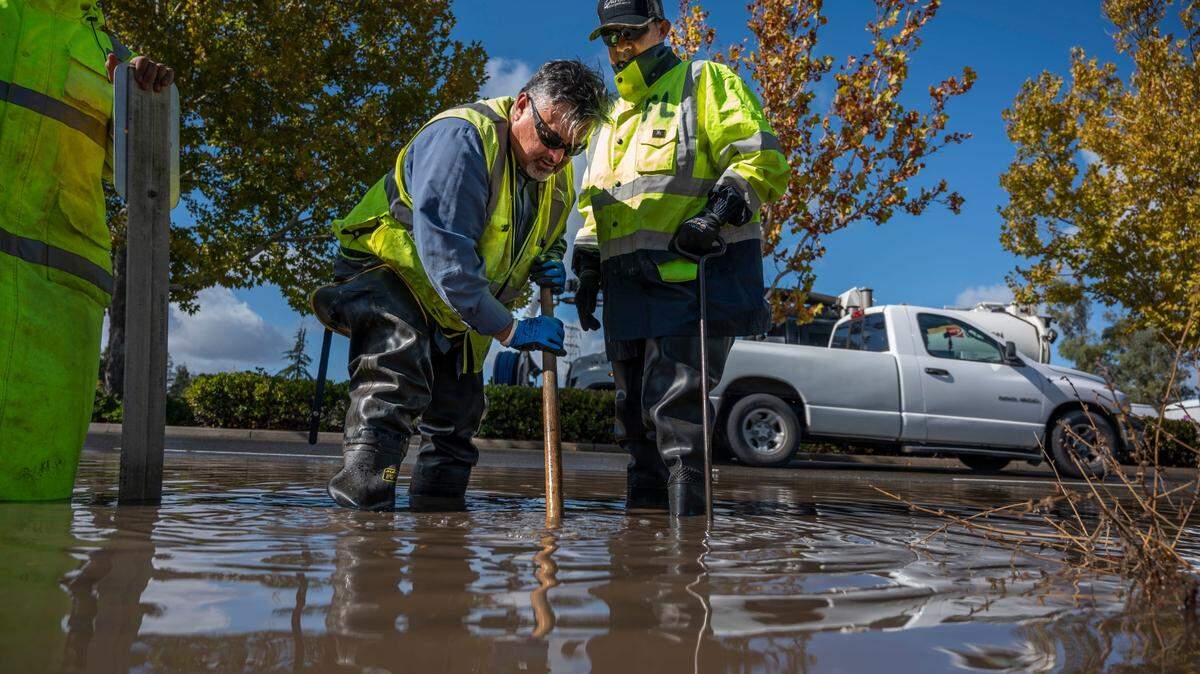
Sacramento faces a risk of flooding that its infrastructure can’t withstand. The city’s century-old storm drainage system is rapidly deteriorating, and much of the complex network is so degraded that needed repairs and improvements would cost an estimated $236 million, Utilities Director Bill Busath said in an interview with The Bee’s editorial board.
The City Council failed to deal with the backlog for years, leaving the infrastructure increasingly susceptible to extreme weather events. Small floods across the city during October’s record-breaking bomb cyclone offered a preview of what could happen if Sacramento does not act to repair its aging stormwater system.
The city is asking an estimated 156,000 Sacramento property owners to support a modest monthly increase in stormwater fees for the first time in nearly three decades. For most owners of single-family homes, the increase would be roughly $70 per year. That would generate about $20 million in annual revenue for flood prevention, water quality improvements and infrastructure repairs.
For the safety and health of Sacramento, property owners should vote yes on the measure.
Sacramento faces the second-highest flood risk in the country because of its distinct geographic features. The city sits at a low elevation on a flood plain, surrounded by levees that prevent overflows from the American and Sacramento rivers, which supply more than 70% of our water. A local system of storm drains, levees, pumps and pipes collects stormwater and filters out pollution, pesticides and dangerous bacteria before they end up in our waterways. Unlike higher-elevation cities where gravity does all the work, Sacramento relies on 105 pumps to keep it dry.
In parts of Sacramento, including downtown, the city uses a “combined system” in which raw sewage and storm runoff share the same pipes. If any of the city’s dilapidated pipes break, waste-filled floodwater could threaten public health and damage property.
Due to inflated costs and limited revenue, the current stormwater fees — last adjusted in 1996 — only cover the cost to operate and maintain the system in place, Busath said. A 2020 audit suggested Sacramento should be investing $34 million a year to improve its stormwater infrastructure, far more than the $20 million ask in front of property owners.
Still, the fact that Sacramento leaders have allowed the city’s $8.1 billion stormwater system to reach this point represents a failure to balance fundamental city services with the rest of their agenda. Councilman Jeff Harris, a member of the city’s water committee, said that given the wide array of needs Sacramento faces and the politics of raising fees, stormwater funding remained a constant afterthought.
“It seems like there’s always been something a little more important than storm drainage for all the years I’ve been on the council,” the two-term councilman told the editorial board.
While the measure does not have an end date, it’s subject to citizen oversight by the Utilities Rate Advisory Commission, which receives quarterly updates on spending, as well as public audits. If voters back the increase, the City Council should add stormwater fees to the Sacramento Utilities Rate Assistance program to alleviate impacts on low-income households.
The prospect of raising fees on property owners is unpleasant, especially during a pandemic and a housing crisis in which every added cost — no matter how small — makes affordability more elusive. But climate change does not adhere to the economics and politics of a pandemic. Last year’s 100-year storm was proof that Sacramento does not have the luxury of putting this off any longer.
BEHIND THE STORY
MOREWhat are editorials, and who writes them?
Editorials represent the collective opinion of The Sacramento Bee Editorial Board.
They do not reflect the individual opinions of board members or the views of Bee reporters in the news section. Bee reporters do not participate in editorial board deliberations or weigh in on board decisions. The same rules apply to our sister publications, The Modesto Bee, Fresno Bee, Merced Sun-Star and San Luis Obispo Tribune.
In Sacramento, our board includes Bee Executive Editor Colleen McCain Nelson, McClatchy California Opinion Editor Marcos Breton, opinion writers Robin Epley, Tom Philp, LeBron Antonio Hill and op-ed editor Hannah Holzer.
In Fresno and Merced, the board includes Central Valley Executive Editor Don Blount, Senior Editor Christopher Kirkpatrick, Opinion Editor Juan Esparza Loera, and opinion writer Tad Weber.
In Modesto, the board includes Senior Editor Carlos Virgen and in San Luis Obispo, it includes Opinion Editor Stephanie Finucane.
We base our opinions on reporting by our colleagues in the news section, and our own reporting and interviews. Our members attend public meetings, call people and follow-up on story ideas from readers just as news reporters do. Unlike objective reporters, we share our judgments and state clearly what we think should happen based on our knowledge.
Read more by clicking the arrow in the upper right.
Tell us what you think
You may or may not agree with our perspective. We believe disagreement is healthy and necessary for a functioning democracy. If you would like to share your own views on events important to the Sacramento region, you may write a letter to the editor (150 words or less) using this form, or email an op-ed (650-750 words) to opinion@sacbee.com. Due to a high volume of submissions, we are not able to publish everything we receive.
Support The Sacramento Bee
These conversations are important for our community. Keep the conversation going by supporting The Sacramento Bee. Subscribe here.
This story was originally published February 25, 2022 at 5:00 AM.