
Here’s another crucial constitutional right that the U.S. Supreme Court is shredding
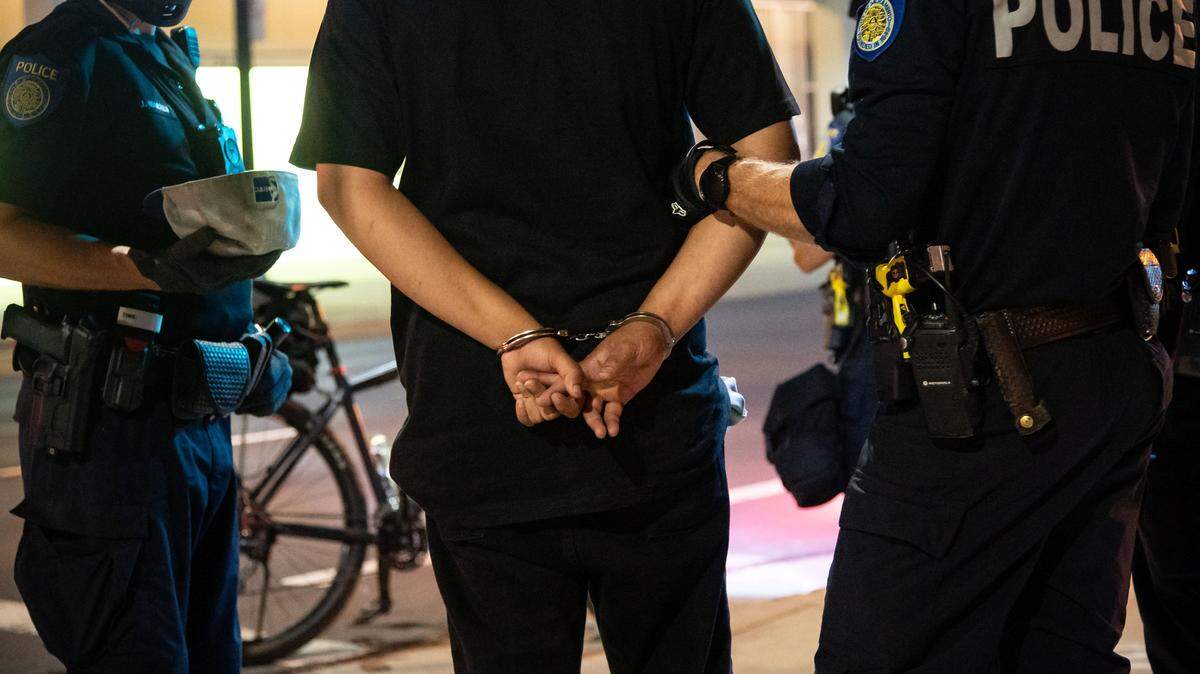
Lost in the furor over the Supreme Court’s decision to overturn the nearly five decades of American bodily autonomy guaranteed by Roe v. Wade was another appalling ruling in Vega v. Tekoh. It undermined the landmark 56-year-old precedent that established what have come to be known as Miranda rights.
In a decision that fell along the same ideological lines as the one that overturned Roe, the court ruled that suspects who are not informed of their constitutional right to remain silent under police questioning cannot sue law enforcement or other government officials for damages.
The decision guts the 1966 ruling in Miranda v. Arizona. If police are not compelled to read Miranda warnings by the threat of lawsuits, then there is no impetus for them to do so.
The court was ruling on the case of Terence Tekoh, who was arrested by Los Angeles Sheriff’s Deputy Carlos Vega in 2014 for the sexual assault of a patient at the hospital where Tekoh worked. Under interrogation, Tekoh confessed to the crime. But Vega had failed to announce his Miranda rights at the time of arrest, opening the door for Tekoh to sue the department for violating his constitutional rights.
Tekoh was ultimately acquitted even though his confession was presented at trial. His lawyers argued that Vega refused to accept Tekoh’s profession of innocence and had “a hand resting on his firearm” during the suspect’s interrogation. They also argued that the deputy threatened to report Tekoh, a legal U.S. resident, to immigration officials, which could have meant deportation to, and persecution in, Cameroon.
Justice Samuel Alito wrote for the majority that while Miranda rights have “roots” in the Constitution, “a violation of Miranda does not necessarily constitute a violation of the Constitution.” The justice wrote that statements obtained without a Miranda warning should be suppressed at trial, but he argued that “Allowing the victim of a Miranda violation to sue a police officer for damages ... would have little additional deterrent value, and permitting such claims would cause many problems.”
But Justice Elena Kagan wrote in dissent that the ruling “strips individuals of the ability to seek a remedy for violations of the right recognized in Miranda. The majority observes that defendants may still seek ‘the suppression at trial of statements obtained’ in violation of Miranda’s procedures. But sometimes, such a statement will not be suppressed.” In such cases, the justice asked, what remedy will defendants have for wrongful convictions and other harms at the hands of police who don’t inform them of their rights?
Given that the court previously found Miranda warnings “necessary to safeguard the personal protections of the Fifth Amendment,” Kagan asked, why shouldn’t the reading of rights be enforceable?
Most people’s experience of Miranda rights comes from watching police procedurals on television, which often get the basic facts of the law right: Those taken into police custody must be advised of their Fifth Amendment protection from self-incrimination, such as during interrogation.
As the dissent argued, it’s not clear what will compel police to inform suspects of their rights during interrogation if they can’t be held accountable for ignoring the requirement. Rights do not enforce themselves.
BEHIND THE STORY
MOREWhat are editorials, and who writes them?
Editorials represent the collective opinion of The Sacramento Bee Editorial Board.
They do not reflect the individual opinions of board members or the views of Bee reporters in the news section. Bee reporters do not participate in editorial board deliberations or weigh in on board decisions. The same rules apply to our sister publications, The Modesto Bee, Fresno Bee, Merced Sun-Star and San Luis Obispo Tribune.
In Sacramento, our board includes Bee Executive Editor Colleen McCain Nelson, McClatchy California Opinion Editor Marcos Breton, opinion writers Robin Epley, Tom Philp, LeBron Antonio Hill and op-ed editor Hannah Holzer.
In Fresno and Merced, the board includes Central Valley Executive Editor Don Blount, Senior Editor Christopher Kirkpatrick, Opinion Editor Juan Esparza Loera, and opinion writer Tad Weber.
In Modesto, the board includes Senior Editor Carlos Virgen and in San Luis Obispo, it includes Opinion Editor Stephanie Finucane.
We base our opinions on reporting by our colleagues in the news section, and our own reporting and interviews. Our members attend public meetings, call people and follow-up on story ideas from readers just as news reporters do. Unlike objective reporters, we share our judgments and state clearly what we think should happen based on our knowledge.
Read more by clicking the arrow in the upper right.
Tell us what you think
You may or may not agree with our perspective. We believe disagreement is healthy and necessary for a functioning democracy. If you would like to share your own views on events important to the Sacramento region, you may write a letter to the editor (150 words or less) using this form, or email an op-ed (650-750 words) to opinion@sacbee.com. Due to a high volume of submissions, we are not able to publish everything we receive.
Support The Sacramento Bee
These conversations are important for our community. Keep the conversation going by supporting The Sacramento Bee. Subscribe here.