
Read The Bee endorsement for the Board of Equalization’s District 1 | Opinion
It’s unlikely that voters spend much time thinking about the California State Board of Equalization, except on Election Day, when ballots contain little-known names of BOE candidates running for five seats on the board.
THE BEE’S VOTER GUIDE: Your guide to the California Board of Equalization’s 1st District race
What you need to know: The California State Board of Equalization is the only publicly elected tax commission in the United States.
Why it matters: Property taxes are the primary sources of revenue for California’s counties, cities, schools, and special districts.
What does it mean: The BOE oversees the assessment practices of all 58 county assessors in California. According to the BOE, there are about 13 million property assessments each year in California. In fiscal year 2023-24, the net statewide assessed value was $8.6 trillion, contributing $51.1 billion to schools and $44.2 billion to counties, cities, and special districts.
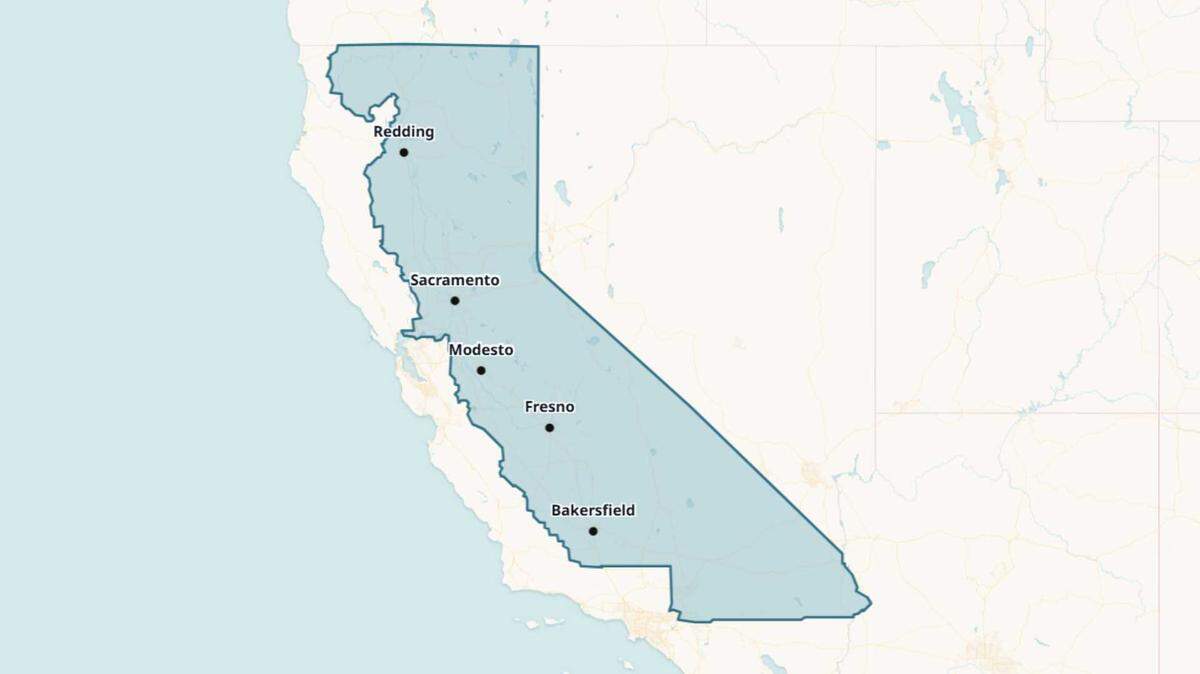
Bottom line: Picking a board member for the BOE is one of the most important down-choices you may know little to nothing about. The BOE is split into five regions and board members serve four-year terms and represent millions of people. The coverage areas of The Sacramento Bee, Modesto Bee, Fresno Bee, and Merced Sun-Star are just part of District 1 of the BOE, which runs from the Oregon border to San Bernardino County.
Who do we endorse for District 1: Sen. Shannon Grove, a Bakersfield Republican who is being termed out of office after a distinguished run in the Legislature, which included six years in the California Assembly.
Who is Shannon Grove: Grove, 61, was born and raised in Kern County. She’s a veteran of the U.S. Army, the first woman veteran elected to the Assembly. Grove’s campaign biography states that she started a staffing company with her sister-in-law called Continental Labor and Staffing Resources.
Why we endorse Grove: Grove brings more than a decade of legislative experience and a background in business and military service. But what separates her from other candidates is her practical grasp of the board’s core functions: ensuring fairness for taxpayers within a system largely administered at the county level. She emphasized that the board’s role is not to set tax policy but to ensure consistency and equity across California’s 58 counties while helping residents navigate a complicated system.
How else did Grove stand out: Her answer on property assessments after disasters was particularly telling. Grove made clear that, when homes lose value due to wildfire damage or coastal erosion, reassessments should reflect that reality quickly. Taxpayers should not be stuck paying taxes on property values that no longer exist. That’s a straightforward principle, but one that requires vigilance and coordination with county assessors —something Grove appears ready to do.
This job demands a seasoned leader: District 1 sprawls across 34 counties, 61% of California’s landmass. It’s geographically diverse, making the job more complex than similar positions in more densely populated regions. Grove acknowledged that challenge and, more importantly, has already begun building relationships with assessors and local officials across the district. She has represented large portions of the district in the Legislature. Grove understands the economic backbone of these communities — agriculture, small businesses and regional industries — and the tax issues that affect them.
Who else is in the race: Grove’s chief opponent will likely be Fresno City Council President Nelson Esparza, who brings intelligence and a strong academic background in economics. He offered thoughtful ideas about transparency and ensuring corporations pay their share of taxes. But at times, he appeared less certain about how the board could address key issues.
In summary: Grove sounded ready and competent to jump in on the oversight that this body demands. She vowed to be accessible and committed to fairness. We will hold Grove to that and we recommend her for the Board of Equalization, District 1.
This story was originally published April 21, 2026 at 11:00 AM.