
Free play is great for kids. Now pediatricians say so
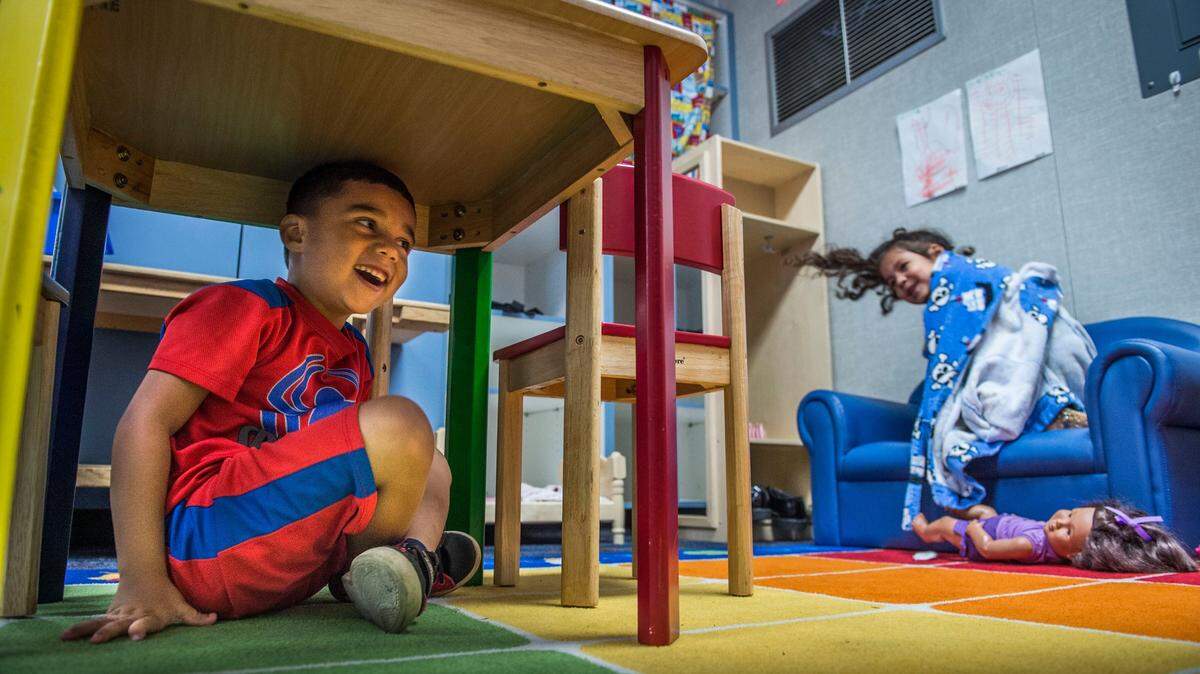
The award for best line ever in a medical report: “Play is not frivolous.”
It’s not new, the idea that free play helps children develop in remarkable ways. Multiple studies have found that play builds social skills and creativity and develops the ability to solve problems and to collaborate.
What is new is that a clinical report published in August by the American Academy of Pediatrics specifically calls on pediatricians and family doctors to start taking play, well, seriously – in fact to prescribe it for their small patients.
So what if annual checkups spent more time discussing whether children are getting enough unstructured playtime and less on whether they are paying enough attention while sitting still for hours in class?
A quarter-century ago, the idea that children needed earlier academic instruction crept into kindergarten,where teachers were placed under so much pressure to produce tots who could do basic reading and math that there was little time left for art, recess,dress-up and blocks.
It seemed logical: If students weren’t learning to read by middle school, or sometimes even high school, giving them a one-year jump could only help, right? The No Child Left Behind Act invoked real penalties for failing to meet a rigid and poorly devised set of improvement goals. Recess disappeared altogether in some schools. Playtime in the classroom? Forget about it.
Then the universal preschool movement pushed the idea that not only should more students have access to preschool – which they absolutely should – but also that preschool should become more standardized and prepare children academically for more academic kindergartens.
Add piano and dance lessons, tai chi, soccer and, of course, TV and electronics, and the schedule is pretty full. Not much time for children to grab a non-educational toy, or throw a ball, or imagine up a storm.Play also means more physical exercise of the kind that does the most for kids because left to themselves, they’ll engage in activities they enjoy and listen to their bodies instead of a coach’s whistle as the signal for when they need a break. That means they’re more likely to be active for life.
It’s natural for parents to pick lessons and educational activities over play. Learning a music instrument or martial art means gaining a potentially life-long skill. Play looks so …unproductive! The skills it builds are more innate and complex; we can’t measure them month to month. In the end, though, these abilities will do far more to help children academically, socially and physically.
What’s a bit sad about all this is the assumption that we have to justify play with future markers of success to think it’s worthwhile. Play “is an activity that is intrinsically motivated, entails active engagement, and results in joyful discovery. Play is voluntary and often has no extrinsic goals; it is fun and often spontaneous,”the pediatrics report says, before veering back into reminders that it helps prepare children for kindergarten.
What if play didn’t have all those upstanding virtues? What if it were just fun, imaginative, creative and engaging?
Dr. Seuss said it best in the singsong classic “One Fish, Two Fish, Red Fish, Blue Fish”: “These things are fun and fun is good.”
Somewhere along the way, we lost that simple lesson. Happiness is a feeling we have stolen from children,bit by bit. Maybe it’s a reflection of what we have allowed work and too much striving to steal from ourselves.