
Why can’t the rest of California be like children’s hospitals?
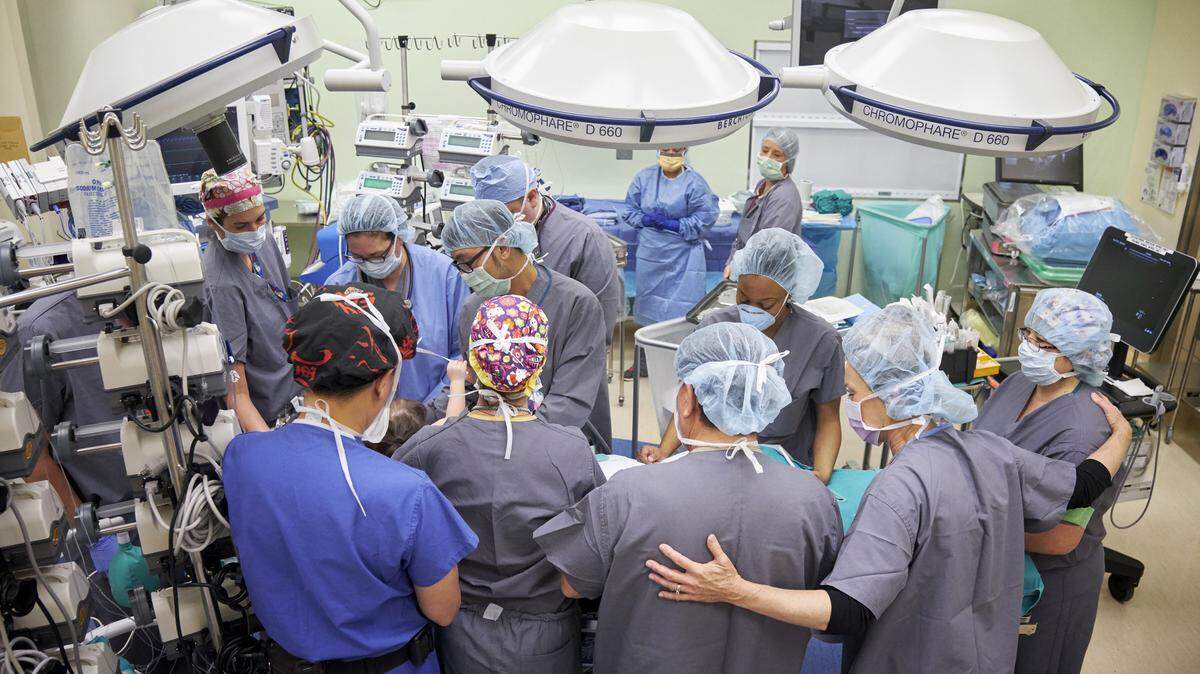
I wish California children were doing as well as California children’s hospitals.
Even as the Golden State is stuck with the nation’s highest child poverty rate and has struggled to fund schools, it has developed a system of children’s hospitals where kids’ needs actually come first.
California has 13 children’s hospitals — eight private not-for-profits and five within University of California medical centers. Collectively, they receive more than two million visits from children a year. In these hospitals, you can see California’s ability to be generous to a fault.
Children’s hospitals are a rare place where California’s rich and poor mix; the surgeon who operated on TV comedian Jimmy Kimmel’s son also performs surgery on kids on Medi-Cal. Nearly two-thirds of patients are eligible for Medi-Cal, California’s Medicaid program, compared to about one-third of patients in community hospitals.
While children’s hospitals lose money on Medi-Cal patients, they compensate by being aggressive with commercial insurers and building powerful fundraising operations. And like other interest groups, children’s hospitals have won taxpayer dollars through the ballot.
In November, California voters are all but certain to approve Proposition 4, a $1.5 billion bond issue that is the third general obligation bond for children’s hospitals in the past 14 years.
Through such support, these hospitals have become juggernauts, with large medical centers, suburban satellites,top pediatric research and training programs and well-paid executives. Their greater scale today reflects the state’s healthcare and demographics.
Even though the number of California children has stagnated, technological advances have created new avenues for care, especially for children with diseases that are difficult to treat. And with the population aging rapidly, other hospitals are handling more Medicare patients. Since Medicare reimburses at higher rates than Medicaid, it’s inefficient for traditional hospitals to accommodate the special needs of children on Medi-Cal. So today’s kids are increasingly referred to these specialized hospitals.
.JPG "Joe Mathews (1).JPG")
As a Southern California father of three, I have been redirected to Children’s Hospital Los Angeles by pediatricians, after-hours clinics and a hospital emergency room for my kids’ minor maladies — a broken finger, a toy piece stuck up a nose, a painless bit of groin swelling.
The children’s hospitals in Los Angeles and Orange counties, I’ve found, are expertly designed for juvenile happiness. My only problem with visiting an outpatient center in Arcadia was tearing my sons away from the best entertainment system they had ever seen.
These comforts, funded by private donations, reflect a growing marketplace where parents have choices. Competition also comes from lower-cost retail clinics and tele-health services. That’s healthy. So is pressure for greater scrutiny of the hospitals’ operations and quality.
You likely won’t hear all this context before the Nov. 6 vote on Proposition 4. But the measure raises an important debate. Should we help fund these vital institutions’ construction needs through general obligation bonds that are paid off in the state’s general fund?
The $1.5 billion bond would cost $2.9 billion to repay over 35 years, which cuts into money for other programs that serve children. I’d prefer a dedicated tax for children’s hospitals to avoid interest and other debt service costs. But securing that might be politically impossible. And, to the hospitals’ credit, spending on previous bonds has been responsible.
Yes, you could ask whether children’s hospitals offer too much. But the better question is why other programs for California children offer so little.