
Nearly 40% of food produced in the US is wasted. Here’s how we can get it to hungry families
One in four Californians lack sufficient nutrition. Nearly half of all families In Yolo County and more than one-third of all families in the Sacramento region don’t earn enough to meet their basic needs.
People of color have even higher rates of food insecurity, and the COVID-19 crisis has left them even more vulnerable. Not only did the pandemic triple the need for food assistance, it also highlighted the inequities in California’s food system.
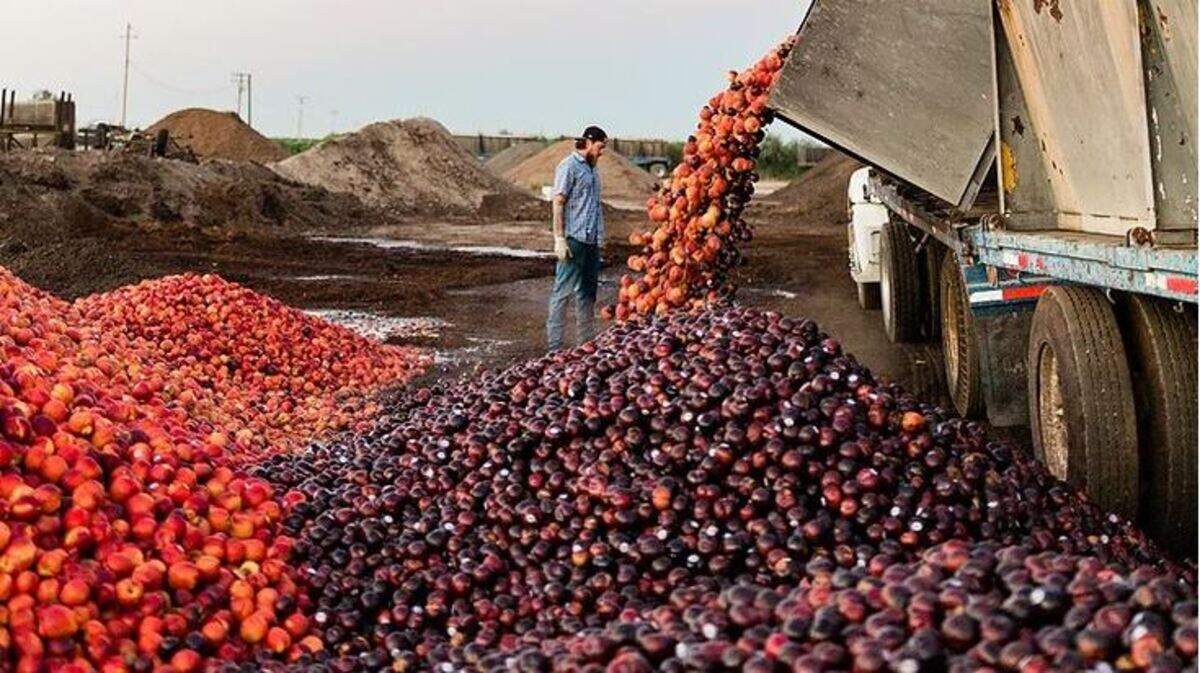
At the same time, about 2.2 billion pounds of perfectly good, nutritious food is dumped in landfills every year statewide.
Forward-thinking California legislators passed Senate Bill 1383 in 2016, providing the multiple benefits of reducing waste and greenhouse gas emissions, while nourishing those most in need. Full implementation in early 2022 could help unsold food from businesses get to the people who need it most.
Almost 40% of the food produced in our country is never eaten; instead, it’s sent at consumers’ expense to rot in landfills, emitting methane, a gas 84 times more potent than carbon dioxide. In fact, food and other organics in landfills produce 20% of this climate super pollutant in California. Committing to and investing in surplus food recovery will nourish people instead of landfills, and slash methane emissions.
Wasting 40% of our food makes no sense when millions of families need it. Surplus food recovery programs, such as Yolo Food Bank’s, create sustainable systems to collect unsold food from grocers and other large-scale food businesses and distribute it to struggling families.
Starting Jan. 1, SB 1383 mandates that cities and counties implement and fund programs to ensure that grocers and other large food businesses donate surplus, edible food to food recovery organizations. Yolo Food Bank is working with local officials in Yolo County to maximize this edible food recovery, yet success isn’t assured.
The new law is the best hope in decades of building an equitable, sustainable local food system to feed the people most in need throughout the state. CalRecycle has been a steady advocate over the past five years for the potential of SB 1383 to elevate both food security and climate outcomes. By administering a grants program to build food waste prevention and rescue infrastructure, CalRecycle has ensured that food for more than 115 million meals reached Californians in need thanks to $24 million in food rescue grants statewide, funding 76 projects preventing greenhouse gas emissions. This is equal to removing 21,000 cars from roads each year.
Yolo Food Bank was awarded two CalRecycle grants in the past two years. In 2019, a $500,000 award funded equipment, software and vehicles for our new food recovery warehouse and operations facility, quadrupling our intake and distribution of surplus food to Yolo County’s most vulnerable. This investment, along with substantial private donations, helped the food bank rescue food for more than 8.3 million meals to residents without enough to eat in 2020.
Nearly 70% of this food was donated by major grocers, food distributors and processors throughout Yolo County. The other $300,000 grant will rescue enough food for an additional 1.5 million meals still needlessly thrown in the Yolo County Central Landfill.
Just six months before the launch of massive mandatory surplus food donations from large food businesses, many food recovery organizations are poised to save both people and the planet from poor outcomes thanks to the foresight of SB 1383 and investments by CalRecycle and inspired private donors.
What’s needed now is the political will and commitment to social and climate justice by local and state jurisdictions to invest in the critical infrastructure and programs to ensure that surplus edible food in California provides the nutrition that everyone deserve.