
Police killed our brother. California must expand victim services to families like ours
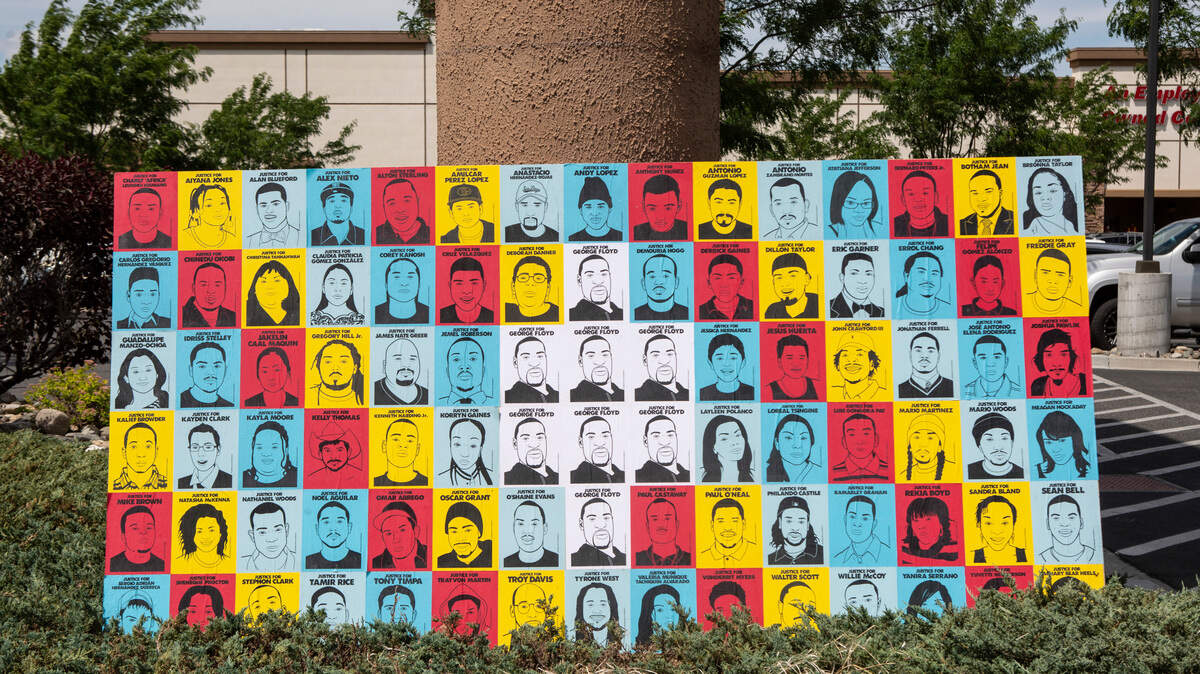
Losing someone you love to violence is an unimaginable pain that ripples through every part of your life. When that loss comes at the hands of a police officer, someone tasked with keeping your community safe, it’s also stigmatizing and destabilizing.
And yet, survivors of police violence and their families are often prevented from accessing the same support that the state of California offers to other victims of crime and violence — services that would cover burial costs, medical expenses, lost income and therapy. Services that allow families to heal.
State Sen. Connie Leyva of Chino has introduced legislation to improve access to vital resources for victims of police violence in their recovery, or to allow their families to be able to seek help and bury their loved ones with dignity and respect. Passing her bill, Senate Bill 299, would provide essential assistance to people in dire need and expand access to the kind of healing that would make all Californians safer.
We know about the need for this bill from bitter personal experience. Last summer, our brother Sean Monterrosa was shot and killed by an undercover police officer from the back seat of an unmarked police pickup truck. He was only 22 years old at the time, and working as a carpenter. The officer claimed that the hammer in Sean’s pocket looked like a gun.
In situations like these — when facts contradict an inherent sense of right and wrong — you may find yourself asking what the victim did to invite this outcome. Somehow, we have all been conditioned to readily deny the basic humanity of people who come into contact with law enforcement. But Sean, like so many others, did nothing that could justify taking his life.
In this situation, the real question to ask is: How could someone who had already fired his weapon at people three times over five years — shooting 18 bullets on one occasion — still be entrusted to serve and protect? In what kind of world could this person be counted on to advance public safety? And why are our pleas for support in the face of such violence being denied?
Our parents immigrated here to give us the “American Dream,” only to be met with American terror — losing a loved one to police violence. We no longer have our brother. We cannot speak with him or laugh with him. Our mother will never serve him another meal. Our father will never hold Sean’s children on his lap.
Instead, there is now, in Sean’s place, an aching void of grief and anger. To its credit, California offers services to victims of many kinds of crime and violence. Survivors of domestic violence, for example, may receive support to move to a new, safer home. Family members of civilian homicides, similarly, may get financial support to cover burial expenses, or assistance accessing mental health counseling.
However, because Sean’s killer had a badge, our families qualifies for none of these services. Even though the sight of a Vallejo police car now terrifies us, we cannot afford to move someplace else. Sean was a provider in our family, and our parents are working seven days a week, even through their grief, just to stay afloat. To see Sean buried, we had to turn to GoFundMe. And because no one lives in isolation, our pain is also our neighbors’ pain.
Nothing will bring Sean back to us. But if SB 299 had already been law, our parents would have been able to take time off from work to mourn him and plan his funeral. We, his sisters, could have accessed counseling to help us process our grief. And we would have been acknowledged as victims and received the support and compassion we deserve.
Earlier this year, Crime Survivors for Safety and Justice issued a California Victims Agenda to give lawmakers a better understanding of the needs of crime victims — especially those from low-income communities and communities of color, who are more likely to need victim services yet less likely to access them. One of its top recommendations is to end discrimination against certain kinds of victims. Everyone who has been traumatized by crime or violence should be able to access healing — even when the harm is caused by police.
Senator Leyva understands that communities that can heal are communities that are safe. We deserve California’s support, and her compassionate, courageous legislation, SB 299, deserves full support.