
Electric scooters are cluttering Sacramento. Here’s how the City Council can help
On a recent Saturday, I met colleagues for dinner on a K Street patio near my office. Downtown businesses have struggled to find their “new normal” during COVID-19, so I was surprised to see packed restaurants and bars from DoCo to the Convention Center.
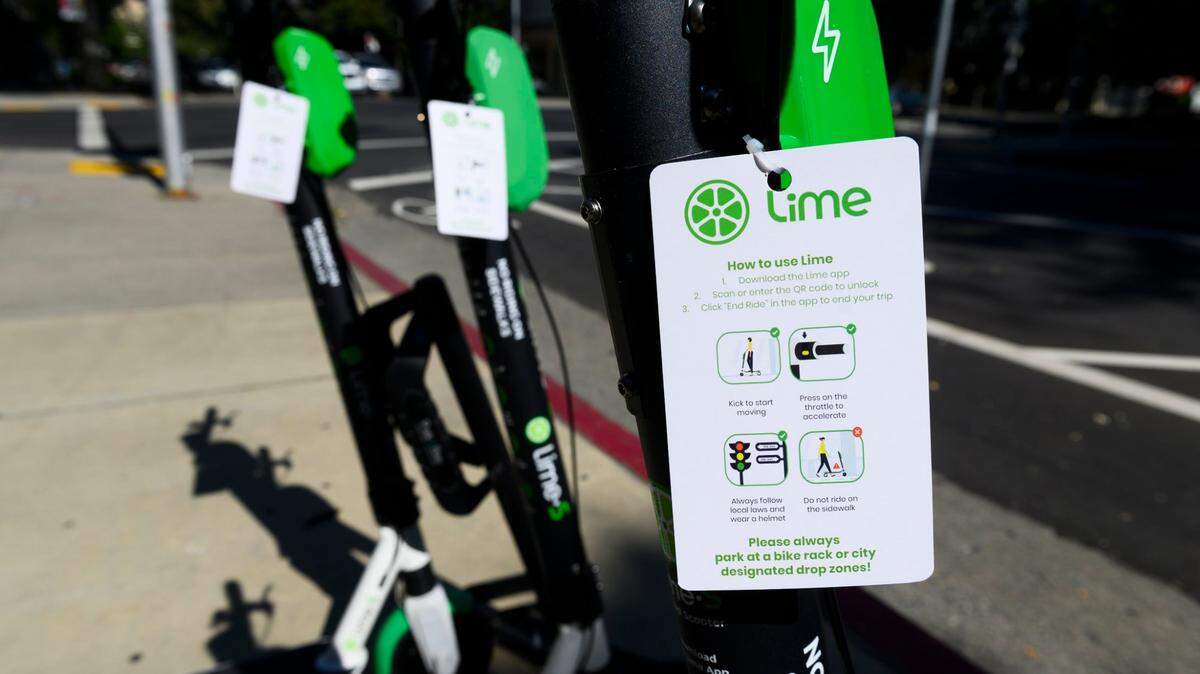
While eating, we watched dozens of electric scooters zip back and forth through a street closed to car traffic. Some scooters moved shockingly fast, while others were abandoned in walkways and sidewalks.
This scene is not unique to Sacramento. As so-called micro-mobility options flood cities, a familiar story has emerged: First, electric “rideables” of every kind appear on popular street corners, sidewalks and parks — sometimes with the permission of cities, often without. Met with excitement by many and hostility by others, rideables represent a line of demarcation in downtown neighborhoods from Santa Monica to Paris.
As ridership increases, so does community impact. Riders young and old zip among pedestrians on sidewalks. Some discard devices across cityscapes, where they obstruct public rights-of-way. Other devices find their way into even more precarious locations — sunk to river bottoms, hurled from freeway overpasses or even set aflame and buried at sea like a Viking chieftain drifting off to Valhalla.
All the while, operators continue to over-deploy devices with a singular focus on increasing market share, and with little incentive to respond to community concerns about safety, accessibility and fleet distribution.
In response, local governments scramble to act. Some have taken drastic action and banned shared rideables entirely. Others have enacted piecemeal regulations.
We now find ourselves at a crossroads. Down one path lies a future in which pedestrians, cyclists, drivers, riders and businesses coexist safely, where shared rideables are viewed favorably as a sustainable alternative to short-distance commutes. Down the other lies a future that looks a lot like what we have today: mayhem.
Last month, the mayor and Sacramento City Council took an important step in adopting updated regulations for scooter operators. The council directed staff to explore how a competitive bidding process to limit the number of operators could maximize public benefits.
Increasingly, cities are thinking creatively about how to create systems that incentivize accountability, good neighbor partnerships and positive community-wide experiences. Those experiencing the most success have avoided an unregulated race-to-the-bottom environment and instead made a commonsense decision to limit the number of citywide operators while holding them to high standards of quality and service.
For example, Chicago reduced its number of operators from 10 to three. This forced companies to comply with new rules and increased performance standards in exchange for the coveted permission to be one of the transportation options allowed within the city. After limiting operators and implementing scooter locking requirements, Chicago saw a 75% drop in complaints related to electronic scooters.
Many cities have made similar policy changes, including Santa Monica, Salt Lake City, Seattle, Atlanta and Nashville.
In a limited operator environment, municipalities have the control to encourage innovation that deters bad behavior, increases parking infrastructure and expands meaningful outreach and discounted service to low-income communities. Bad actors also become easier to discern, leading to a better overall experience for residents.
The City Council can leverage its power to ensure safe, equitable and accessible micro-mobility options. It can establish safety rules such as sidewalk detection systems, DUI prevention technologies, speedometers and maintenance standards. It can ensure equity by requiring service in systematically underserved communities and subsidizing rates for low-income residents. Finally, it can demand accessibility by setting high standards and meaningful enforcement around fleet deployment and management.
Sacramento leaders can and should limit permits to reward operators who are willing to provide a diverse array of safe transportation options throughout the city.