
The medical community has done all it can to prevent COVID deaths. The last step is on you
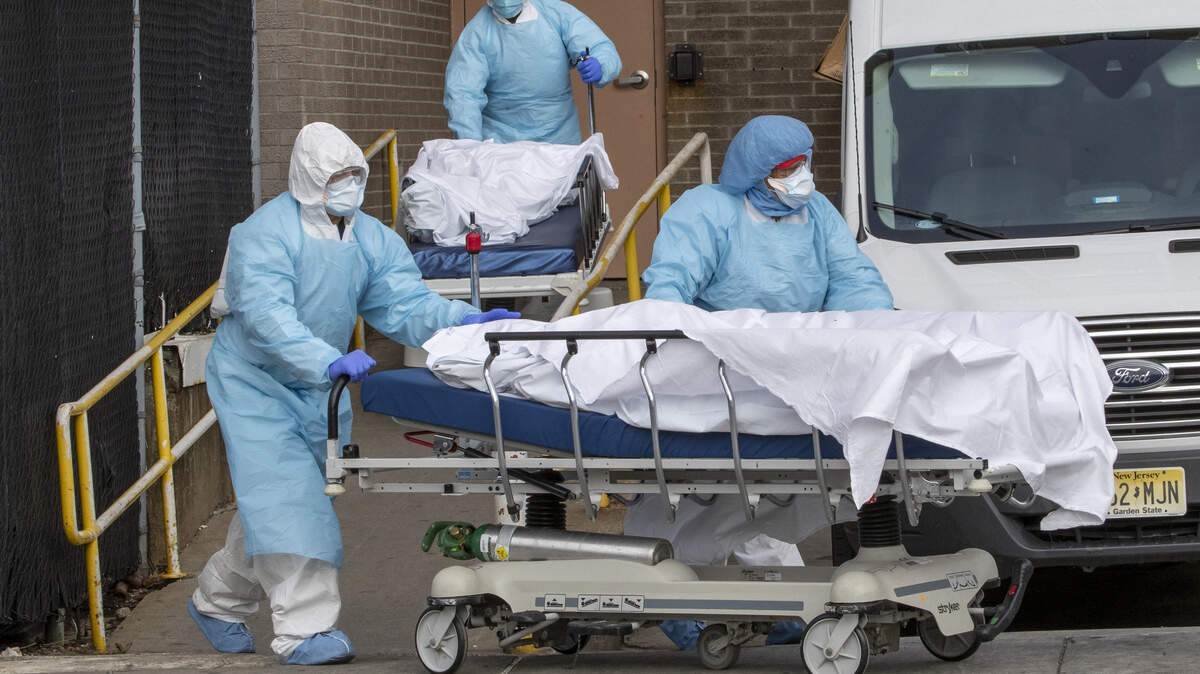
We started out as heroes.
Billboards, commercials and nightly city-wide synchronized applause. Images of us in our PPE flooded social media and landed above the fold of every major newspaper. We were the front line. An army dedicated to protect you. We were recognized as martyrs in a way that made many of us feel a confusing combination of flattered-yet-perturbed.
Somewhere along the way the applause faded, and we became the people who had “signed up for this.”
You were tired, and we were, too. Businesses were shuttered and livelihoods were in peril. Kids were depressed and distance learning. Months and months of face shields, respirators, gowns, gloves, fear, death and even more death sent some of us to the brink, or beyond.
Before a vaccine for this nightmare was unearthed we begged you stick it out with us, keep up social distancing, avoid holiday gathering. Some of you heeded our call. Others did not. Your droplets mingled in closed spaces and hospitals overflowed. Many of your friends and loved ones died. Some of us died, too.
It’s a trauma we share.
Then, vaccines. An elegant, scientific, evidence-based and miraculous feat of human ingenuity. It brought hope and relief. We were the first ones in line. We trusted the trials and were desperate for protection. We rolled up our sleeves, posted our selfies and demystified it for you.
Many of you followed suit. To date, about 179 million eligible Americans are fully vaccinated against COVID-19. An additional 30 million of you have received at least one dose. From the bottom of our hearts, thank you.
That leaves 27.7% percent of you: Not counting rare medical exceptions, the eligible yet unvaccinated.
Your skepticism and apathy haunt us. Your misled cries against tyranny leave most of us feeling abandoned and betrayed.
No, we are not heroes. No, we did not sign up for this. We are human beings who are inextricably linked to you by virtue of an oath we took to protect you and your children. It’s our job and purpose to want you to be healthy.
The medical community has done all it can to prevent pandemic deaths and return life to normalcy. The last step is in your hands. My colleagues and I have protected our patients for a year and half. Now, we see every death from COVID-19 as preventable and tragic, made even heavier by the remorse of those left behind. We know it could have been different.
To the very best of our knowledge — our combined years of training, discovering and testing — these vaccines are safe, impressively effective at preventing severe disease and death and our ticket out of hell. We are asking you to trust us and our expertise, just as you would if and when you wind up in our hospital someday due to COVID-19 or something else.
You are the parents, cousins and friends of my patients — children who, at first, slowly trickled in. Now, with a new and more contagious variant of the virus, children have come to me hand over fist with acute COVID pneumonia, some sick at home and some hospitalized. Some recovering quickly, others with lasting damage that we’re only just beginning to understand.
Children — the youngest of whom are not yet eligible for the COVID-19 vaccine — currently make up 18% of active infections. We can protect them only by reducing community transmission. That means (among other things) getting vaccinated.
You should ask your doctor or your child’s doctor whether they recommend the COVID-19 vaccine. The answer will be yes. Then ask them why. The answer will be what it’s always been: Because we want to help people, and this is how we do that.