
California to close two prisons over the next year, but it’s not enough
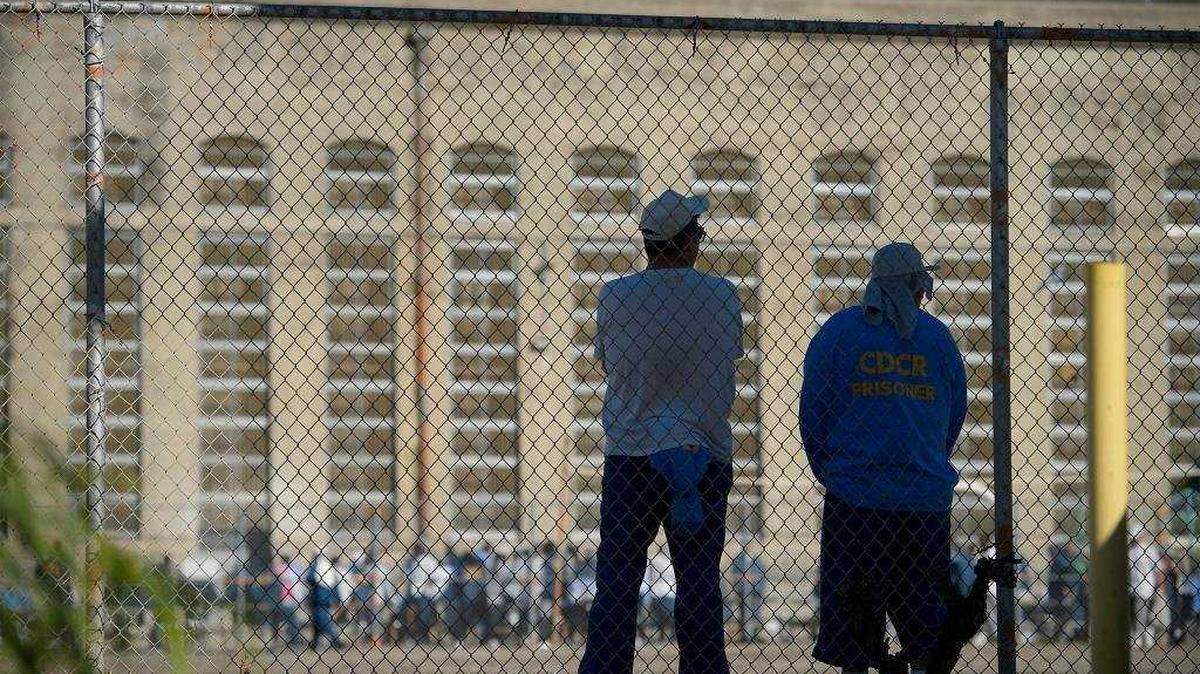
For the first time in decades, thanks to reforms enacted by voters and policies adopted by state leaders during the pandemic, California’s prison population has dropped below 100,000.
Meanwhile, most crime statewide remains well below historical peaks. California voters remain in favor of criminal justice reforms even as the destabilization of COVID across communities has been tied to an increase in homicides nationwide.
The lesson for California policymakers is clear: High incarceration rates are not necessary to make neighborhoods and communities safer. Given the extreme opportunity costs that accompany prison spending, state leaders should explore ways to safely shutter more prisons beyond the two currently authorized for closure.
California spends roughly $12 billion annually to support 34 state-owned prisons. Many of these facilities are decades old, with decaying infrastructure that “could cost billions of dollars to fully address,” according to the Legislative Analyst’s Office.
The costs of California’s continued overreliance on incarceration extend beyond the obvious price tag. Prisons and jails have been shown to destabilize families and communities and spread disease, including COVID, even as they fail at the fundamental job of interrupting cycles of crime and violence.
A lack of robust treatment alternatives for people with mental health conditions means many become incarcerated, even though jails and prisons are highly inappropriate places to house and treat people with mental illness.
Jail and prison systems are also deeply unfair, disproportionately affecting people of color. A California Budget & Policy Center report found that Black women made up more than one-quarter of women incarcerated by the state — more than four times their share of the female population. Native American women’s share of the incarcerated population was nearly five times their share of the population. Black men, similarly, made up more than one-quarter of those incarcerated, nearly five times their share of all California men.
With careful planning, however, we can immediately and safely reduce incarceration, to the benefit of all Californians.
As a first step, we can reform California’s parole process. More than half those incarcerated will go through parole review to assess their suitability for release. California’s parole board is extremely stingy when it comes to releases: In 2020, the “grant rate” was among the lowest in the nation, just 16%. By adopting the Committee on Revision of the Penal Code’s recommendations, including clarifying the “vague and internally inconsistent” rules governing release standards, California could see far more people safely paroled.
California can also take steps to end extreme prison sentences by establishing a limit on maximum sentences, discontinuing sentence “enhancements” that make already long sentences even longer, automatically reviewing all sentences after someone has served 15 years and dismantling the Three Strikes law. Some of these options would require a super-majority vote of the legislature or voter approval.
Extreme sentences provide “no public safety value” in the outer years, soak up precious public resources and disproportionately hurt people of color.
The Legislative Analyst’s Office estimates that California could close five state prisons over the next several years. This would significantly reduce the fixed costs of the prison system and generate additional state savings of around $1 billion annually. That revenue could help people make the transition back to their communities more successfully and boost services to support survivors of crime, reduce poverty, increase housing stability, address substance use and mental health issues, and enhance the safety and well-being of our communities.
These dollars could also help rural communities that depend on prisons for jobs shift to more humane economic development that doesn’t rely on mass incarceration. California officials should identify at least three additional state prisons that can be shut down in the coming years.
State leaders can meaningfully scale back California’s prison infrastructure and create a more fair and equitable justice system that truly advances public safety for all Californians.